
Weed Myths Your Friends Say With Way Too Much Confidence

Trap Snap LA editorial • Culture & Fun • 6 min read
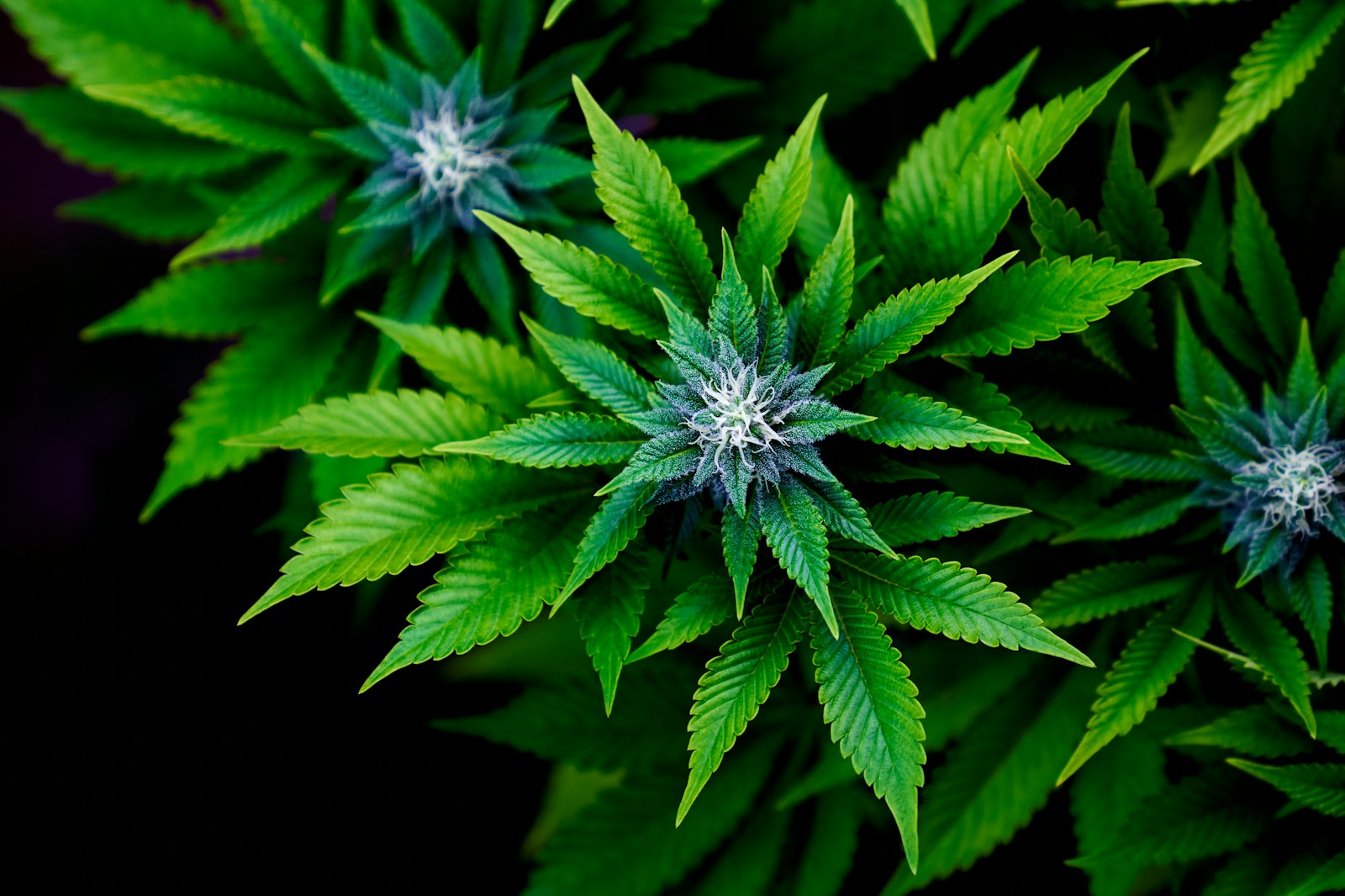
Cover photo: Alisher Sherali / Unsplash.
Every friend group has somebody who can explain weed with absolute confidence and zero open tabs. Purple means stronger. The name tells you exactly what it is. All the smell comes from terpenes. Apparently the whole plant is very simple if you say everything loudly enough.
Some of these claims contain a useful clue. The trouble starts when the clue becomes a guarantee. Cannabis myths often survive because the short version is easy to remember and the accurate version needs one extra sentence.
Here are six quick rounds. Read the claim, make your guess, then open the reveal. Give yourself one point for each right answer. If a claim sounds familiar because you have said it yourself, you are in the right place.
Weed strain label myths: names, indica, and sativa
Claim: the same strain name always means the exact same genetics
True or false? Tap for the reveal
False as an absolute rule. A 2015 genetic study concluded that a cannabis sample’s genetic identity could not be reliably inferred from its name or reported ancestry alone.
The useful distinction is between a name and a documented identity. Calling two things the same name is not evidence that somebody compared them genetically. On the other hand, the name being imperfect does not automatically make every naming claim dishonest.
Think about a playlist called Late Night. Two people can use that title and put completely different songs inside it. The title tells you what each person wanted to communicate; the track list tells you what is actually there. That is why an identifiable source matters more than a familiar word.
Claim: indica and sativa labels capture the plant’s full chemical profile
True or false? Tap for the reveal
False. A 2021 Nature Plants study found that the commercial sativa–indica scale poorly described overall genetic and chemical variation, although some aroma-related genetic differences were associated with labeling.
This does not mean the plant has no differences. It means a broad label should not be treated like an exact inventory. Two words cannot carry the same detail as measurements and a clear record of what was tested.
The most useful response in a conversation is often, Which part are you describing? Appearance? A breeder’s label? A chemical result? People can use the same word while talking about different things, then wonder why the discussion goes nowhere.
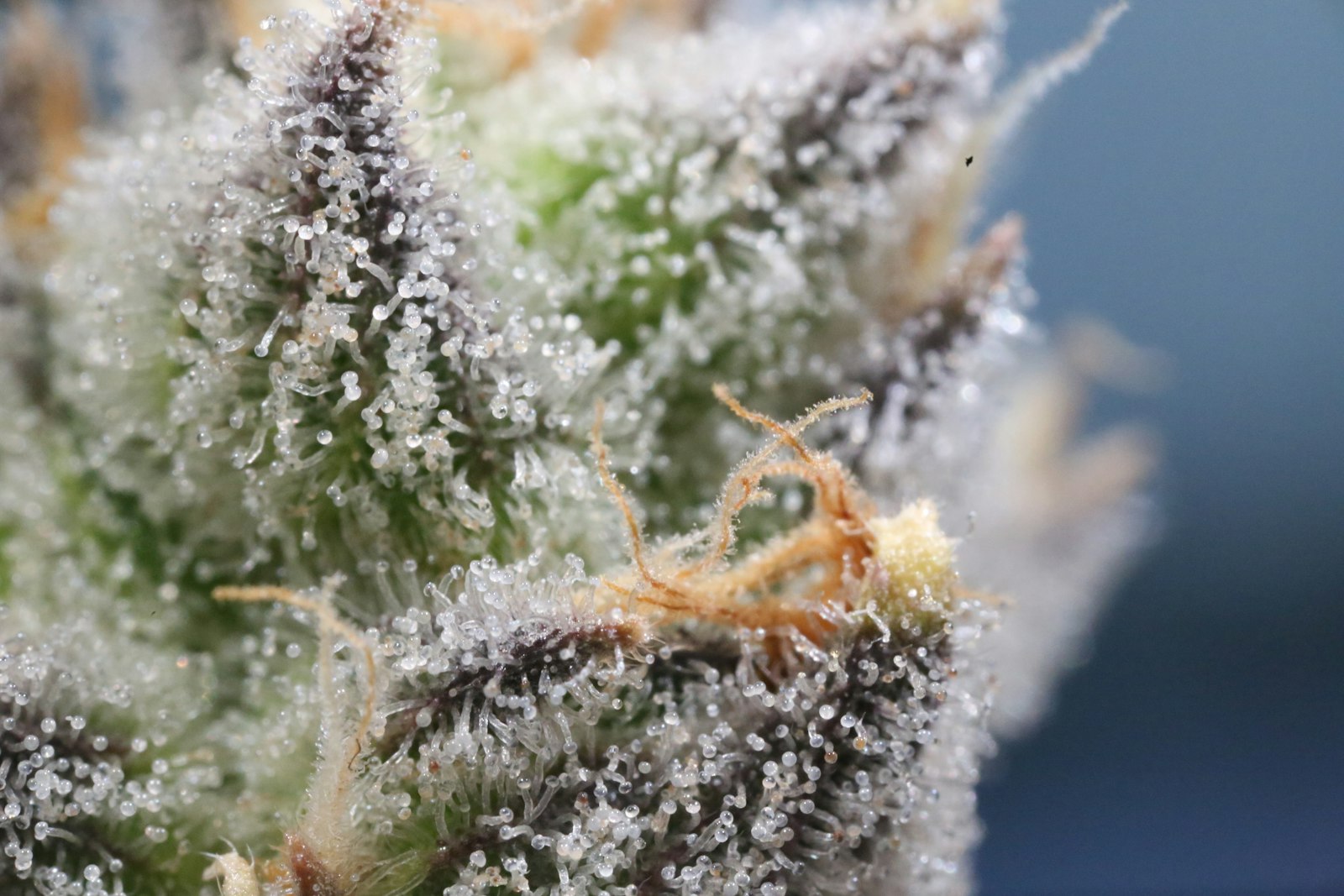
Round two: purple got promoted to a lab report
Claim: purple color, by itself, proves weed is stronger
True or false? Tap for the reveal
False. Purple pigmentation is associated with anthocyanin pigments. Color is not a measurement of the cannabinoid content of a particular sample.
A 2024 cannabis pigmentation study investigated genes and pigment accumulation behind red and purple leaf colors. That is a different question from measuring potency. The visual trait does not answer the chemistry question just because it photographs well.
This is the moment where a really good-looking picture can make everybody overconfident. Purple is striking. Striking is not a number. You can appreciate the look without assigning it a score the image never supplied.
The easy way to remember it: a color description belongs in the color lane. If somebody turns it into a precise claim about contents, ask for the actual evidence supporting that next step.
Weed flavor and smell myths: dessert names and terpenes
Claim: a dessert strain name proves somebody added dessert flavoring
True or false? Tap for the reveal
False. A food-themed name can be an aroma reference or branding. It does not, on its own, establish added ingredients.
Humboldt Seed Company’s Donutz description, for example, uses sweet dough and fuel references alongside documented parent names. That is a breeder description. You cannot turn a pastry word into proof of a manufacturing step it never describes.
The same mistake happens with the opposite assumption: a familiar botanical name does not prove that nothing was added either. Both conclusions need information about the specific item. A nickname is not the receipt for what went into it.
Claim: terpenes explain every part of cannabis smell
True or false? Tap for the reveal
False. Research has identified other aroma-active compounds, including volatile sulfur compounds, that can contribute to cannabis’ distinctive smells.
A 2023 study of nonterpenoid volatiles linked certain compounds with sweet, citrus, and savory aroma differences. Terpenes remain part of the picture; they are not the entire cast.
That is the interesting twist when somebody calls something gas or loud. The everyday description is responding to a complicated mixture, not reading off one ingredient. A shorter phrase works in conversation, but the short phrase does not mean the underlying chemistry is simple.
Round four: the number that picked up a rumor
Claim: 420 originally meant a police code for marijuana
True or false? Tap for the reveal
False according to the documented origin trail. The Waldos’ account links 420 to a meeting time; early letters and other artifacts support their use of the reference.
You can inspect that source trail on the Waldos’ documentation page. The historical claim is about where the cultural reference came from. It does not need a current legal-code lesson to make sense.
This is a great example of a story that sounds plausible because it feels specific. Add a number and a police scanner, and a rumor suddenly sounds official. The question is still the same: what supports the story?
Score yourself if you want, but the better prize is spotting the pattern. Every statement above takes something recognizable—a label, a color, a name, a smell, a number—and asks it to prove more than it actually proves.
That is a useful habit beyond weed talk. Keep the fun description, then check the extra claim somebody attached to it. You can say the photo looks incredible, the name is funny, or the smell description is memorable without inventing a fact to go with the reaction.
And if somebody changes their mind after checking a source, let them. Turning a casual conversation into a gotcha contest is how people stop checking anything. The goal is better information with the same relaxed energy.
Quick questions
Are cannabis strain names completely meaningless?
No. A name can communicate lineage claims, aroma descriptions, or cultural history. The mistake is treating the name alone as a verified genetic or chemical identification.
What is a good way to check a weed myth?
Write down the exact claim, identify what kind of evidence would support it, then open a relevant primary source. Keep visual observations separate from chemical and historical claims.
Sources worth opening
- 2015 research: cannabis genetic structure and names
- 2021 research: sativa–indica commercial labeling
- 2024 research: anthocyanins and cannabis pigmentation
- Humboldt Seed Company: Donutz description
- 2023 research: aroma compounds beyond terpenes
- The Waldos: the early 420 artifacts
More questions about weed myths and health facts
Can weed be addictive?
Yes. CDC states that some people develop cannabis use disorder, which can include failed attempts to quit or giving up important activities. That answers the claim without assuming every person who uses cannabis has a disorder. CDC’s cannabis FAQ.
Does secondhand weed smoke contain THC?
Yes. CDC states that secondhand cannabis smoke contains THC and many of the same toxic and cancer-causing chemicals found in tobacco smoke. Being someone else’s smoke does not remove those substances. CDC’s secondhand-smoke guidance.
Can weed cause a serious bad reaction?
Yes. CDC distinguishes an unlikely fatal overdose from cannabis alone from possible severe reactions and injuries. Panic, confusion or other concerning symptoms should not be dismissed merely because cannabis came from a plant. CDC’s explanation of overdose and bad reactions.
Tags: weed addiction myth fact check; secondhand weed smoke THC facts



3 thoughts on “Weed Myths Your Friends Say With Way Too Much Confidence”