
CBD Is Just Weak THC? That Shortcut Misses the Point


Myth Check · Episode 4 of 7
Asking whether CBD is just weak THC sounds like a useful shortcut until you look at the molecules. There is a familiar compound, then a less intense version of it. Easy. Except that turns two molecules into a strength slider, and chemistry is not cooperating.
CBD is cannabidiol. THC, in this comparison, is delta-9-tetrahydrocannabinol. They are distinct compounds with different structures. CBD is not what THC becomes when somebody dilutes it.
Here is the part that sounds made up until you look at the records: both have the molecular formula C21H30O2. Same counts of carbon, hydrogen, and oxygen. Different arrangement. That is a better starting point for CBD vs THC than arguing about which one is the lighter setting.
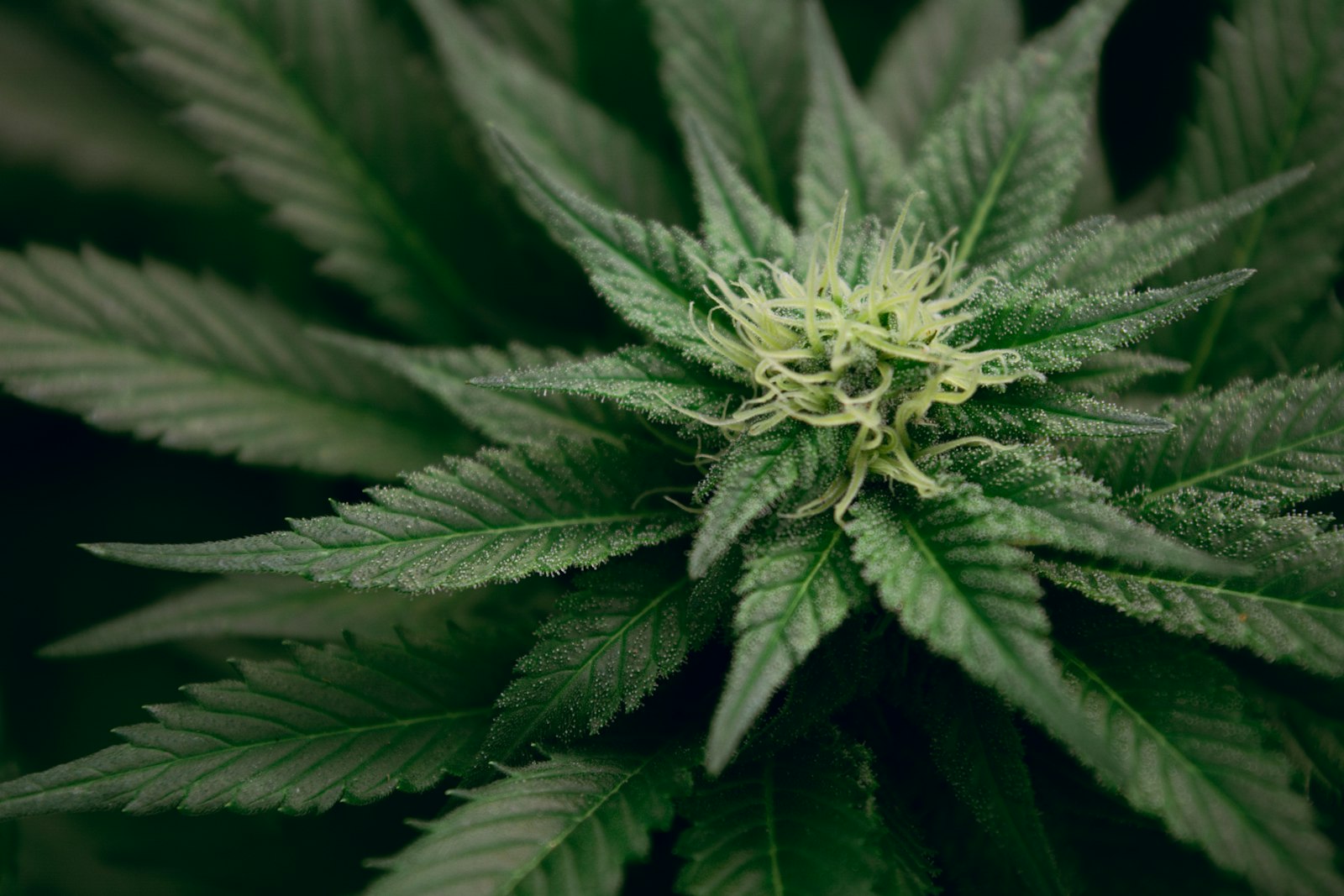
Same atom count, different construction
The National Library of Medicine’s PubChem entries for CBD and THC show separate structures despite that shared formula.
Compounds with the same molecular formula but different connections between atoms are structural isomers. A formula is an inventory; a structural drawing is a map of the connections. Knowing the inventory does not tell you the complete arrangement.
You can see the distinction in their oxygen-containing features. THC has an oxygen within a ring, while CBD’s structure contains two hydroxyl groups. The arrangement is part of the compound’s identity, not an optional detail added to the name.
So reducing the amount of THC in a mixture changes how much THC is there. It does not redraw its atoms into CBD. Amount and identity answer different questions, even when the molecules belong to the same broader cannabinoid conversation.
Same formula, different-looking pieces
CBD’s molecular structure — Open CBD’s structure picture, then switch to THC. The different arrangement is easier to see than to remember from a formula.
THC’s molecular structure — Use the two structure pictures as a side-by-side comparison. Matching ingredient counts do not force the same shape.
The plant makes related chemistry through different pathways
Cannabis chemistry contains more than the two abbreviations that get the most attention. In the plant, related biosynthetic pathways produce acidic cannabinoids such as THCA and CBDA.
A 1996 enzyme study identified cannabidiolic-acid synthase, which forms CBDA from a shared precursor called CBGA. The researchers distinguished that enzyme from the pathway associated with THCA.
That makes the relationship more like branching chemistry than a single compound getting watered down. Related precursors and similar enzyme names do not erase the difference between the resulting molecules.
If the A on those abbreviations looks familiar, it marks an acid form. The plant’s chemistry has individual compounds and transformations, not one universal ingredient hiding under every label. Our guide to cannabis plant details covers the physical structures associated with the bigger botanical picture.
Researchers do not treat the two as interchangeable
The structural difference matters when scientists study how compounds interact with biological systems. In a 2015 cell-based study, CBD behaved as a negative allosteric modulator of the CB1 receptor under the tested conditions.
That term describes modulation through an interaction distinct from the main activation site. You do not need the jargon to see the point: the researchers were examining a specific kind of interaction, not finding a smaller serving of THC.
The experiment also has boundaries. A result in a cell system does not provide a universal prediction for a person’s experience or for an unspecified commercial mixture. It supports a molecular research question within its tested setup.
That is the difference between explaining why two compounds are scientifically distinct and promising what either one will do in every setting. The first has a clear chemistry foundation. The second needs its own evidence.
A compound name is not the full description of a mixture
People also switch between talking about CBD as a molecule and CBD as a label on something containing multiple ingredients. Those meanings can blur together fast.
Identifying one compound in a mixture does not establish that it is the only compound present. Neither the letters CBD nor the letters THC, standing alone, describe every component, its amount, or the sample’s origin.
Our cannabis packaging story explains why the biggest word on a design is not always the fullest description. Here, the design issue meets the chemistry issue: an acronym can be correct and still incomplete.
This also helps separate words such as hemp, seed oil, and cannabidiol. A plant category, a material from one plant part, and an individual compound are different types of information. The same green leaf graphic can appear beside all three without making them synonyms.
Three questions that keep the comparison clear
Which molecule? A compound’s name and structure establish identity. CBD and delta-9-THC have separate identities.
How much? A measured quantity describes an amount of a named compound. Changing that amount is not the same as changing the compound’s identity.
In what setting? A chemical record, a cell experiment, and a commercial label provide different kinds of evidence. Each answers a different question.
Those distinctions help with the shortcuts in our weed myths guide too. A simple comparison becomes misleading when it silently swaps from identity to amount to experience.
The molecular drawings are the interesting reveal here. Two compounds can share every atom count written in the formula and still have different connections. CBD is its own molecule. It does not need to be described as THC with the volume turned down.
Sources
- PubChem: Cannabidiol
- PubChem: Tetrahydrocannabinol
- Taura et al., 1996: Purification and characterization of cannabidiolic-acid synthase
- Laprairie et al., 2015: Cannabidiol is a negative allosteric modulator of CB1
Series cover: original AI-assisted editorial illustration for Trap Snap LA. Photographs carry their own credits.
More questions about CBD and THC differences
Is CBD the same as hemp seed oil?
No. CBD names a cannabinoid; hemp seed oil names an oil derived from seeds. FDA explains that seeds do not naturally contain THC or CBD, though trace contamination can occur during processing. FDA’s hemp-seed ingredient explanation.
Are all CBD products FDA approved?
No. FDA identifies Epidiolex as an approved prescription CBD medicine for specific seizure disorders. That approval applies to that medicine and its indicated uses, not every retail product labeled CBD. FDA’s approval FAQ.
Can CBD interact with prescription medicine?
Yes. FDA warns that CBD can change the effects of other medicines and other medicines can affect CBD. Discuss a CBD product with a clinician or pharmacist who can review the actual ingredients and your medicines. FDA’s consumer safety update.
Can CBD affect the liver?
Yes. FDA identifies liver injury as a CBD safety risk. A different molecular identity does not mean a compound is free of side effects, and a label’s reassuring wording does not replace medical assessment. FDA’s liver-risk discussion.
Tags: CBD and THC molecular differences, CBD safety and prescription drug facts


