
Guess the Cannabis Close-Up: Tiny Details You Usually Miss

Trap Snap LA editorial • Culture & Fun • 6 min read
Cover photo: XRP Relic / Unsplash.
Zoom in far enough and a familiar plant starts looking like something from another planet. Tiny structures with round heads. Thin threads sticking out of flowers. Leaves that look simple until you notice the smaller parts.
This cannabis plant anatomy game is about noticing those details. No strain guessing from a blurry picture, no imaginary THC score, and no pretending every shiny thing means the same thing.
Use the clues below, make a guess, then open each reveal. You do not need a microscope to follow along. The useful part is learning what a feature actually is before assigning a whole story to it.
Round one: the tiny lollipop-looking structures
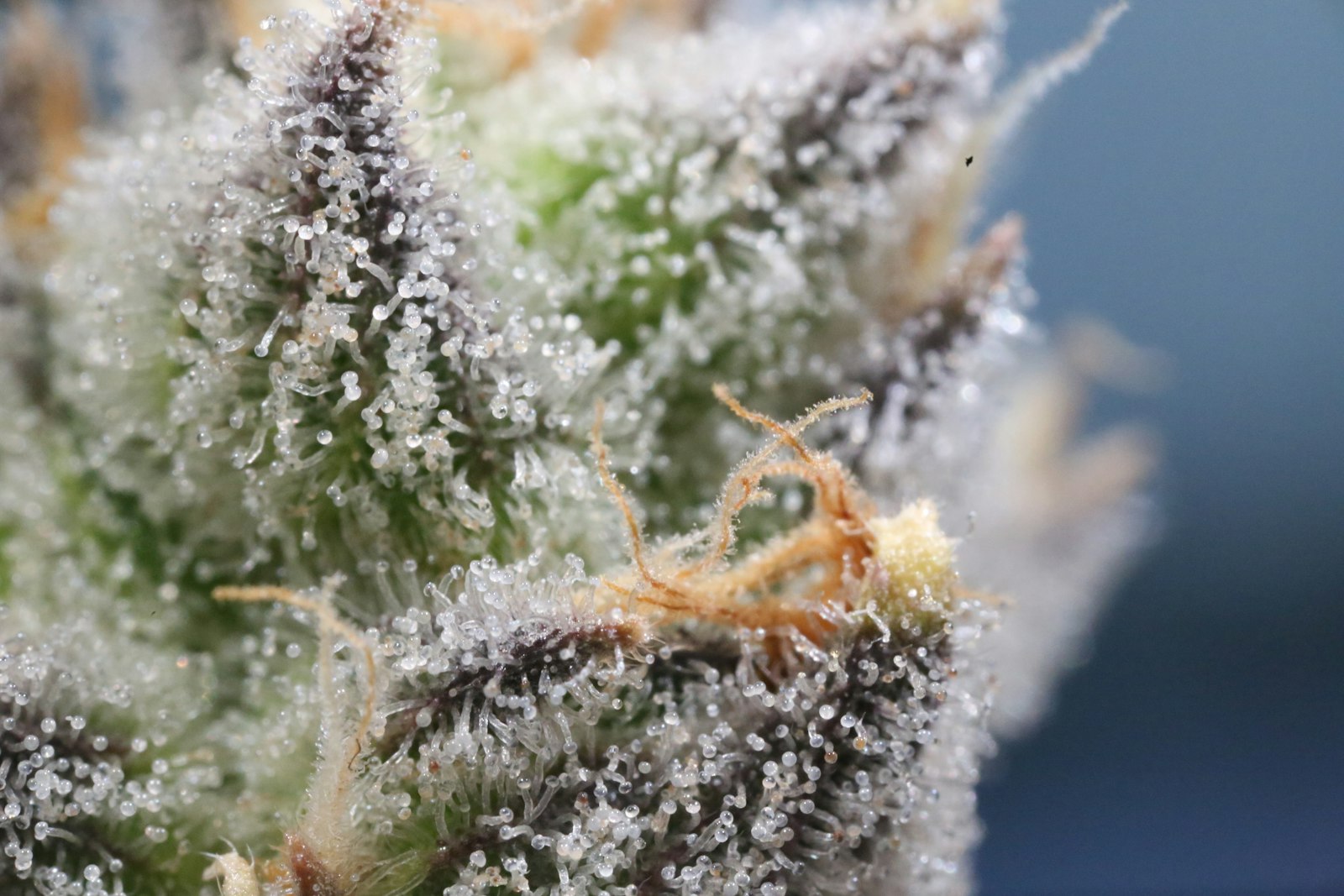
Here is the clue: a very small structure has a rounded head sitting above the plant surface on a narrow stalk. Up close, it can look less like “frost” and more like a miniature glass lollipop.
Is it a seed, a glandular trichome, or a pollen-catching thread? Take your pick before opening the answer.
Reveal the first plant detail
A stalked glandular trichome. The name describes its shape: a glandular head supported by a stalk. Cannabis also has other trichome forms. A 2023 microscopy study documented differences among these structures and how their appearance varied between the two plant genotypes examined.
The photograph gives you a shape to identify. It does not give you a measured chemical percentage.
The word trichome gets used like all the tiny surface structures are identical. They are not. Once you notice the head-and-stalk pattern, that vague “sparkly stuff” description starts feeling a little incomplete.
It is also fine if you guessed wrong. The whole point of a close-up is that your usual reference disappears. Without scale, a tiny plant surface can look like a forest.
Round two: the threads people casually call hairs
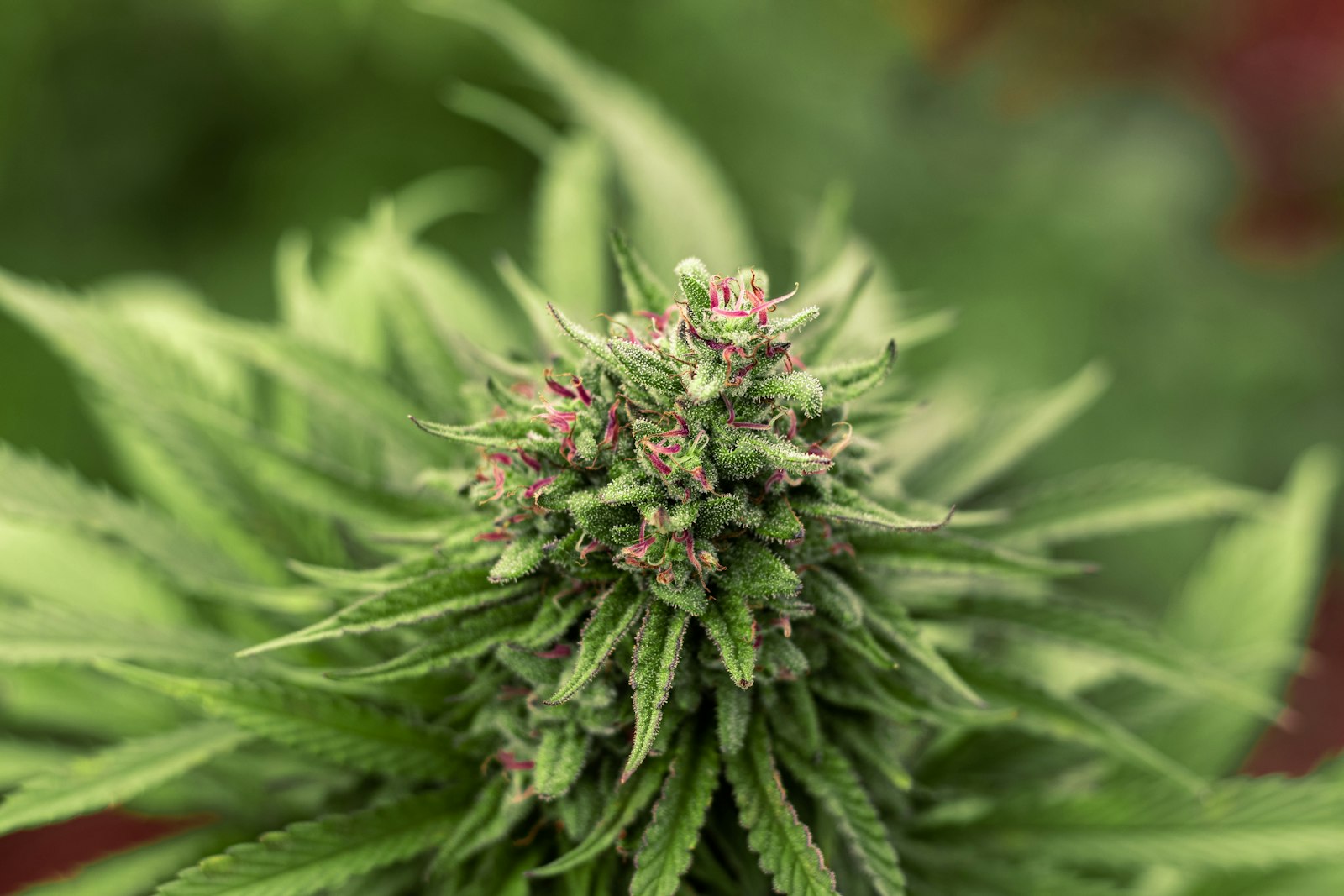
Next clue: slender threads protrude from the female flower. In familiar flower photographs, these can be pale, orange, or brownish. They look different from the round-headed structures in round one.
Are these the same things as trichomes, parts of the reproductive structure, or tiny roots growing above ground?
Reveal the second plant detail
The visible structures are stigmas associated with the female flower’s pistil. The University of Nevada, Reno’s anatomy guide explains that stigmas extend beyond the bract to catch pollen. Calling them “pistils” is common shorthand, but stigma is the more specific name for the visible pollen-receiving part.
They are different structures with a different job from glandular trichomes.
This distinction is worth knowing because two people can point at the same picture and discuss two entirely different things. One person means the long threads. The other means the tiny dots coating the surface. Both say “hairs,” and the conversation goes nowhere.
You do not have to correct everybody mid-sentence. But having the actual names makes descriptions clearer. It is the plant equivalent of knowing the difference between a wheel and a tire.
Round three: one leaf, several familiar-looking pieces
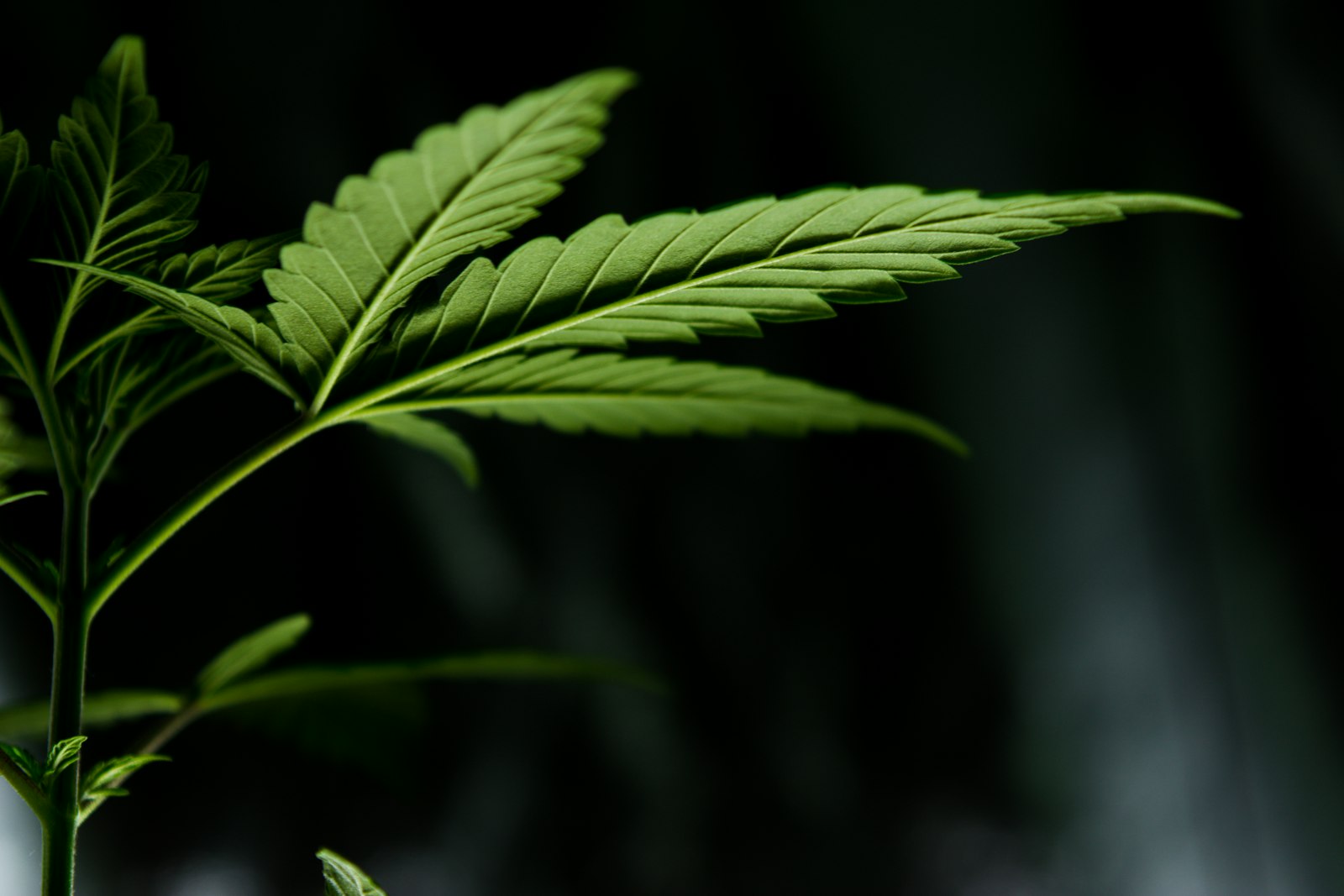
Now think about the classic cannabis-leaf silhouette. Several narrow sections spread out from a shared point. Each section has its own edges and veins.
Are those sections separate flowers, leaflets of a compound leaf, or a collection of identical individual plants?
Reveal the third plant detail
Leaflets of a compound leaf. The Canadian Food Inspection Agency’s botanical document describes the plant’s leaf structure. The familiar spread-out arrangement is called palmate. The number and appearance of leaflets can vary, so a logo is not a universal botanical rule.
A silhouette is built to be recognized fast. An actual plant does not have to cooperate with the exact shape on a sticker. That is why a real leaf photo is a better place to learn anatomy than a brand mark.
Try describing the outline without saying “you know, the weed shape.” The veins, edges, leaflet arrangement, and point where the sections meet give you a much more useful description.
The bonus detail: a bud is a crowded little neighborhood
People usually talk about a bud like it is one simple object. In botanical terms, the flower cluster contains multiple small structures packed together. UC Davis’s hemp anatomy guide illustrates flowers, bracts, and reduced leaves within that arrangement.
That is why two close-ups can look completely different even when they show different parts of the same plant. A picture of a broad leaf, a flower cluster, and a small bract should not be treated like interchangeable evidence.
A Plant Journal study of glandular trichomes also examined how trichome morphology and metabolite content changed during flower maturation. The useful lesson here is variation, not a photo-based formula for judging chemistry.
If you got all three rounds, nice. If the stigma one caught you, that is probably the most useful mix-up to clear up. Once the names click, real macro photography becomes more interesting because you know what you are looking at.
What a close-up can tell you, and what still needs evidence
A clear, honest photograph can help identify visible structures. It can show shape, arrangement, surface texture, and the colors recorded under that lighting. Those are worthwhile observations.
It cannot replace a chemical analysis. A dramatic macro also does not confirm a strain name, where the plant came from, or whether a batch passed contaminant testing. A close-up is a visual record with a limited job.
Lighting matters to how a picture looks. So do focus, cropping, compression, and editing. If a caption claims something specific, check whether that claim comes from a record or just from the appearance of the image.
Now scroll back to the three pictures. Once you know what each feature is called, the details should stand out faster: a rounded head on a stalk, threads extending from the flower, and leaflets meeting at a shared point. Same pictures, a little more to notice.
The best way to play is to identify one feature at a time. Find the round head. Find the protruding threads. Find where the leaflets meet. A whole plant can feel complicated; one visible detail is manageable. Learning how to identify cannabis plant parts is easier when you name the structure before guessing what a whole photograph means.
Quick questions
Are orange hairs and trichomes the same thing?
No. The familiar orange or brown threads are generally stigmas. Glandular trichomes are different surface structures, some of which have rounded heads.
Can you identify a cannabis strain from one close-up?
A photograph alone is not reliable proof of a named strain. This game identifies plant structures, not a pedigree or chemical profile.
Sources and further reading
- Journal of Cannabis Research: trichome microscopy and development
- University of Nevada, Reno: anatomy of a female hemp plant
- Canadian Food Inspection Agency: botanical description of Cannabis sativa
- UC Davis: hemp reproductive plant parts
- The Plant Journal: glandular trichome morphology and metabolite content
More questions about cannabis close-up anatomy
Are all cannabis trichomes resin glands?
No. The University of Nevada, Reno anatomy guide distinguishes glandular trichomes from nonglandular hairs. Trichome names a wider category than the familiar round-headed resin gland.
What is the difference between sugar leaves and fan leaves?
The university guide calls the small leaves emerging among buds sugar leaves and the larger protruding leaves fan leaves. The sugar comparison refers to their visible trichome covering.
What does a cannabis node look like?
A node is the point where a leaf or branch attaches along a stem. The anatomy guide identifies these junctions; they are different from a separate flower or a trichome head.
Is one cannabis bud a single flower?
Usually the object casually called a bud is a cluster. UC Davis’s reproductive-parts guide describes female inflorescences as groups of densely arranged flowers. A close-up can reveal several structures within that cluster.
Can drying change the appearance of cannabis trichomes?
Yes. The 2023 microscopy research found changes associated with post-harvest handling and drying. A close-up records a condition at one point in time; its appearance does not necessarily match an earlier living specimen.
Tags: how to identify cannabis plant parts; sugar leaves vs fan leaves anatomy



5 thoughts on “Guess the Cannabis Close-Up: Tiny Details You Usually Miss”