
Internet Cannabis Claims: Put the Comments Under a Microscope

Trap Snap LA editorial • Culture & Fun • 5 min read
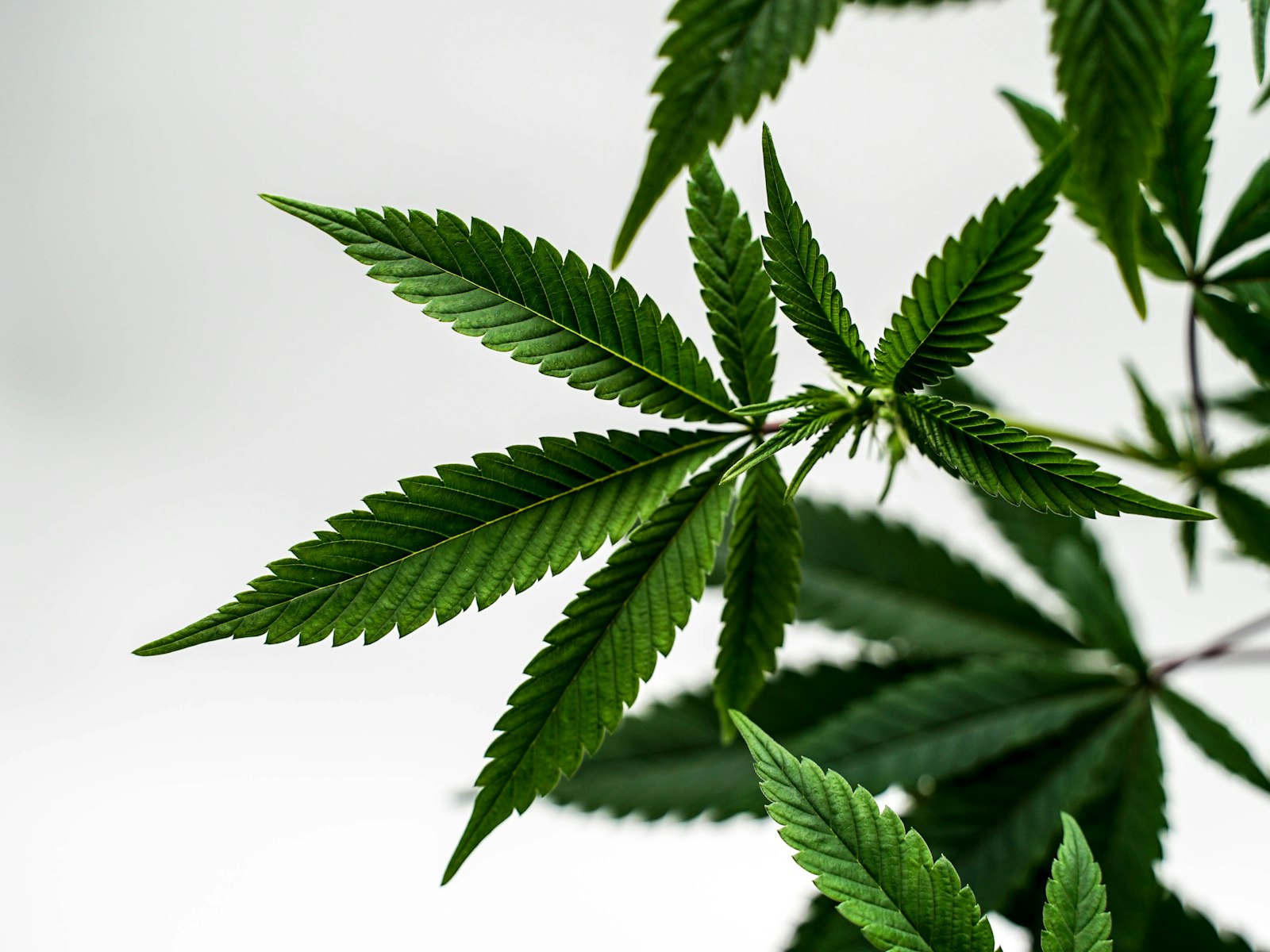
Cover photo: 2H Media / Unsplash.
One dramatic picture, one cropped report, and a caption that says scientists just proved something. The comments are already celebrating. Meanwhile, the link opens a paper from years ago about something slightly different.
Sound familiar? The interesting part of an internet cannabis claim is often the gap between the confident caption and what sits underneath it. You do not need to spend your afternoon playing detective. A few quick checks catch a surprising amount.
This is a cannabis fact check for four common online moves. The example statements below are fictional prompts written for this article. They are not quotations from real users.
Claim one: “Look at the frost. Obviously it passed testing.”
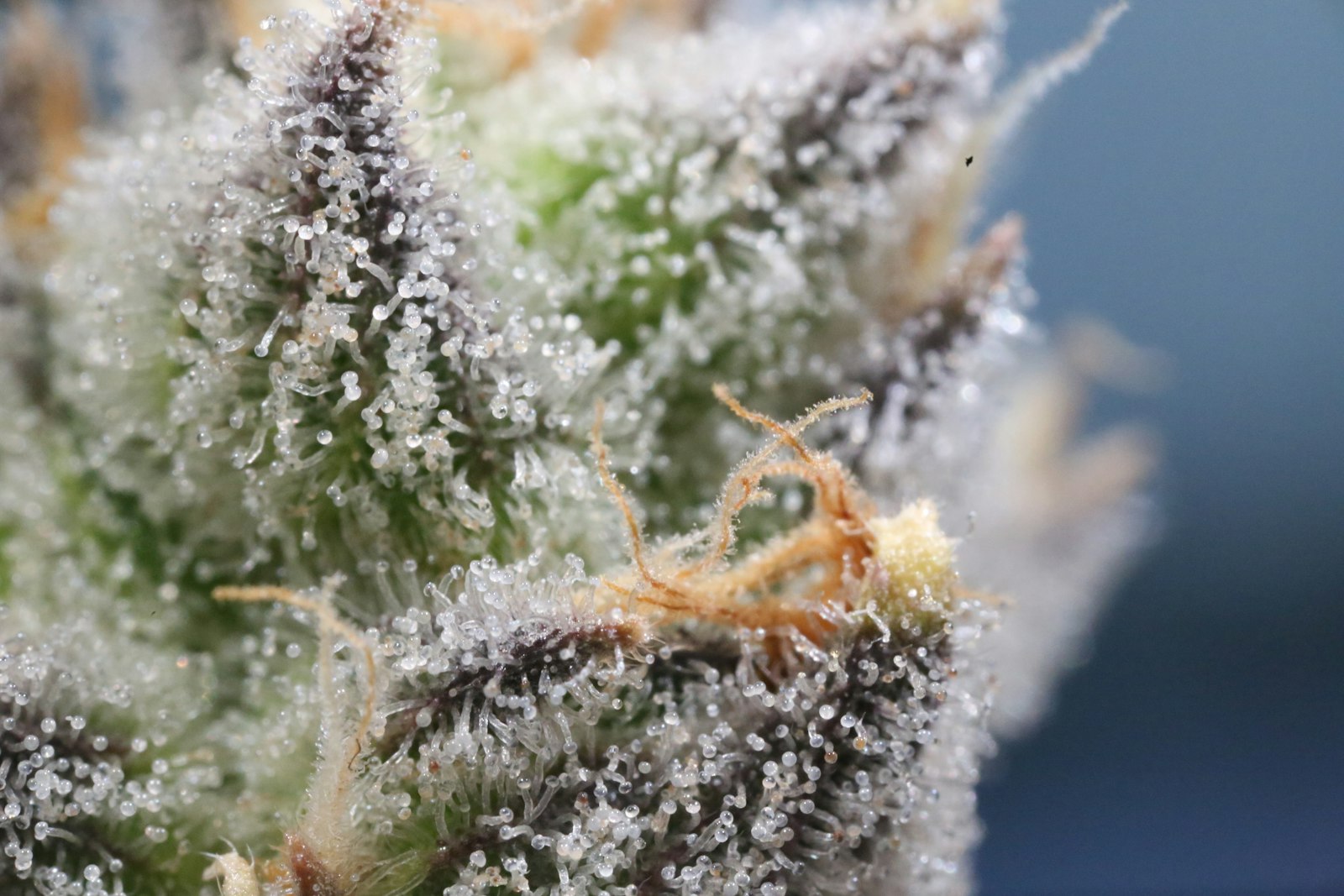
A good macro can stop the scroll. You can see tiny structures, colors, and surface detail that disappear in a distant picture. That is exactly what makes it interesting. It also makes a confident caption feel convincing before you have read it properly.
But the camera has not tested the sample. California’s Department of Cannabis Control testing guide describes laboratory checks for categories including pesticides, heavy metals, microbial impurities, mycotoxins, and residual solvents. Results are reported on a Certificate of Analysis, or COA.
Think of a photograph of a spotless kitchen. It shows you a visible scene. It does not automatically tell you what a laboratory would find on every surface. Nice appearance and analytical results are different kinds of information.
Quick verdict: enjoy the photo; do not let the caption borrow a test result from it.
Claim two: “There is a real lab report in the screenshot, so that settles it.”
A report is more substantial than somebody typing trust me. The next question is whether that report belongs to the material being discussed. A genuine document can still be the wrong document.
The California guide explains that a COA reports whether a batch passes or fails the relevant tests. That batch connection is the useful detail. Our practical check is to look for the report’s sample and batch information, its date, and the identity of the issuing laboratory, then compare them with the claim attached to it.
If the screenshot crops those details out, the missing space is where your next question lives. A logo, a green checkmark, or a nicely formatted number does not fill it in.
Imagine sending a receipt for someone else’s shoes to prove what you paid for yours. The receipt might be real. The match is still missing. Same basic problem, less interesting footwear.
Quick verdict: a real COA needs the right connection. A screenshot alone does not establish that connection.
Claim three: “Scientists just discovered this.”
Just is a tiny word that can do a ridiculous amount of work in a caption. A fresh upload makes an old finding feel new, especially if the date disappears after the first repost.
Take the research into cannabis’s skunky aroma. The ACS Omega paper identifying a family of related volatile sulfur compounds was published in 2021. It remains an interesting finding. Seeing it shared today does not move its publication date.
There are two dates to separate: when the research appeared and when the post sharing it appeared. There may also be a newer study building on the earlier work. If the caption claims a new discovery, the linked source should show you what is actually new.
Old research is not automatically bad research. It just deserves its real date. Otherwise every few months the internet gets to rediscover the same fact and act like everyone else was asleep.
Quick verdict: check the paper’s date before giving the caption breaking-news energy.
Claim four: “This study proves it works exactly the same everywhere.”
A paper can have a narrow question and a very wide internet afterlife. The researchers describe their samples; the caption suddenly describes every plant, every place, and every person.
A Journal of Cannabis Research study, for example, examined genetic consistency among samples carrying familiar commercial names. Its results concerned the sampled material. That is different from a claim about every named sample in existence.
The useful question is what the researchers actually examined. Was it a limited collection of plants? An extract? A survey? Did they measure a thing directly, or ask people what they thought? Those details tell you which question the paper can answer.
Words such as may, associated with, and in these samples keep the result connected to the evidence. If a caption quietly swaps them for always or proves, it may have upgraded the conclusion without upgrading the research.
Quick verdict: read the conclusion at the size the researchers gave it. The comment section does not get to add extra samples.
The thirty-second screenshot game
Three fictional situations. Choose the useful next move, then tap the reveal.
A new post links a 2021 paper. Which date belongs to the discovery: today or the paper’s publication?
The paper’s publication date. Today may be when you found the story. It does not automatically mark a new research result.
A cropped COA leaves out its batch details. Does the attractive layout settle the match?
No. Find the full relevant report and compare the identifying information with the claim. Cropping does not replace a missing connection.
A study reports results from a limited set of samples. Can the caption turn that into “every sample everywhere”?
No. The source needs to support the wider statement. Confidence does not enlarge a dataset.
You can do this without turning the group chat into a courtroom. Ask for the original link, check the date, and see whether the sentence being shared matches the sentence in the source. Three quick moves, fewer unnecessary arguments. When checking a weed lab report screenshot, the complete issued document matters more than how confidently the caption presents it.
And when a source really does hold up, share that part too. A fact check does not have to end in somebody getting roasted. Sometimes you just found a weird real detail worth keeping, with the extra hype peeled off.
Quick questions
Does this mean photographs are useless?
No. They are useful for visible features and editorial illustration. Problems start when an image is used to claim chemistry, genetics, or laboratory results it cannot show.
What is the fastest way to check a cannabis claim?
Find the original source, check its date and scope, and compare its actual conclusion with the wording being shared. A link alone is not enough if it does not support the claim.
Sources and further reading
- California Department of Cannabis Control: testing and COAs
- ACS Omega, 2021: cannabis volatile sulfur compounds
- Journal of Cannabis Research: genetic reliability in sampled named strains
A short science detour
This American Chemical Society video gives a quick look at cannabis chemistry and laboratory testing. It was published in 2014; it is a science explainer, not a current-law update.
Video source: ACS Reactions, Marijuana Chemistry
More questions about checking internet cannabis claims
Does a THC result also mean a batch passed pesticide testing?
Not by itself. California’s testing guide lists cannabinoid analysis and pesticide testing separately. A cannabinoid number cannot substitute for the relevant pass/fail results.
Can a cannabis lab issue a final COA before all tests are finished?
In California, DCC says laboratories issue COAs only after completing all tests. A partial set of numbers should not be represented as the completed regulatory report.
Can a California cannabis lab freely change an issued COA?
No. DCC’s reporting guidance says issued COAs and results cannot be changed without its permission. This is why an unexplained changed screenshot deserves examination against the complete report.
Can one inconsistent strain sample invalidate every strain name?
No. The genetic-reliability study found a mixture of outliers and relatively stable groups. One mismatch does not expand into a universal conclusion about all names.
Tags: how to check weed lab report screenshots; cannabis claim fact checking with original sources



9 thoughts on “Internet Cannabis Claims: Put the Comments Under a Microscope”