
Do Weed Seeds Actually Contain THC?

Myth Check · Episode 7 of 7
A cannabis seed looks almost aggressively ordinary beside a detailed flower close-up. Small shell, patterned surface, no obvious resemblance to the frosty structures getting all the attention. Do weed seeds contain THC? The useful distinction is between the seed’s own tissues and residue carried on its surface.
That leads to a fair question: do cannabis seeds contain THC? Seeds are not THC-rich resin structures. Laboratory studies have detected THC associated with whole seeds, with most of the measured amount located on the exterior. The difference between seed tissue and surface residue is what makes the answer more useful than a blanket yes or no.
It is also a reminder that being part of the same plant does not mean every part has the same chemistry.
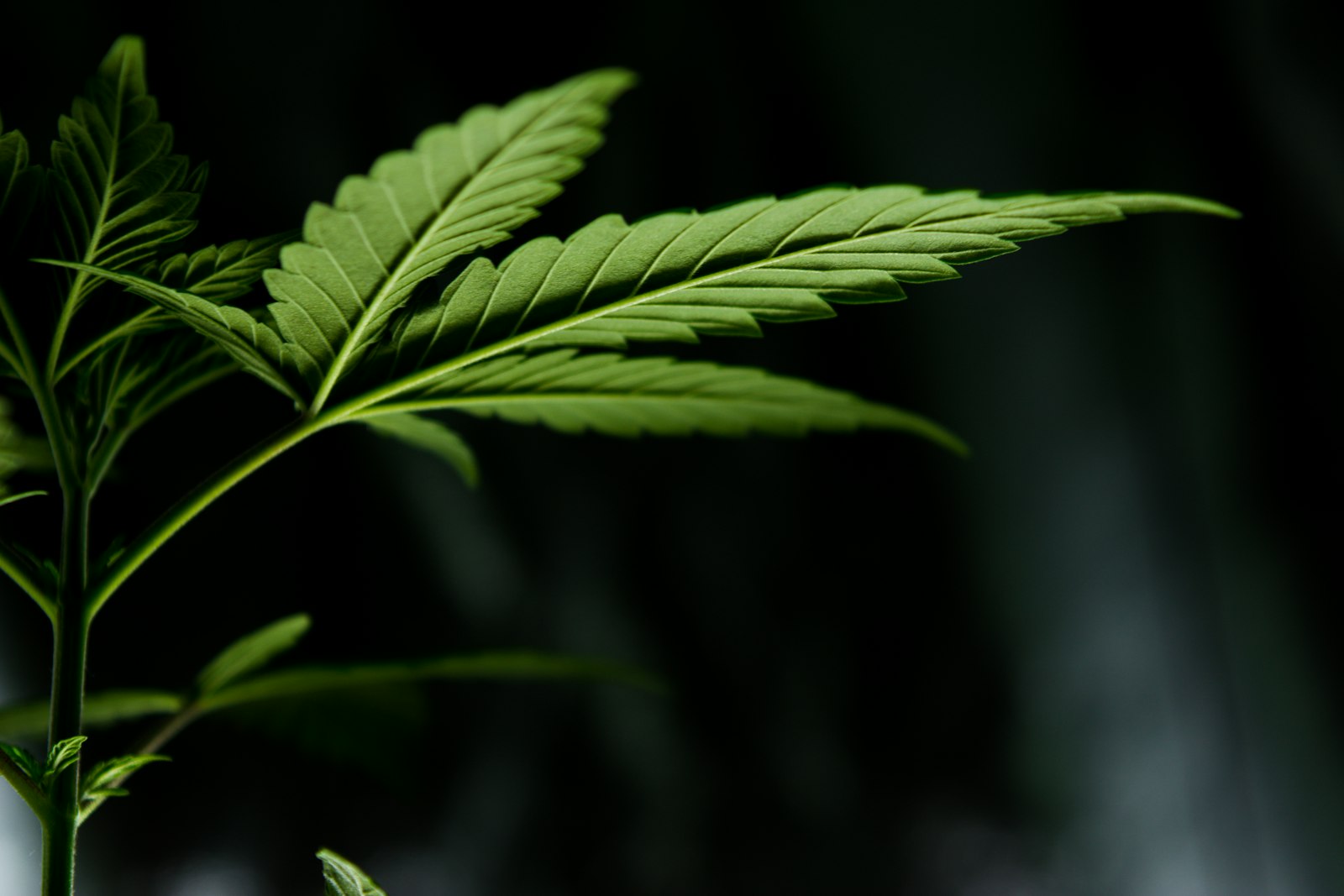
Cannabis seed anatomy: why seeds and resin glands differ
A seed contains the developing plant and protective tissues. It is a different structure from the glandular trichomes associated with resin on cannabis flower.
A 2023 microscopy study of a fiber-type cannabis cultivar examined the fruit wall and seed coat as distinct structures. Even the small object casually called a seed has more anatomical detail than its outer appearance suggests.
That distinction matters when somebody says THC is in the seed. Are they referring to the exterior of an intact sample, the protective coat, or the inner material? Those are different locations.
Our cannabis close-up article explores other structures people often lump together. Naming the tissue helps keep the chemistry question attached to the right part of the plant.
Give the seed a close-up
An 1887 botanical plate, in full resolution — Zoom into the little seed and flower drawings around the plant. The tiny details are the best part.
A seed study found most THC on the outside
In a 2000 analytical study, researchers examined both drug-type and fiber-type cannabis seeds. They found most of the measured THC on the surface, with far smaller quantities in the kernels.
The authors noted that variation between repeated samples could reflect different degrees of exterior contamination. In this context, contamination means material from elsewhere being present on the seed, rather than proof that the seed’s inner tissues produced all of the measured compound.
The finding is more precise than saying every seed always contains exactly zero THC. It is also more precise than treating any detectable THC in a whole-seed sample as evidence that seeds are little resin containers.
A chemical result needs a description of what was analyzed. The location of the signal can change the explanation for that signal.
The FDA makes the same distinction for hemp seed ingredients
In its December 2018 explanation of hemp seed-derived ingredients, the FDA stated that the seeds themselves do not naturally contain THC. It also explained that the reviewed ingredients could contain trace THC and CBD picked up through contact with other plant parts during harvesting and processing.
Those statements fit together because naturally producing a compound and carrying a small amount of it on a surface are different situations. The apparent contradiction comes from collapsing the two into one word: contain.
The FDA explanation concerns the hemp seed ingredients it describes. It should not be stretched into a chemical certificate for every unknown seed or every product that includes hemp somewhere on the label.
Genetic information is not a stored cannabinoid amount
Another shortcut sounds convincing: a seed carries the genetics of a cannabis plant, so it must already hold the plant’s characteristic flower chemistry.
But genetic potential and measured compounds are different kinds of information. A seed can contain biological instructions associated with later plant development without containing the same chemical profile as mature flower tissue.
A 2023 study of early cannabis development compared gene transcription with chemical measurements. The researchers found that genes associated with cannabinoid synthases were already expressed in seed samples.
That is an interesting biological finding, not a reason to replace a cannabinoid test with a gene-expression observation. The study measured both because the biological activity of a pathway and the compounds present in a sample are related questions, not interchangeable answers.
This distinction also helps with the broad genetic claims discussed in our strain origin stories. A documented family relationship tells you one kind of information. It does not supply every measurement for every plant part.
Hemp seed oil is not another name for CBD
Hemp seed oil names a material associated with the seed. CBD names cannabidiol, an individual compound. Those words describe different categories of information.
The seed-residue research explains why trace cannabinoids associated with seed material do not make seed oil synonymous with a CBD preparation. A label would need to describe the actual composition of the particular mixture.
This is a naming issue as much as a plant issue. Our cannabis packaging article looks at how similar leaf graphics and prominent words can make different materials appear more alike than their descriptions establish.
The question gets better when you name the part
For a seed sample, three details make the discussion clearer: which plant material was examined, which tissue or surface was included, and what the analysis detected.
Those details keep a trace finding from turning into a claim about every seed’s natural chemistry. They also keep a general botanical explanation from turning into an absolute guarantee of zero detectable residue.
The tiny shell has a real plant story inside it. That story involves genetics and protective tissues. The THC question needs its own evidence about the actual material, including what may be sitting on the outside.
Sources
- Kim, 2023: Structural Characteristics of Shells in a Fibrous Cultivar of Cannabis sativa
- Ross et al., 2000: GC-MS analysis of total THC in drug- and fiber-type seeds
- FDA, December 20, 2018: Hemp seed-derived ingredients
- Fulvio et al., 2023: Phytocannabinoid biosynthesis during early development
Series cover: original AI-assisted editorial illustration for Trap Snap LA. Photographs carry their own credits.
Frequently asked questions about weed seeds and THC
Which hemp seed ingredients did the FDA review as GRAS?
They covered hulled hemp seed, hemp seed protein powder and hemp seed oil for specified food uses. That finding applies to those ingredients and intended conditions; it is not a blanket approval of all cannabis foods. FDA hemp-seed ingredient notice.
Why can shelled hemp seeds still have dark shell fragments?
The 2023 shell study notes remnants of seed coats and fruit-wall material in commercial dehulled hempseed. A remaining shell fragment is anatomical material; its color alone does not measure THC. 2023 shell microscopy paper.
What nutrients do hemp seed ingredients add to food?
FDA’s notice describes intended uses as sources of protein, carbohydrates, oil and other nutrients. That food-ingredient context is separate from a claim about cannabinoid content or a medical benefit. FDA hemp-seed ingredient notice.
Tags: THC in cannabis seed tissue and surface residue, hemp seed ingredients and FDA GRAS notices


