
All That Packaging for One Tiny Item?


Bag Culture · Episode 6 of 7
A tiny item can arrive with enough layers to feel like it had its own moving day. Container, closure, label, outer bag. Sometimes the last thing left is a small pile of materials that looked much larger together than the thing they carried.
Cannabis packaging waste is a design question as well as a disposal question. A container needs to do practical jobs, and a public-facing brand needs to communicate information. The interesting part is figuring out which layer is doing which job, instead of treating every wrapper as automatically useful or automatically pointless.
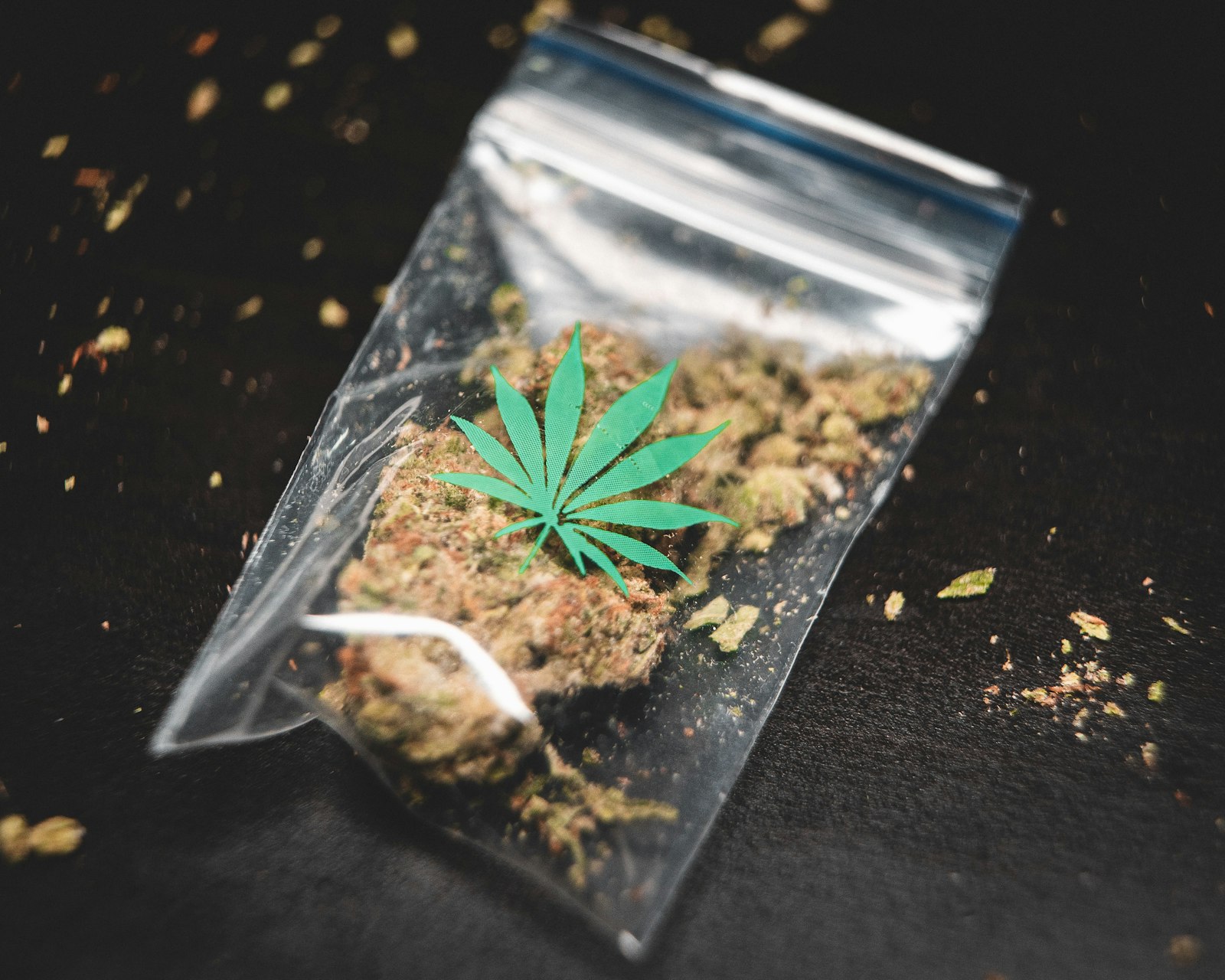
The layered-container complaint is real
An April 2023 r/trees thread about dispensary packaging drew discussion about tubes, jars and extra bags. Missouri commenters described their own experiences with accumulating containers. Some participants wanted less material; others mentioned second uses for jars. Those are attributed observations from a conversation, not measurements of the whole industry’s waste.
The disagreement matters because people are describing different objects and different priorities. Someone values a sturdy container they can use again. Someone else sees another object they do not need. A collector may like the graphic design while another person wishes the entire thing had been smaller.
They can all be talking about the same package without making the same judgment. Usefulness depends partly on the job the object does afterward, as well as the job it did first.
Look at the layers
A designer’s view inside the box — The open-box photographs show how much of the experience lives outside the small item in the middle.
One package can contain several materials
A glass body, a plastic closure, a paper label and an outer bag form a single presentation, but they are still separate material choices. A flexible pouch may itself be made of multiple layers. The exact construction needs documentation; a shiny surface alone does not identify the whole material.
That is why the photograph of a package should start with observation. You can show its parts, its visible joins and its relative size. Calling it fully recyclable requires more information than calling it a jar with a lid.
The comparison is useful even without a dramatic statistic. Lay the empty components out in a clear image and the physical decisions become visible. The closure might be much larger than expected. The label might cover most of the body. The outer layer might primarily organize several things together.
Are cannabis jars and bags actually recyclable?
The US EPA’s recycling guidance explains that acceptance depends on local collection programs, and that plastic resin-identification symbols do not automatically mean an item is accepted for recycling. The important distinction is between identifying a material and knowing what a particular program can process.
Our practical reading of that point is to resist the easy leap from a symbol to a universal promise. An object can contain a familiar material while its format, components or local collection arrangements complicate the answer. The relevant local guidance matters more than a confident general caption.
This also makes broad comparisons tricky. Glass, paper and plastic describe categories, not one identical object each. Weight, size, coatings and additional components can differ. A claim that one material always wins needs a defined comparison behind it.
Cannabis label requirements and extra packaging layers
California’s manufactured-product labeling checklist shows that required information has to be organized on the package or attached labeling; a website cannot simply replace everything. The example explains one practical pressure on layout. It does not tell us that every extra outer bag in every market is legally necessary.
That difference is worth keeping. A rule can create a genuine design requirement while leaving room for choices about format and presentation. The best criticism identifies the specific object and the applicable rule, instead of using regulation as a blanket excuse or dismissing it entirely.
The same goes for empty space. A container may need a particular closure or protective structure. It may also have decorative space that serves the brand’s presentation. Those jobs can overlap, but they are not identical.
Better design starts with naming the job
If a layer protects the object, explain that function. If it carries required information, make the information easy to find. If it supplies artwork, describe it as an aesthetic choice. Naming the job makes the discussion much clearer than saying the whole thing looks excessive.
A package can be attractive and frustrating. It can be reusable for one person and unnecessary for another. A visually plain format can still have a complicated material structure underneath. The surface does not answer every practical question.
That is the most useful way to look at the pile left afterward. The jar, closure, label and bag each came from a decision. Once those decisions are visible, the conversation can move from there is so much stuff to which parts actually earned their place.
Sources and further reading
- Reddit discussion: packaging waste, April 2023
- US EPA: recycling basics and benefits
- California DCC: manufactured-product labeling requirements
Series cover: original AI-assisted editorial illustration for Trap Snap LA. Photographs carry their own credits.
More questions about cannabis packaging waste and recycling
Can I put cannabis bags in curbside recycling?
Do not assume so. EPA says ordinary plastic bags and films should not go into household recycling bins. A multilayer cannabis pouch also needs material-specific local guidance; its appearance does not show whether a collection program accepts it. EPA’s common-recyclables guidance.
Does the number inside a plastic recycling triangle guarantee acceptance?
No. It identifies a plastic resin type rather than guaranteeing collection by your local program. Check the actual item format and the local program’s rules. EPA’s explanation of resin symbols.
Are compostable plastic packages recyclable with ordinary plastics?
EPA says compostable plastics are not intended for conventional recycling and can disrupt that stream. A compostable claim also does not establish that your local composting program accepts the item. EPA’s compostable-plastics guidance.
Can a tiny cannabis package use an attached booklet label?
Yes, for the California products covered by this checklist. Attached fold-outs and booklet labels can address limited space. California’s small-package labeling guidance.
Tags: cannabis packaging recycling local rules; cannabis bags jars packaging waste


