
Hemp vs Weed: Why Two Names Make Things Confusing

Myth Check · Episode 3 of 7
Hemp shows up on a food label. Cannabis shows up in a research paper. Marijuana shows up in an old newspaper. Weed shows up in the group chat. It can feel like four plants are sharing the same leaf logo.
They are not four clean botanical categories. Hemp and marijuana are terms used for different kinds and classifications of cannabis; weed is informal language. Modern research commonly examines both hemp and drug-type plants under the name Cannabis sativa L.
That still leaves real differences between plants. The interesting part of the difference between hemp and marijuana is how common ancestry, human breeding, chemistry, and everyday vocabulary overlap without becoming the same thing.
Start with the umbrella word: cannabis
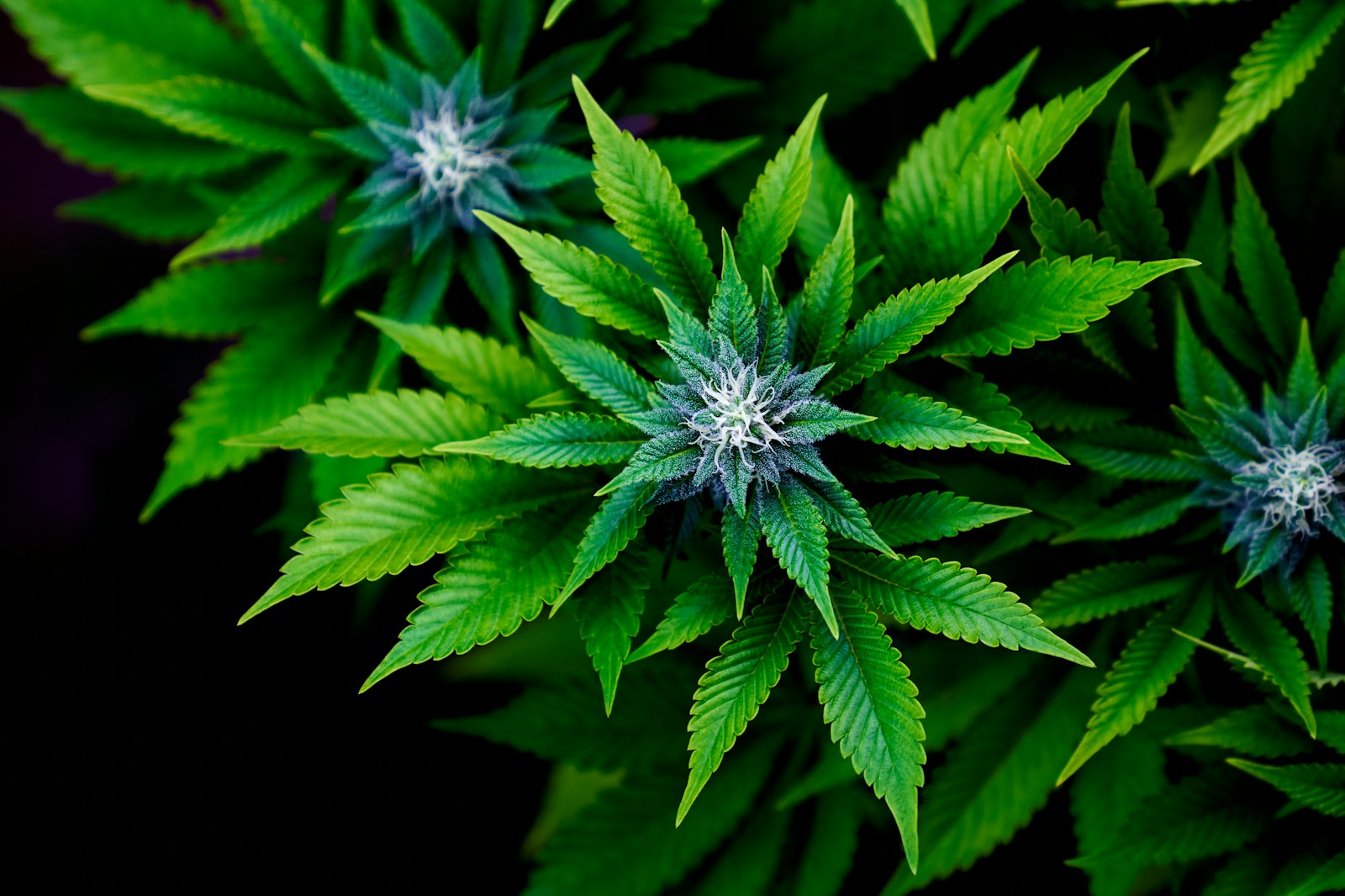
Cannabis is the plant name that holds the conversation together. A 2022 study of commercial cannabis chemistry describes the genus as having one highly variable species, Cannabis sativa L., including forms called hemp and marijuana.
Scientists have debated cannabis taxonomy, so the long history of classification is more complicated than a package’s two-word summary. But calling hemp cannabis is not a contradiction in the scientific framework used by these studies.
One little trap: the botanical name Cannabis sativa is not automatically the same thing as a commercial label saying sativa. The first is a scientific plant name. The second is a category used in the marketplace. Shared spelling does not make the contexts interchangeable.
Same plant, very different screen presence
Hemp for Victory’s black-and-white hemp footage — Jump into the old film and look at how hemp is presented: fields, rope and very serious wartime narration. A different visual world from today’s flower close-ups.
People bred the plant toward different jobs
Hemp is historically associated with crops developed for fiber and seed. Drug-type cannabis is associated with selection for its resin chemistry. Those different goals can leave differences across a plant’s genome, not merely in one headline cannabinoid.
A 2015 genetic study found genome-wide differentiation between the hemp and marijuana populations it sampled. It also found that the groups largely shared a common pool of genetic variation.
Both parts matter. Related does not mean identical, and differentiated does not mean unrelated species. The plants can share a broad ancestry while reflecting generations of selection toward different characteristics.
This is more interesting than the shortcut that hemp is simply weed with one ingredient erased. Breeding history can affect many traits at once. It is also why one leaf silhouette makes a lousy replacement for a plant’s actual records.
A shared family tree can have different branches
In a 2021 whole-genome study, researchers analyzed 110 cannabis accessions. Their results supported a common ancestral gene pool for present-day hemp and drug cultivars, followed by divergent selection associated with their different uses.
That does not assign a neat ancestry percentage to every plant someone has ever called hemp. It is a study of sampled populations and their relationships. Its value is showing how both shared origins and later differences can be visible in genomic data.
A family tree is doing different work from a nickname. Our famous strain origin stories follow the smaller-scale version of that problem: a memorable name can survive even when its history needs more careful documentation.
CBD is a compound, not a replacement word for hemp
This is where the labels really start crossing wires. Hemp names a plant category in a particular context. CBD names cannabidiol, a chemical compound. Those are different kinds of nouns.
The PubChem record for cannabidiol identifies a specific molecular structure. You cannot get that level of chemical specificity from the broad word hemp alone.
Likewise, hemp seed oil describes oil associated with a particular plant part. It is not another chemical name for CBD. The FDA’s 2018 explanation of hemp seed ingredients distinguishes the seeds themselves from the trace cannabinoid residues they can acquire through contact with other plant parts.
A useful way to read these words is to ask what category of information each supplies: plant, plant part, individual molecule, or description of a mixture. The leaf artwork alone does not answer those questions.
The same word can change jobs between contexts
| Word | What it can describe here |
|---|---|
| Cannabis | The broad plant conversation or scientific genus name |
| Hemp | A crop type, study population, or separately defined regulatory category |
| Marijuana | A common term for drug-type cannabis, with context-dependent formal uses |
| Weed | Informal language rather than a precise botanical classification |
| CBD | A particular cannabinoid molecule |
Regulatory categories are a separate question from botanical ancestry: they belong to a particular place and date. A genetic study’s use of hemp is not a universal statement about an item’s current legal classification.
Culture adds another layer. The language people use in conversation is flexible, as our weed slang guide explains. That flexibility is fine until someone treats a casual word as a complete chemical description.
The leaf is familiar; the meaning needs context
Hemp belongs in the cannabis story. It has breeding histories and characteristics worth discussing on their own. CBD belongs in the chemistry story, and seed oil belongs in a plant-part story.
Once those are separate in your head, a lot of apparently contradictory labels get easier to read. You can enjoy the familiar design and still ask what the words actually describe. Our look at cannabis packaging takes that same question into the artwork and fine print.
Sources
- Smith et al., 2022: The phytochemical diversity of commercial Cannabis
- Sawler et al., 2015: The Genetic Structure of Marijuana and Hemp
- Ren et al., 2021: Large-scale whole-genome resequencing
- PubChem: Cannabidiol
- FDA, December 20, 2018: Hemp seed-derived ingredients
Series cover: original AI-assisted editorial illustration for Trap Snap LA. Photographs carry their own credits.
Questions about hemp and marijuana terminology
Is hemp protein powder the same thing as CBD?
No. Hemp seed protein powder is a seed-derived food ingredient; CBD is a cannabinoid molecule. FDA’s explanation treats seed ingredients and CBD as separate categories. FDA hemp-seed ingredient explanation.
What can industrial hemp be used for besides cannabinoids?
Hemp can provide fiber for textiles and paper and seed-derived food ingredients. NIST names textiles, paper and food products as uses; those uses are different from a chemical concentration claim. NIST hemp background.
Can you tell hemp from marijuana by looking at a leaf?
A leaf image does not establish the measured cannabinoid content or a regulatory classification. NIST describes laboratory measurements and reference materials for distinguishing the categories accurately. NIST cannabis-measurement explanation.
Tags: hemp protein powder versus CBD; botanical Cannabis sativa versus sativa label.


