
You Smell Mango. Your Friend Smells Feet.


Nose Notes · Episode 5 of 7
When people disagree about how weed smells, you say mango and your friend says feet. Somebody else says fruity feet, which is somehow both a compromise and a worse sentence.
Why does weed smell different to different people? There is no single explanation for every disagreement. Sometimes people mean different things by the same word. Sometimes they focus on different parts of an impression. Research on odor perception also shows that the person doing the perceiving matters.
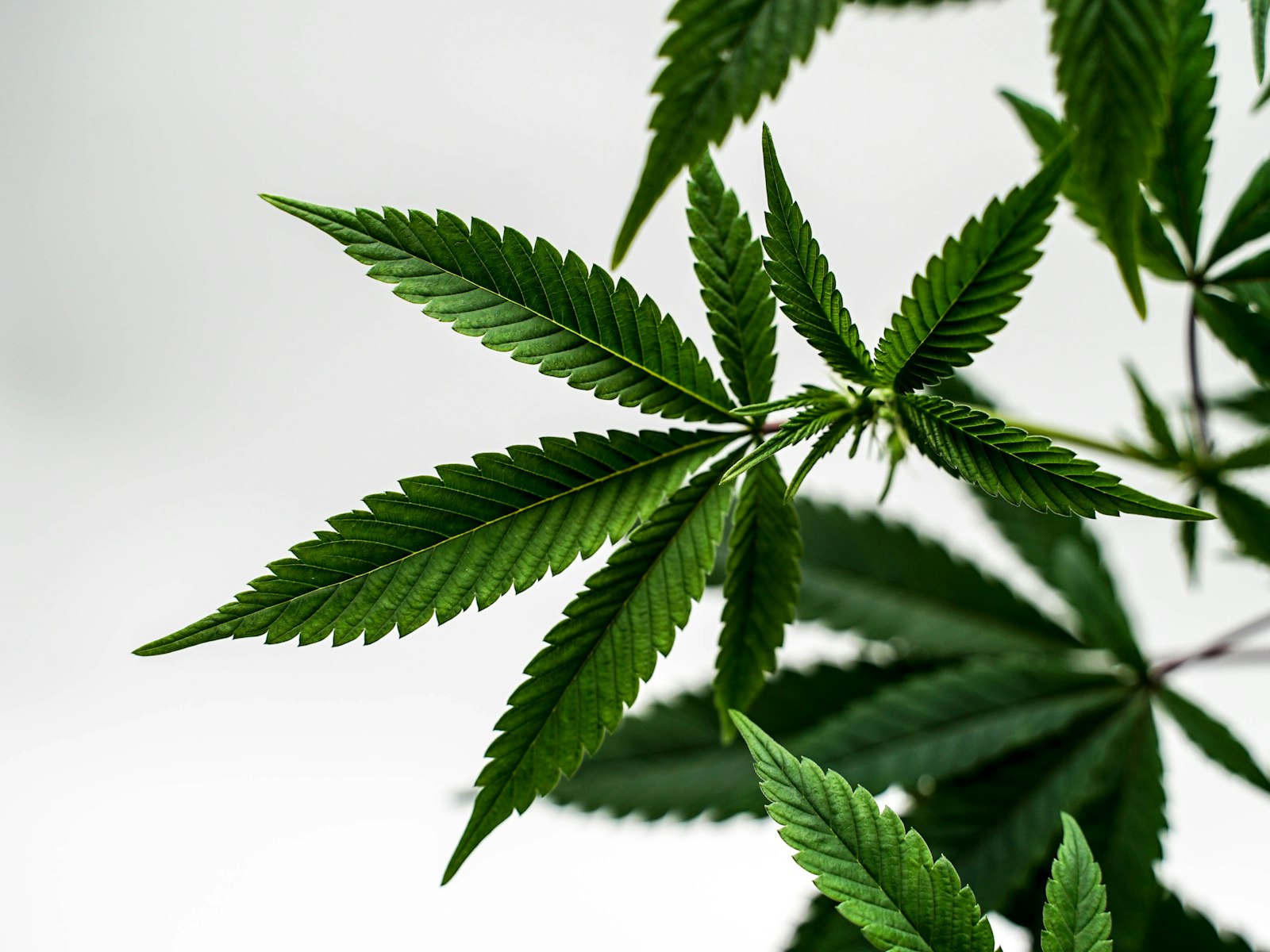
First, check what the words actually mean
Mango might mean ripe, sweet, tropical, or vaguely juicy. Feet might mean sharp, savory, sweaty, or simply unpleasant. Those descriptions can overlap more than their chosen objects suggest.
A smell comparison borrows a familiar reference. It does not reproduce that reference’s complete chemistry. People with different reference points can end up describing related impressions with nouns that sound miles apart.
That is why a useful account explains the comparison. Sweet tropical fruit with a sharp background communicates more than mango alone. Funky and savory tells a reader more than feet when the goal is description rather than roasting the whole thing.
Why your friend’s nose has opinions
How do we smell? — TED-Ed — An animated trip from airborne odor to the brain. The weird part is how personal the final description can become.
There are documented differences in perception
In a 2007 Nature study, researchers connected variation in the human odor receptor OR7D4 with differences in how participants perceived particular steroid-derived odorants. The experiment did not study cannabis, mango aroma, or every possible smell.
The careful lesson is that individual perception has a biological component worth measuring. It is not a genetic explanation for a specific cannabis argument. Reading the experiment as proof that your friend has a broken nose would miss both the scope and the point.
There is a useful middle ground between everyone smells exactly the same thing and nobody’s description means anything. Differences can be real while descriptions still need context.
Words can change the reception of a smell
A separate 2005 experiment found that labeling a test odor as cheddar cheese or body odor affected pleasantness judgments. This was general odor research, not a cannabis panel.
It offers a neat reason to pay attention to the first word in the conversation. Cheese and body odor arrive with different associations. A reader may be hearing both an aroma description and a suggested opinion about whether that aroma is appealing.
That does not prove that labels explain every disagreement. It does show why a name, a promotional phrase, and a sensory report should remain distinguishable. Our dessert-name article explores another place where expectations arrive early.
Intensity is not the same as liking
Two people can agree that a smell is pronounced and disagree about whether they enjoy it. Two can like an aroma for different reasons. One person’s pleasant and another person’s strong answer different questions, so comparing those words as if they were opposing verdicts creates a fake argument.
A more informative note separates character, intensity, and preference. The character is the resemblance. Intensity is how prominent it seems. Preference is the reaction to it. None of the three is automatically a measurement of potency or safety.
Our slang explanation looks at the problem when loud or gas gets used as an all-purpose compliment. A description becomes clearer when the writer says which judgment they mean.
Panels are organized disagreement
A sensory panel is useful precisely because one person’s words are not the entire dataset. Researchers can define reference terms, record separate responses, and compare patterns. Agreement can become informative; disagreement can become a finding that needs explanation.
The interesting alternative to a group-chat winner is a better account of the differences. Did people choose different reference foods? Did one highlight sweetness while another highlighted funk? Were they expressing a preference rather than describing the same property?
Those questions improve the conversation without requiring anyone to pretend their opinion is a laboratory result. They also leave the sample’s identity and composition to appropriate evidence.
Aroma is already weird enough to be fun. It does not need the extra rule that every description must match. For the chemistry behind some familiar comparisons, read our cannabis aroma overview; for this conversation, the useful move is giving each person’s words enough detail to mean something.
Sources
- Keller and colleagues, Nature, 2007: odor-receptor variation
- de Araujo and colleagues, Neuron, 2005: labels and odor perception
Series cover: original AI-assisted editorial illustration for Trap Snap LA. Photographs carry their own credits.
More questions about differences in smell perception
Can a cold make smells seem different?
Yes. NIDCD explains that sinus and upper respiratory infections can affect smell. A change in the person’s sense of smell is therefore one possible context for disagreement, rather than proof that the sample changed. NIDCD’s causes of smell disorders.
Can smell perception change with age?
Yes. NIDCD lists aging among factors associated with smell disorders. That general evidence does not diagnose either person in a cannabis conversation or explain every differing adjective. NIDCD’s overview.
Is a mango smell the same as a sweet taste?
No. Sweet is one of the basic taste qualities; identifying a fruit-like flavor also involves aroma and other sensations. Using mango as a smell comparison does not demonstrate sugar or a measured taste result. NIDCD’s explanation of flavor.
What should I do if familiar smells change or disappear?
Talk with a healthcare professional about a persistent change. NIDCD describes medical assessment using history, examination and smell tests; an argument about one cannabis aroma cannot supply that assessment. NIDCD’s diagnosis and treatment guidance.
Tags: why people describe the same cannabis smell differently, odor perception versus taste and flavor


