
Why Does Every Weed Strain Sound Like a Dessert Now?

Trap Snap LA editorial • Culture & Fun • 6 min read
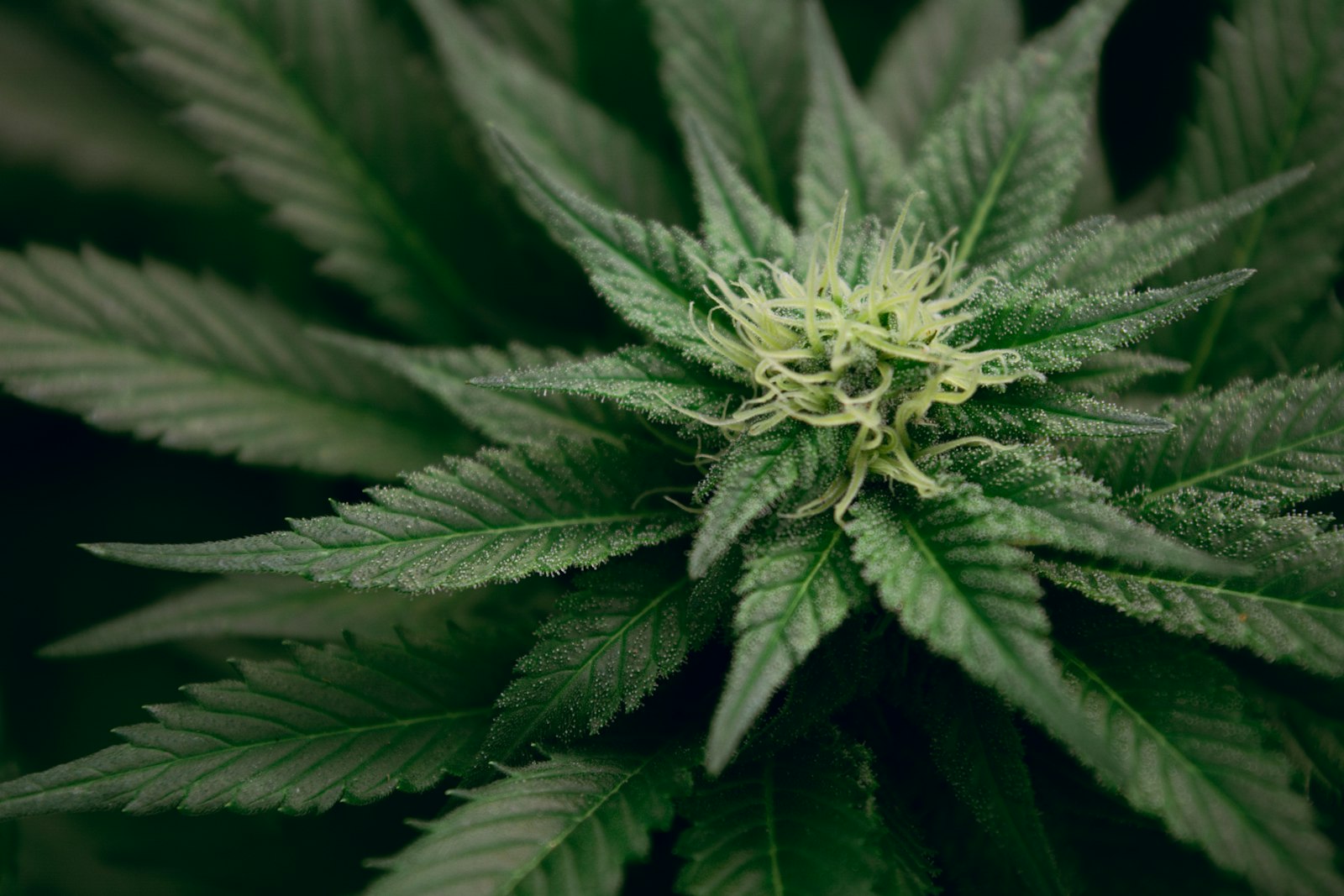
Cover photo: Esteban López / Unsplash.
Gelato. Wedding Cake. Cookies. Donutz. Read a few cannabis strain names out loud and somebody could reasonably think you are ordering for a birthday party. Somewhere between OG and every possible version of Cake, the weed menu started looking like a bakery with a security guard.
It is funny, but there is a real question hiding in there: why do weed strains have dessert names? The answer sits somewhere between recognizable aromas, family names, and branding. A name can give you something to remember. It cannot hand you a complete chemistry report.
There are three stories hiding behind the bakery counter: the smell, the family tree, and the name that looks good on a label. Sometimes they line up. Sometimes the frosting is doing most of the talking.
Dessert names work because your brain already knows the reference
You do not need a glossary to picture a doughnut. Say lemon cake and most people immediately imagine a combination of citrus, sweetness, and something baked. Compare that with an unfamiliar code full of numbers: technically useful to the person tracking it, less useful in a conversation.
That is our editorial read on the appeal. Dessert words give the name a visual, a mood, and a ready-made conversation starter. They also make an easy canvas for packaging. Cake suggests frosting. Gelato suggests an ice cream counter. Cookies suggests a familiar snack. The artwork almost writes itself.
None of that proves what is in a particular batch. It explains why the naming style feels memorable. A good nickname and a good identification system solve different problems, even when they happen to appear on the same label.

Do dessert weed strain names describe flavor or ingredients?
Researchers studying cannabis aroma have found that its smell involves more than terpenes alone. A 2023 study identified low-concentration compounds that helped distinguish sweet and savory aroma descriptions, including certain volatile sulfur compounds. That helps explain why a plant can suggest food without being made from that food.
Humboldt Seed Company’s description of Jelly Donutz is a handy example. The breeder lists pink cotton candy, caramel, sweetness, and fuel among its aroma and flavor descriptors. Those are the breeder’s descriptors, not our firsthand review. Notice the fuel part: even a pastry name can come with a completely different note beside it.
Think of these descriptions like the language on a coffee bag. A roaster can describe berry notes without pouring berry syrup into the beans. In the same way, a dessert reference in a cannabis name is not, by itself, evidence of added sugar, flavoring, or a particular manufacturing process.
If the question is whether something was added, the name is the wrong place to stop. That is a question about the actual product and its documentation. The joke on the front cannot answer it for you.
Dessert strain names and their documented genetics
Breeder records can make naming patterns a little less random. Humboldt’s Donutz page lists Lemon Cherry Gelato, GSC, and OG in its parentage. You can see how a new pastry-themed name ends up beside older sweet-themed names in one documented breeding description.
That is one example from one breeder, not a universal explanation for everything called Cookies, Cake, or Gelato. An accurate family tree needs an identifiable source. A repeated word is just a repeated word until the connection is documented.
Picture somebody introducing three cousins who all have similar nicknames. You might guess they are related, but the nicknames do not establish who their parents are. Cannabis naming has the same basic problem. It is tempting to fill in a family tree because the words look familiar.
And once a name becomes popular, the word can travel farther than its original context. That is why the useful follow-up is not simply whether the label says Gelato. It is whose Gelato, what documented lineage, and which specific batch is being discussed.
Quick guess: does a dessert name prove that a flower was flavored?
No. The name can be an aroma reference or a branding choice. Evidence about added ingredients has to come from the actual product information.
Same name does not automatically mean the same weed
A large 2022 analysis of commercial cannabis testing found that strain names differed in how consistently they lined up with chemical profiles. Some names were more consistent than others; even the more consistent names still showed variation.
That is a better answer than saying names mean absolutely nothing. A name can have some information behind it. The problem is treating the information as exact when the evidence does not support that level of certainty.
Here is a simple label-reading order that keeps the conversation grounded:
- The name: useful for recognizing what somebody is talking about.
- The identified producer or breeder: useful for tracing the claim.
- The specific batch information: useful for understanding the actual item being described.
- The source behind the description: useful for separating a record from a story repeated online.
That order is less flashy than an oversized cartoon cupcake, but it answers more questions. The art can still be fun. It just should not have to do the lab report’s job.
The bakery joke is good; the extra assumptions are where it gets messy
There is nothing wrong with laughing at the fact that weed names sound like a midnight dessert order. The interesting part is noticing how much meaning we casually attach to a few words.
A sweet name can suggest an aroma, point toward a documented lineage, or simply be memorable branding. Those possibilities can overlap. What it cannot do alone is prove potency, authenticity, an exact sensory experience, or a guaranteed personal reaction.
Next time somebody jokes that the whole menu belongs behind a bakery counter, ask which part of the name is actually supported. The answer might be genetics. It might be a breeder’s aroma description. It might just be a great name. All three make better conversation when we keep them straight.
Quick questions
Why are there so many Cake, Cookies, and Gelato strain names?
Food words are easy to remember and can suggest aroma or branding. Some documented lineages also carry those names into later crosses. A shared word alone does not establish a shared family tree.
Does a dessert strain name mean it contains sugar or flavoring?
No. A name is not an ingredient declaration. Check the actual product documentation if you want to know about added ingredients.
Sources worth opening
- Humboldt Seed Company: Jelly Donutz breeder description
- Humboldt Seed Company: Donutz parentage and description
- 2023 research: nonterpenoid compounds and cannabis aroma
- 2022 research: commercial cannabis chemical diversity
More questions about dessert weed strain names
What are Jelly Donutz strain genetics?
Humboldt Seed Company lists Jelly Donutz (#160 × #17) × Hella Jelly × White Runtz. That is the breeder’s documented parentage claim, which goes beyond guessing ancestry from the dessert name. Humboldt’s Jelly Donutz listing.
What does the Donutz strain smell like according to its breeder?
Humboldt describes sweet dough and glazed-donut notes, with vanilla, cinnamon and fuel. These are the breeder’s published sensory descriptions, rather than an independent review or proof that every sample will smell identical. Humboldt’s attributed Donutz description.
Can sulfur compounds give weed a fruity smell?
Yes. A 2023 cannabis aroma study identified sulfur compounds with a 3-mercaptohexyl group associated with distinct citrus aromas in certain studied varieties. Sulfur-containing does not automatically mean a skunk-like smell. The primary cannabis aroma study.
Tags: dessert weed strain names and genetics; Jelly Donutz strain parentage explained



4 thoughts on “Why Does Every Weed Strain Sound Like a Dessert Now?”