
Did the Skunk Smell Disappear, or Did We Get Used to It?


Nose Notes · Episode 6 of 7
The old-school skunk conversation usually starts with a smell that supposedly announced itself from a mile away. Then comes the verdict: today’s weed just does not smell like that.
Maybe the compared materials differ. Maybe the settings differ. Maybe the memory is doing some editing. Why weed smells less skunky now is a question that sounds simple until now has to be compared with an actual, measurable then.
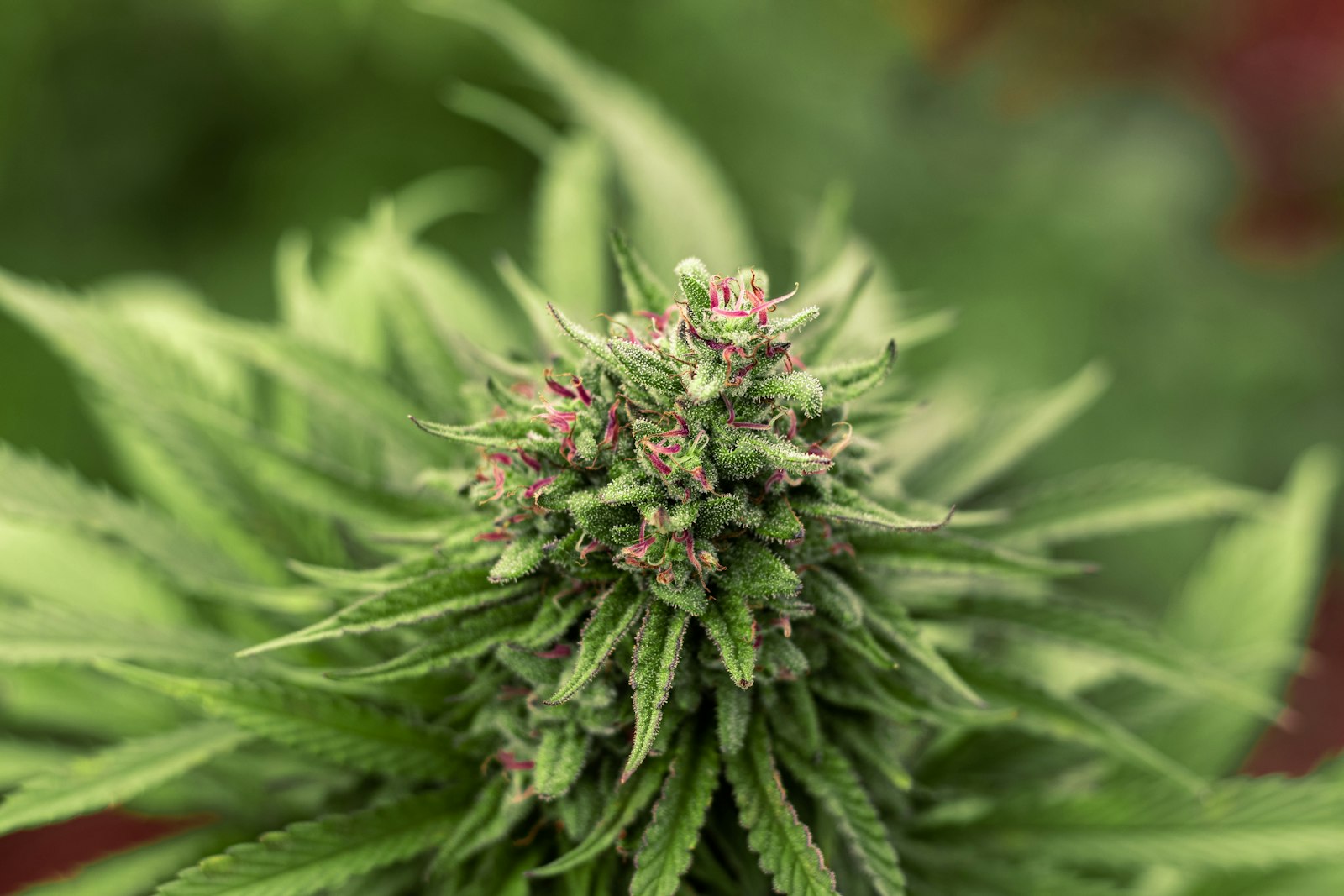
A memory is not an archived specimen
A remembered smell comes wrapped in context: a particular room, a car, a person, a time when the aroma was unfamiliar. A present-day description usually concerns a different material in a different setting. That is not a controlled historical comparison.
This does not make nostalgia useless. A recollection can identify what someone remembers and which qualities mattered to them. It becomes weaker when asked to establish the composition of all cannabis in an earlier decade.
The same distinction appears in our old-school culture story: a memorable personal account and a broad historical claim are different kinds of evidence.
Pay attention to what your nose edits out
How to master your sense of smell — This short animation turns ordinary surroundings into a smell scavenger hunt. A fun follow-up to the “did it disappear?” question.
Smell habituation and the nose-blind explanation
A 2014 human experiment repeatedly presented anise and chocolate odors to 26 participants. Pleasantness judgments shifted toward neutrality in part of the analysis. The researchers described this as affective habituation.
That experiment did not establish that modern cannabis has become less pungent or that every familiar odor becomes undetectable. It addresses a narrower point: responses to repeated odors can change, and the direction depends on what is measured.
Notice the difference between pleasantness and intensity. Getting less enthusiastic about a repeated pleasant smell is not identical to failing to detect the smell. The casual phrase nose blind can flatten several processes into one explanation.
The mechanism is not as tidy as a meme
A study of repeated odor exposure measured responses at the human olfactory epithelium as well as intensity ratings. It did not establish a clear decrease in the recorded peripheral responses, even though ratings tended to decrease for several odorants.
That finding is a good reason to resist the instant explanation that receptors simply switched off. The researchers separated a reported experience from a particular physiological measurement. They did not get to treat those as identical because the general story sounded plausible.
For this cannabis discussion, habituation is a possible factor to distinguish from changes in material. It cannot settle which factor explains a specific comparison across years.
Skunky weed smell can change with the sample’s history
The 2021 skunk-aroma investigation also monitored how identified sulfur-compound concentrations changed across the studied material’s lifecycle and subsequent storage. Its observations describe that experiment, not an industry-wide disappearance of skunk.
This supplies another category of explanation: the sample itself matters. A comparison between different specimens, different histories, and different conditions cannot isolate one cause just by asking which smell seems strongest.
The result also does not prove that a named modern cultivar has retained or lost a historical aroma. Names and provenance need their own records. Our strain-history article explains why a familiar label is not a preserved time capsule.
What evidence would settle the larger claim?
A stronger historical comparison would need clearly defined materials from the periods being compared, information about their condition, consistent analytical methods, and an explanation of how smell was evaluated. If the evidence concerns a few samples, the conclusion should describe those samples.
Without that structure, the sensible answer remains open. People may be noticing genuine differences while disagreeing about their scale or cause. A nostalgic description can start an investigation; it cannot substitute for the missing comparison.
There is plenty to enjoy in the memories without turning them into a universal chart. The old-school skunk story is a story about material, perception, and culture at once. Keeping those parts separate makes it more interesting, because the question becomes what changed rather than which generation gets to win.
For the specific chemistry behind skunk-like impressions, return to our aroma overview. For the historical verdict, the honest conclusion is that nostalgia alone cannot supply the evidence.
Sources
- Ferdenzi and colleagues, Frontiers in Behavioral Neuroscience, 2014
- Mignot and colleagues: recordings during repeated odor exposure
- Oswald and colleagues, ACS Omega, 2021: prenylated volatile sulfur compounds
Series cover: original AI-assisted editorial illustration for Trap Snap LA. Photographs carry their own credits.
More questions about skunky cannabis aroma and smell perception
What weed strains are skunky?
In the 2021 aroma study, the researchers closely investigated Bacio Gelato’s skunk-like scent and its sulfur compounds. This identifies a studied specimen; it does not guarantee the aroma of every item carrying that name. The original cannabis aroma investigation.
Is cannabis skunk smell caused only by terpenes?
No. The cited study identified prenylated volatile sulfur compounds contributing to the characteristic scent. A terpene-only explanation misses compounds directly investigated in that work. The sulfur-compound study.
Does getting used to a smell mean it becomes chemically weaker?
Not by itself. The human odor study measured changes in perception and pleasantness after repeated presentations. A changed response and a changed chemical concentration are different observations. The repeated-odor exposure experiment.
Did the smell habituation study test cannabis?
No. Ferdenzi and colleagues used anise and chocolate odorants. Its findings offer general context about repeated odor exposure without proving why a particular cannabis smell seems different today. The study’s methods.
Tags: why old weed smelled skunky; cannabis sulfur aroma and smell habituation


