
Blue Dream: How One Name Kept Showing Up

Strain Files · Episode 7 of 7
Blue Dream is the kind of name that can make one person nostalgic and another person immediately say they have heard enough about it. That split is interesting all by itself. Blue Dream strain history includes Santa Cruz memories, breeder descriptions and later references in popular culture, each with its own source and date.
Familiarity can turn a name into both a reference point and an eye roll. But how did this one become so familiar? The useful answer comes from dated reporting, named witnesses and the different records breeders attach to the label. The beginning is less tidy than the name makes it sound.
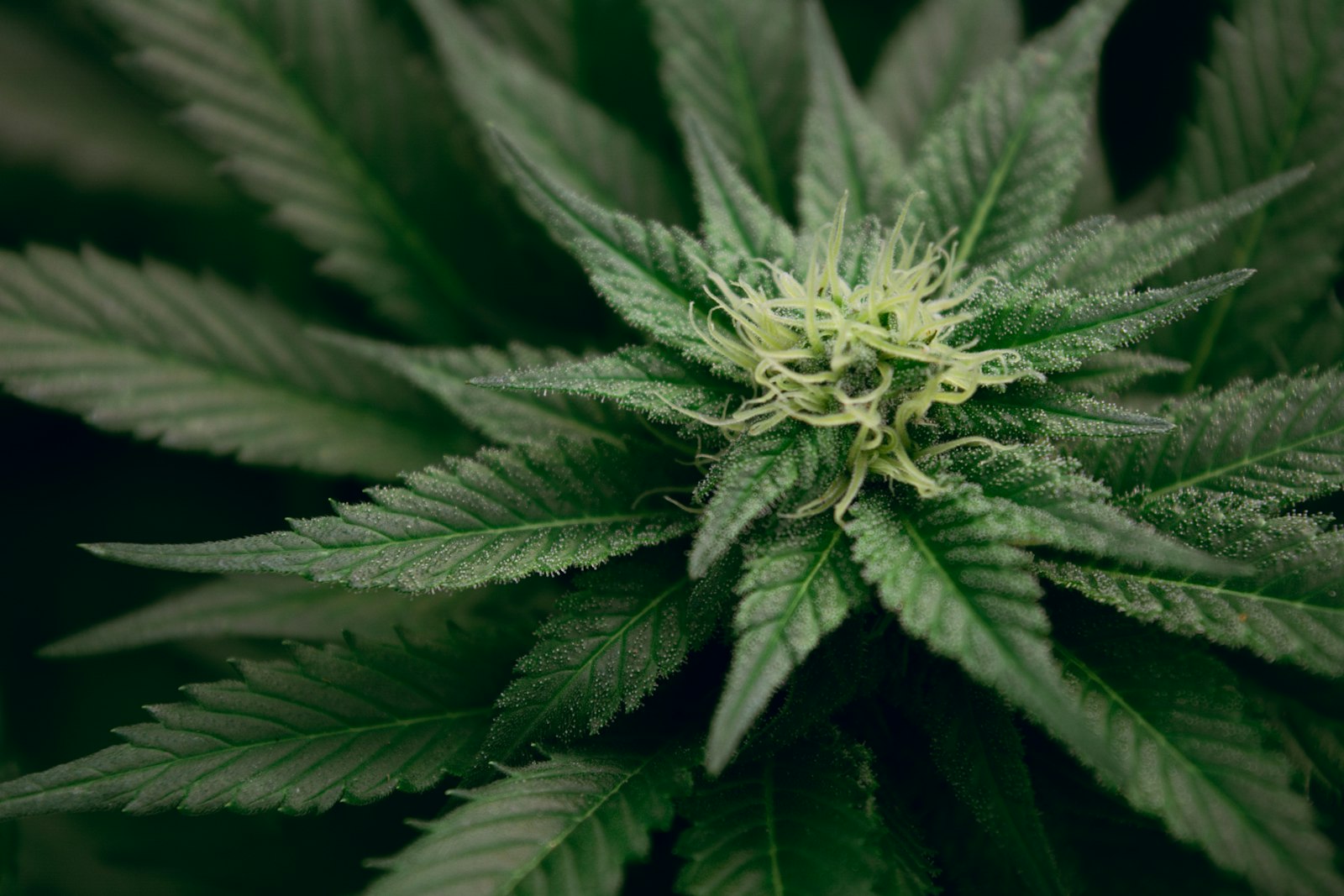
Blue Dream strain history in Santa Cruz
In Ellen Holland’s 2021 Blue Dream investigation, the reported story places a clone-associated Blue Dream in Santa Cruz’s early-2000s cannabis community. Her interviews include Ed Rosenthal and Oaksterdam instructor Jeff Jones.
Rosenthal describes the ancestry in terms of Haze and DJ Short’s Blueberry. Jones discusses Richard Lee’s role in circulating Blue Dream material through the Oaksterdam network.
Those voices give us a historical route to follow. They do not require pretending that the first appearance, original breeder and every later version have all been conclusively identified.
A Blue Dream road trip in article form
Searching for the origin of Blue Dream — Follow the search through Santa Cruz names and memories. The appeal is in how many people have a piece of the story.
Popularity left a lot of memories
In a 2023 High Times investigation, Jason Matthys of Equilibrium Genetics recalls Blue Dream’s abundance during his early-2010s work at Harborside Oakland. Other named interviewees offer different explanations for its changing reputation.
The interesting cultural point is the abundance of memories: a name becomes familiar enough for people to remember the era through it, then familiar enough for people to argue over what went wrong with that familiarity.
That is a richer story than calling something either eternally legendary or permanently overhyped. A cultural reference can accumulate affection and fatigue at the same time.
The ancestry conversation keeps the Haze question open
High Times’ interviews distinguish a general Blueberry-and-Haze account from uncertainty over exactly which material those words describe. Matthys does not claim to know the precise Blueberry and Haze entries behind the original.
This is a useful historical detail, not a cue to abandon the story. Broad family language and exact parent identities are different levels of specificity. You can follow the recognized association while leaving the smaller question visible.
That search still leaves the original breeder unnamed. It is an unresolved chapter in Blue Dream’s story, which helps explain why the origin conversation keeps coming back.
Today’s breeder records show why the wording matters
DNA Genetics describes its Blue Dream using Blueberry and Haze #1. Barney’s Farm describes its version using Blueberry and Super Silver Haze.
Those are companies describing their own entries. They help explain why one familiar name can lead readers to different stated relationships. Neither description automatically rewrites the early Santa Cruz chapter.
For a history article, the solution is simple: keep the company beside the wording. That turns an apparent contradiction into a more useful comparison of specific records.
The name became a way to argue about an era
A conversation about Blue Dream can quickly become a conversation about the past: what a scene valued, which names people recognized and what counted as exciting at the time.
You can enjoy that without pretending personal memory is a laboratory archive. The history gets its texture from people telling us what they remember, while the reader gets to see who said it and when the account was recorded.
The familiar-name problem also makes a good group-chat debate: can something be a classic and overexposed at the same time? The two descriptions answer different questions. One is about the role a name played in a scene; the other is about how often somebody has heard it lately. That tension gives Blue Dream’s story more personality than a tidy origin card ever could.
Our old-school culture guide looks at nostalgia as a cultural habit. The famous strain origin collection puts these credits in a wider context. And our dessert-name article follows the naming conversation into another era.
Two quick Blue Dream history questions
Is Blue Dream’s original creator conclusively identified here?
No. The cited investigations preserve accounts of its community, ancestry and circulation while leaving the original-breeder question unresolved.
Do all Blue Dream breeder descriptions use identical parent names?
No. The DNA and Barney’s examples use different Haze wording. Read them as records for those entries, rather than treating the shared Blue Dream name as proof that every historical and modern version is identical.
Sources
- Ellen Holland: Searching for the origin of Blue Dream,2021 primary interviews with Rosenthal and Jones
- High Times: Celebrating Two Decades of Blue Dream,2023 primary interviews with named cultivators
- DNA Genetics: its Blue Dream parentage description
- Barney’s Farm: its Blue Dream parentage description
Series cover: original AI-assisted editorial illustration for Trap Snap LA. Photographs carry their own credits.
More questions about Blue Dream history
Is Blue Dream and Lean a mixtape or a cannabis strain?
Blue Dream & Lean is Juicy J’s 2011 mixtape. Ellen Holland’s reporting uses it as a dated example of Blue Dream’s presence in popular culture; the music title is not a separate laboratory or breeding record. Ellen Holland’s 2021 Blue Dream reporting.
Was Blue Dream a top-selling strain in Washington and Colorado in 2015?
Holland’s 2021 article reports it was the number-one seller in both states in 2015, citing sales data. Keep that historical year and those markets attached to the claim; it is not a current nationwide ranking. Ellen Holland’s 2021 Blue Dream reporting.
Does Blue Dream taste like berries?
Holland describes earth and sweet-berry tastes in the Pacific Stone Blue Dream she personally sampled for her 2021 article. That is attributed firsthand testimony about one product, rather than a flavor guarantee for every Blue Dream label. Ellen Holland’s 2021 Blue Dream reporting.
Tags: Blue Dream strain history and 2011 mixtape, Blue Dream berry flavor firsthand reporting


