
White Widow: Why the Origin Story Still Gets Debated

Strain Files · Episode 5 of 7
White Widow sounds like it should have one dramatic origin story. It actually has enough competing credits to make a documentary editor reach for a bigger whiteboard.
There is Shantibaba’s account, Ingemar’s account, a famous Green House record and a later Black Widow name. The interesting question is not just “who gets the crown?” It is which part of the story each source is claiming: the plant, the breeding work, the name or the company’s chapter.
Shantibaba connects White Widow with Black Widow
On Shantibaba’s own Black Widow page, he identifies the line as his original White Widow, describes Brazilian and South Indian parentage, and says the name changed when he moved his genetics to Mr. Nice.
That gives the Black Widow name a specific role in his account. It is not merely another scary spider-themed name sitting nearby. He presents it as the continuation of a particular line under a different company chapter.
Keep the claim attached to him. It is a useful primary account of how he describes his work and the name change, rather than a reason to erase everyone else’s version before reading it.
Open the old interview thread
The Father of White Widow: the archived discussion — The 2005 forum format is a time capsule by itself. Reading the interview in that setting makes the long-running origin argument feel a lot less abstract.
Ingemar supplies a different creation account
A Grow! interview reposted by De Sjamaan staff in October 2005 presents Ingemar as claiming he bred the plant that became known as White Widow. He describes work beginning with two seeds and says he supplied Green House’s Arjan with the genetics and name.
That is another identifiable voice with a claim to a central role. It differs from simply saying that a company sold a strain or that somebody kept a cutting.
The repost date tells us when that copy was published on the company’s forum; it does not establish the date of every event in the interview. Even with that distinction, the account is much more substantial than an anonymous reply saying “everybody knows.”
Why White Widow is called White Widow
In the same interview, Ingemar attributes the name to a friend’s inspiration from a black widow tattoo. The white part is discussed in relation to the plant’s crystal-like appearance.
That is a good little naming story: an image on a person becomes an image in a plant name. It has the compact weirdness that makes an origin anecdote easy to remember.
It is still Ingemar’s account, not a naming session we witnessed. We can enjoy the detail without inventing dialogue, a date or a cinematic scene around the tattoo.
White Widow breeder history vs Cannabis Cup credits
Green House’s own White Widow description also lists Brazilian and South Indian ancestry and identifies prizes at the 1995 High Times Cannabis Cup.
That is the company’s record of its named entry and achievements. It is useful context, but an award credit and an original-breeder credit are different questions.
Sharing a broad parentage description does not automatically resolve the personal-history disagreement. Nor does seeing the familiar name under one company tell you everything about how the material reached that company.
The dispute gets clearer when the credits stay separate
There are several jobs on this whiteboard: selecting material, naming it, releasing a version, maintaining it and describing the history later. A strong account says which job it means instead of allowing one word like “creator” to blur all of them.
The payoff is a better story. You get the different voices, the spider anecdote, the renamed line and the public company record without pretending a social-media consensus is an independent genetic archive.
It also stops the article from becoming a fan-club election. Readers do not need to join a camp to understand why the disagreement exists.
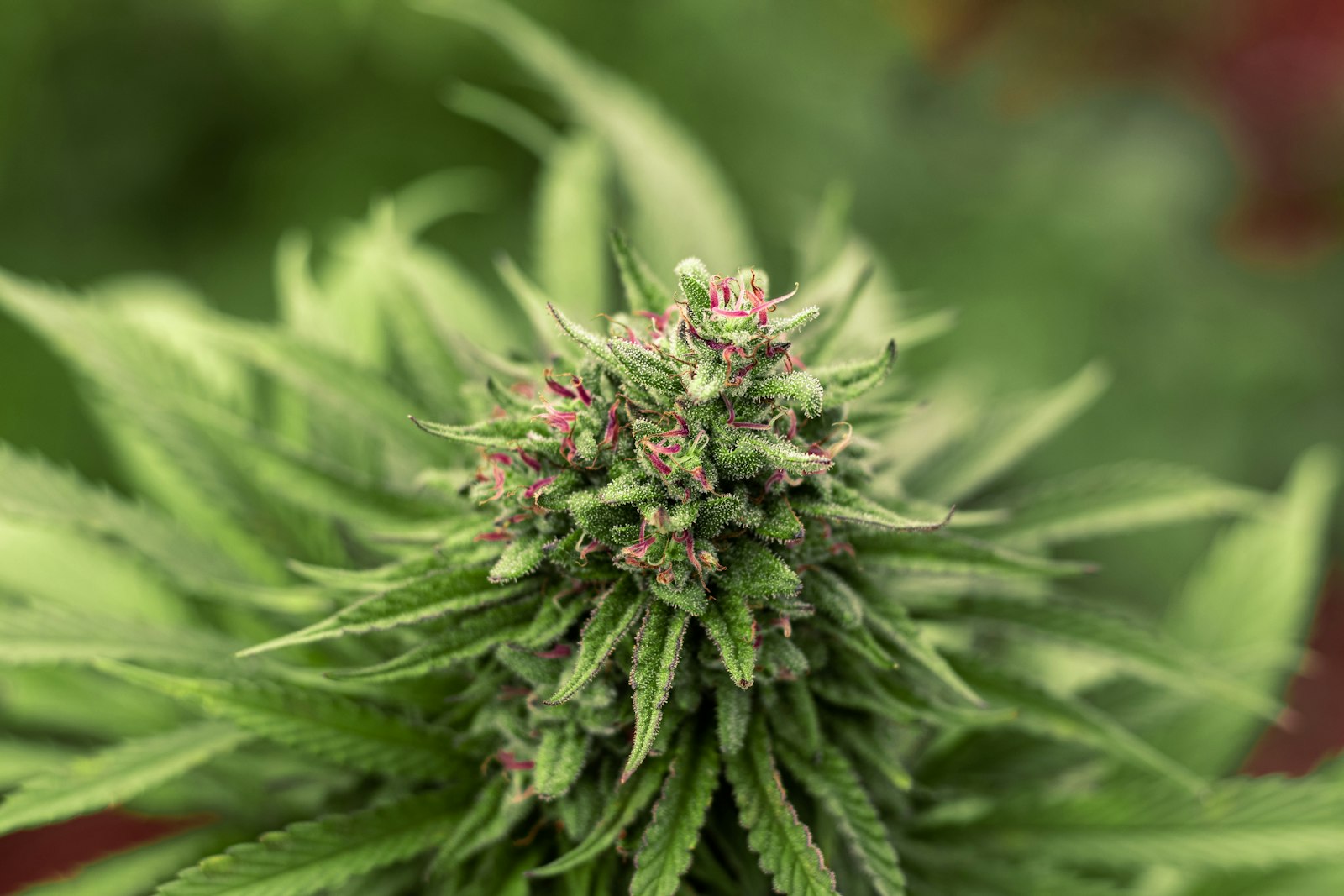
Our classic strain stories looks at other layered credits. The wild strain names article explores memorable naming, while our close-up plant guide examines the visible features that inspire so much language.
Two quick White Widow questions
Who created White Widow?
The primary accounts discussed here make competing claims. Shantibaba presents Black Widow as his original line; Ingemar describes his own creation and naming history. We are preserving that disagreement rather than declaring a verdict the documents do not settle.
Why does Black Widow appear in the story?
Shantibaba explains it as his renamed White Widow line after moving to Mr. Nice. That is a specific attributed history, not a blanket claim that any product bearing either name is identical.
Sources
- Shantibaba: Black Widow, primary breeder name-change and lineage account
- Grow! interview with Ingemar, reposted by De Sjamaan staff October25,2005
- Green House Seed Company: White Widow description and1995 award account
Series cover: original AI-assisted editorial illustration for Trap Snap LA. Photographs carry their own credits.
More questions about White Widow historical interviews
How long did Ingemar say White Widow took to develop?
In the archived Grow! interview, Ingemar describes six years of selecting and stabilizing plants before making the cross. This reports his stated timeline; it does not independently verify the breeding history or establish a universal development period. Ingemar’s archived interview.
When did Ingemar start working with cannabis?
He dates his first cannabis seeds to 1980, when he was 20, in the interview. That biographical detail describes his account of his career’s beginning, rather than dating White Widow’s commercial release. His first-person career recollection.
Tags: White Widow breeder origin dispute; White Widow name and spider story


