
How One Nug Photo Can Become Five Different Strains

Receipts Please · Episode 3 of 7
A reverse image search for weed pictures can expose a false caption even when the photograph itself has real pixels. Sometimes all the editing happens underneath it.
Here is a fictional teaching scenario, not an allegation about a real account: imagine the exact same unknown-flower photograph being posted five times. Each version gets a different cultivar name. The specimen stays the same. The captions do the traveling.
That is an overlooked part of fake weed photos. Fake can mean a fabricated image, but it can also mean an authentic photograph attached to an unsupported identity or backstory.
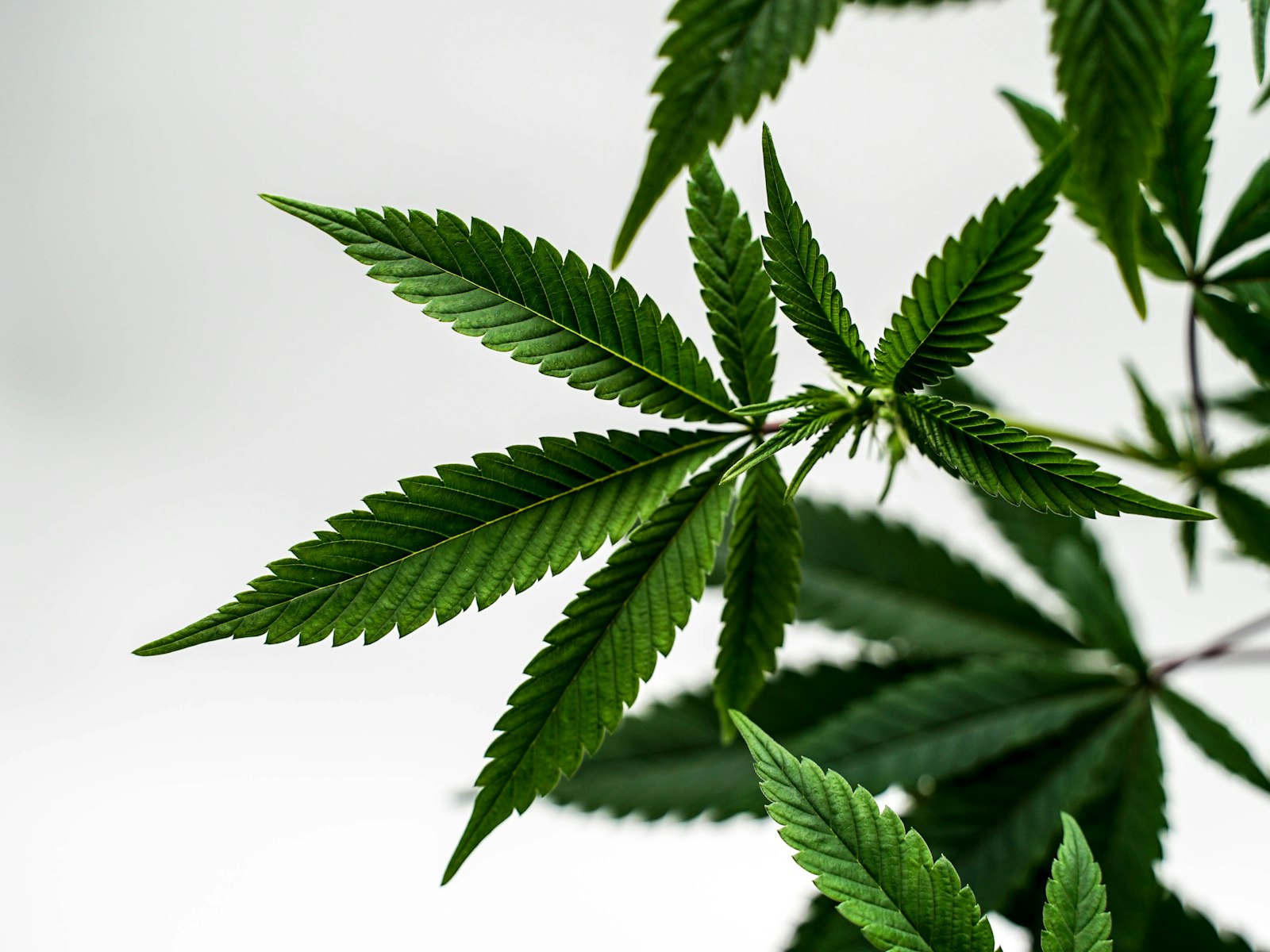
Same photograph, five imaginary captions
| Version in the fictional scenario | Invented caption assignment |
|---|---|
| Post one | Purple Punch |
| Post two | Gelato |
| Post three | Wedding Cake |
| Post four | OG Kush |
| Post five | Blue Dream |
These are recognizable names assigned only for this thought experiment. We have not identified the hypothetical flower as any of them.
If the image is identical, the five captions cannot establish five separate photographed specimens. Something else has to explain their different use: an illustration, a repost, a mistaken label, or a deliberate misrepresentation. The shared picture alone does not tell us which explanation applies.
Give one image its own detective story
Google’s image-search walkthrough — Try an image you own and follow the visual matches. The interesting part is seeing which crops and lookalikes the search brings back.
Match the image before debating the name
When comparing real posts, distinctive visual details help establish whether they use the same photograph. A broken edge, the position of a stem, a shadow, or an unusual cluster of stigmas can be more useful than a general impression of purple flower.
A crop may remove the background while keeping those same details. A mirrored version may reverse them. The question at this stage is image reuse, not the plant’s genetic identity.
Our cannabis close-up guide puts names to some visible structures. Recognizing anatomy makes the comparison more descriptive without pretending it establishes the cultivar.
An image search can recover context
Google’s official image-search guidance describes searching with an uploaded image or an image URL. Results can include related images and pages associated with the visual match.
In the fictional scenario, an earlier page might reveal that the photograph originally illustrated a general plant article, with no cultivar claimed. That would be useful context for assessing the later, very specific captions.
The earlier page would not magically identify the flower either. It would show how the image was previously presented. Source tracing reconstructs the publication story first.
The best result is not necessarily the first thumbnail in a search. Open the page and read how it uses the picture: as a specific specimen, a general illustration, an advertisement, or a repost of somebody else’s work.
First seen is not the same as first created
Google’s About this image documentation explains that its information may show when Google first encountered an image or a visually similar version. It may also show much earlier uses on other pages.
That is a useful timestamp with a specific meaning. It is not automatically the date the camera shutter clicked, nor proof that the earliest indexed page owns the photograph.
Keep the dates in their proper roles. A page publication date, an indexing observation, and a claimed capture date can all differ without describing the same event.
Metadata helps when its meaning stays clear
Image metadata can include creator information or editing history. Google also notes that some metadata can be modified, so the fields are evidence to evaluate rather than a universal guarantee.
More structured provenance systems have boundaries too. The C2PA Content Credentials explainer distinguishes information about a file’s origin and history from proof that everything depicted or claimed about it is factually true.
A record connecting a photograph to a creator can help establish the file’s publication story. It does not by itself prove that an unrelated repost’s strain caption is correct. The caption needs its own connection to the photographed specimen.
Reuse can be legitimate and still need a clear caption
A publisher may use a licensed general cannabis photograph on several articles. That is a different situation from presenting the image as a fresh photograph of each specifically named specimen.
The difference is the claim made around the picture. “Illustrative cannabis flower” communicates one thing. “This exact batch, photographed today” communicates several additional facts that need support.
Branding can amplify those claims through typography and design, as our packaging culture article explains. A convincing frame around the image is still a frame.
The useful reveal is about the source trail
In our fictional example, the five names are not five identifications. They are five unsupported assignments to one imagined photograph. Catching the shared image would tell you to examine that caption history, not accuse a particular real person.
Our internet cannabis claims guide starts with the same move: separate what the evidence shows from the story added to it.
The nug can look fire in all five versions. The names underneath still need their own receipts.
Sources
- Google Search Help: Search with an image
- Google Search Help: Learn more about an image
- C2PA 2.4: Content Credentials explainer
Series cover: original AI-assisted editorial illustration for Trap Snap LA. Photographs carry their own credits.
More questions about tracing a cannabis photo
Can I reverse image search a weed screenshot?
Yes. A screenshot saved as an image can be uploaded to Google Lens like another image file. Search the pictured flower, then open matching pages; decorative captions and borders can obscure what you are comparing. Google’s image-upload guidance.
Does no reverse image match mean a weed photo is original?
No. Google describes results as similar images and associated websites, not an exhaustive ownership register. An empty or unhelpful result leaves the source unresolved; it does not certify the picture. Google’s description of Lens results.
Is a weed photo without Content Credentials AI generated?
No. C2PA says adding provenance is optional and warns against judging trustworthiness solely by its presence. A file can also lose embedded provenance when processed. The C2PA FAQ.
Can an edited cannabis photograph still have Content Credentials?
Yes. Provenance can record modifications as well as creation. Check the recorded actions and signer rather than treating the badge as a claim that the picture was never edited. C2PA’s provenance explanation.
Tags: how to trace a reused cannabis photo, Content Credentials on cannabis photographs


