
Loud, Gas, Za, Exotic: Weed Slang Without the Extra Hype

Trap Snap LA editorial • Culture & Fun • 5 min read
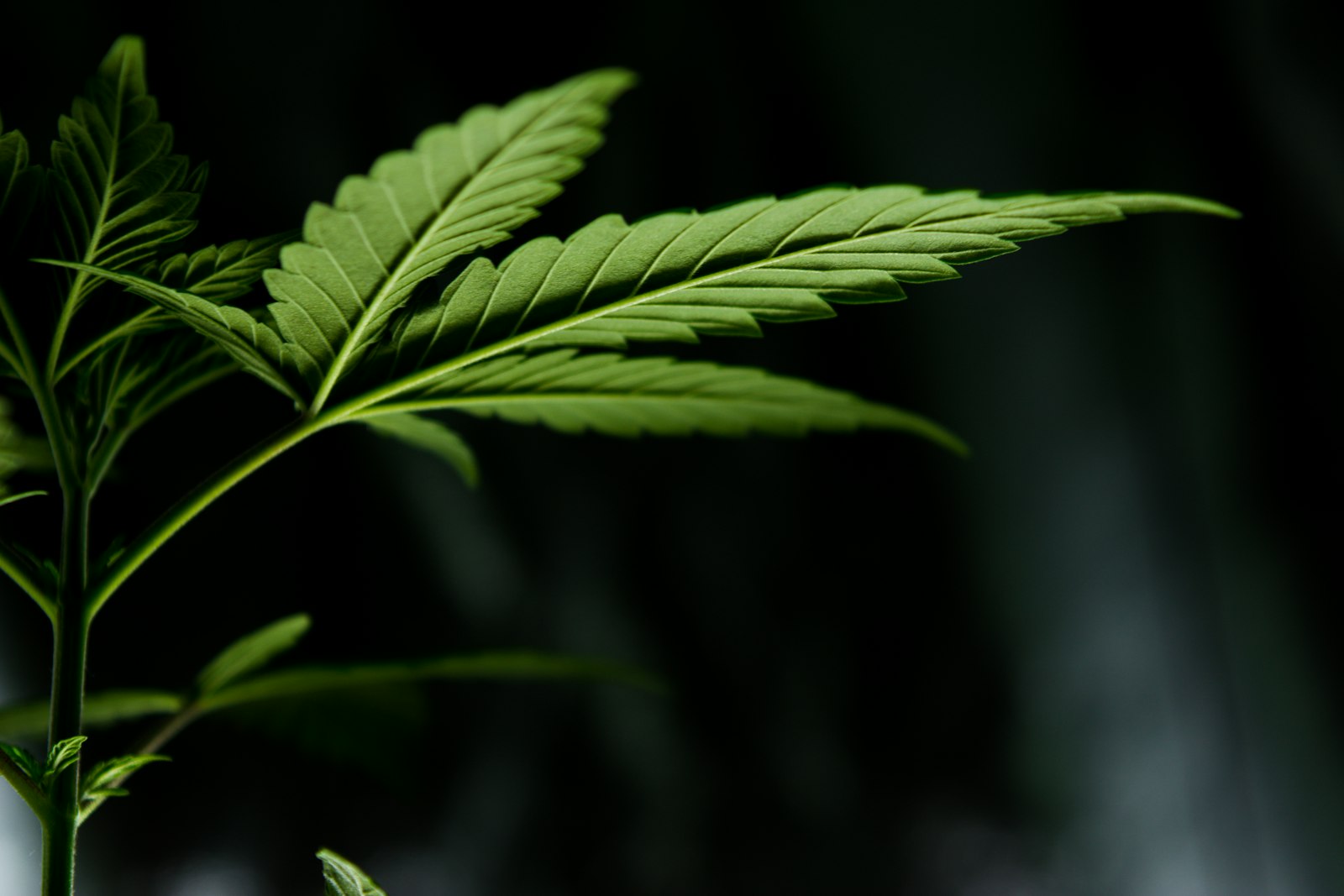
Cover photo: Esteban López / Unsplash.
Somebody calls it loud. Somebody else says gas. The next person says za, and now the group chat has somehow turned into a discussion about whether exotic is an actual category.
That is the thing about weed slang: the words make sense until everybody tries to define them like they are reading the same dictionary. They overlap, they change by location, and they can describe a smell, an opinion, or straight-up marketing.
Here is the useful translation. We can enjoy the language without giving a four-letter word the authority of a lab report. When you ask what does gas mean in weed slang, check whether the speaker is describing a smell or simply saying they like something.
Loud and gas: two words that usually start with the nose
Loud usually means cannabis with a strong, noticeable smell. The joke is that you can almost hear the smell announcing itself. Ganjapreneur’s slang entry also connects the word with a reputation for quality. That second part is somebody’s judgment, though. There is no official loudness scale.
Gas can describe a sharp, fuel-like aroma. Leafly’s gas glossary treats it as an aroma term. In everyday conversation, people also use gas as a general compliment, the same way they might call a song or an outfit fire.
Context does most of the work. “That smells gassy” is describing an aroma. “That whole album is gas” obviously is not a chemistry statement. Cannabis conversations can slide between those two meanings without anyone announcing the change.
If somebody says loud and you ask what they mean, that is a normal question. Strong smell? A particular scent? Just their favorite? You do not have to nod like they handed you a technical specification.
Za and exotic: a reputation, not a plant family
Za, often written zaza, is slang associated with cannabis people describe as unusual, premium, or exotic. Leafly’s glossary links zaza with exotic. Neither word identifies a scientific species, a verified pedigree, or a standardized grade.
Exotic is especially loose. It might mean an unfamiliar name, unusual packaging, a distinctive-looking flower, or simply something the speaker rates highly. The term does not automatically mean imported. A dramatic name and a space-themed bag do not tell you the geography.
Think about the word luxury on a candle. You understand the mood the brand is trying to create. You still need something more concrete if you want to know the wax, fragrance ingredients, or who made it. Exotic works in a similar way: it sets an expectation without answering every practical question.
That does not make the word useless. Slang is allowed to carry personality. The problem starts when personality gets presented as proof.
The real science is more interesting than the hype
A fuel or skunk-like smell is not evidence that somebody poured gasoline on a plant. In a 2021 ACS Omega study, researchers identified a family of volatile sulfur compounds associated with cannabis’s characteristic skunky aroma. Terpenes are part of the aroma conversation, but they do not explain every smell on their own.
The word on a bag cannot verify what is inside either. A 2015 genetic study found that cannabis strain names did not consistently identify a unique genetic identity. That finding is about the samples studied, not a claim that every name everywhere is fake.
So there are different kinds of information sitting next to each other: a nickname, a scent description, a historical strain name, and a measurable chemical result. Putting all four on the same label does not turn them into the same thing.
You can appreciate a good name and still keep those categories separate. Honestly, that makes conversations less annoying. Nobody needs a twenty-minute argument about whether a word someone used casually has a universal technical definition.
Translate the group chat
These are fictional example messages, made for this glossary. Guess what each one is actually communicating, then open the answer.
“It smells like straight gas.” What kind of statement is that?
An aroma description. The speaker is comparing a scent with fuel. They have not supplied a chemical analysis, potency measurement, or quality certificate.
“New exotic strain. Trust me.” How much information is there?
Mostly a claim and a mood. You still do not know the breeder, documented lineage, batch identity, or what the speaker means by exotic.
“This picture looks loud.” Can a picture tell you that?
Not literally. A photograph can show appearance. It cannot transmit a smell. The phrase is probably a compliment, not an observation about aroma.
The easiest way to translate slang is to ask yourself whether the person is naming something, describing it, or praising it. Sometimes they are doing all three at once. You can hear the enthusiasm without confusing it with evidence.
Put the same word in a different conversation and it changes jobs. Gas can be a scent description, a compliment on a beat, or something you put in a car. The surrounding sentence is usually the part that clears it up.
A small glossary rule that saves a lot of arguments
When a word is fuzzy, add one concrete detail. Instead of debating “gas” forever, describe whether the aroma seems sharp, earthy, citrusy, or skunky. Instead of insisting something is exotic, say which part seems unusual to you.
The funniest arguments happen when two people agree on the thing and disagree on the word. One says gas, the other says loud, and somehow everybody is defending a definition nobody wrote down. Add one plain description and the debate usually gets shorter.
Slang can stay fun. It just works better when nobody expects it to do a scientist’s job.
Quick questions
Is za a particular cannabis strain?
Usually it is a slang description, not one specific strain. A brand may use similar wording in a product name, but the slang by itself does not identify genetics.
Does loud mean higher THC?
The word does not establish a THC percentage. A strong aroma and a measured cannabinoid concentration are different observations.
Sources and further reading
- Ganjapreneur: loud glossary entry
- Leafly: gas glossary entry
- Leafly: zaza glossary entry
- Oswald and colleagues, 2021: volatile sulfur compounds in cannabis
- Sawler and colleagues, 2015: genetic structure of marijuana and hemp
More questions about weed slang
What does loud pack mean in weed slang?
Ganjapreneur’s glossary uses loud pack for a quantity of cannabis praised for strong aroma. It records cultural usage, not a measured grade or a fixed THC percentage.
Why do people shorten exotic to zaza?
Leafly’s glossary connects zaza with the shortening of exotic in rap and social-media language. That explains an association, rather than identifying one person as the verified inventor.
Are gas and fire always literal smell descriptions?
No. The slang glossary’s comparisons distinguish fuel-like gas language from fire as praise. A casual compliment can use the same word as an aroma note, so the sentence matters.
Is ZaZa the same thing as weed in every context?
No. The FDA also names Zaza among tianeptine products, which are a different substance category and carry serious risks. Cannabis slang should not be used to identify the ingredients of an unrelated named product.
Tags: what does gas mean in weed slang; loud pack and zaza slang meaning



4 thoughts on “Loud, Gas, Za, Exotic: Weed Slang Without the Extra Hype”