
Bud, Flower, Trees: Why So Many Words for One Plant?

Talk That Talk · Episode 3 of 7
Bud, flower, trees, herb, grass. Put those words beside each other and it sounds like somebody is describing an entire garden. In a cannabis conversation, they might all be pointing toward the same subject.
The difference between bud and flower in cannabis has a useful answer: bud is an everyday name commonly applied to cannabis flower material, while flower is the more directly botanical word. Neither phrase guarantees that the thing pictured is one single flower. The familiar nug is a clustered structure, which is where the close-up becomes interesting.
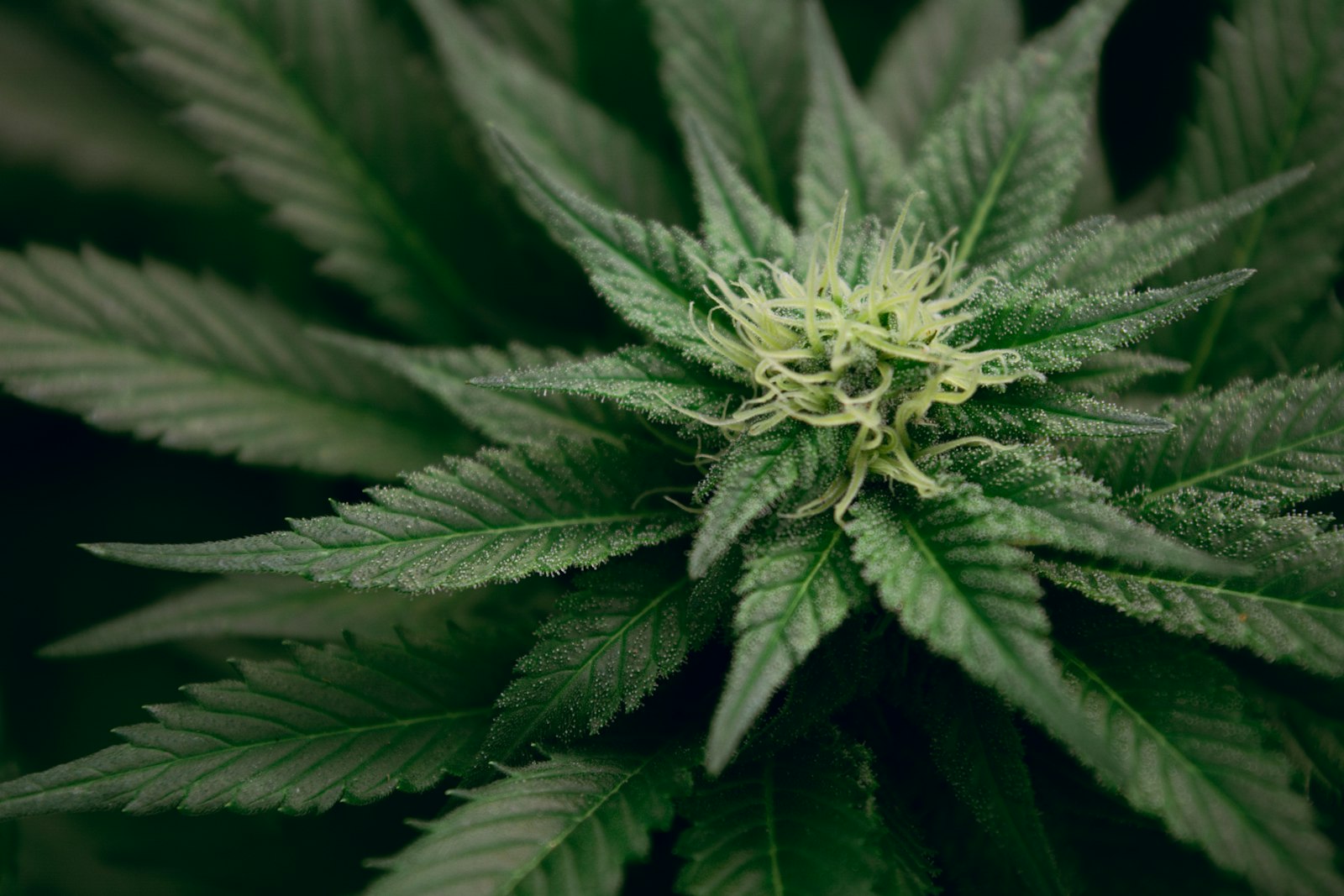
A nug is busier than the word bud suggests
A rosebud gives you a simple mental picture: one compact flower that has not fully opened. Cannabis imagery invites that comparison, but the details are different. The flowering portion contains many small flowers and associated plant structures gathered together.
The Canadian Food Inspection Agency biology document describes female cannabis flowers as small and numerous in clusters. Its botanical terminology is more exact than the everyday name nug. There are leaflike bracts among the structures you see, plus conspicuous stigmas and tiny surface hairs.
You do not have to memorize the whole diagram to notice the difference. A close-up of a nug has layers, folds and fine details. Treating all of it as one smooth object misses the visual part that makes it worth looking at.
Bud works conversationally because it is compact and familiar. Flower works because it points toward the reproductive structures of the plant. Both can be useful without being interchangeable in every botanical sentence.
One plant, a crowded nickname list
Browse the weed-slang dictionary — See how many names you use without thinking, then notice the ones that would sound completely wrong coming from you.
Flower changes the picture in your head
Call something weed and the mental image depends heavily on the listener. Call it flower and the image moves toward a plant part. That shift is small, but it changes the tone of a caption or conversation.
Flower also fits beside other ordinary plant nouns. Stem, leaf, fruit and flower sound like parts of an organism. Gas, loud and fire sound like descriptions or judgments. The two groups answer different questions: what are we looking at, and what does somebody think of it?
An imagined caption reading purple flower gives a shape-and-color starting point. An imagined caption reading purple gas adds enthusiasm but much less anatomical information. Neither sentence is wrong as casual language. They simply do different jobs.
This is why a photograph can benefit from one precise noun even when the rest of the caption is relaxed. The noun tells the reader where to look. The slang carries the voice.
Trees is a metaphor with an excellent internet side effect
Cannabis is not botanically a tree. The CFIA document identifies Cannabis sativa as an annual herbaceous plant. Trees in this conversation belongs to the metaphor category, along with grass and other borrowed plant words.
The visible example is Reddit itself: r/trees discusses cannabis, while r/marijuanaenthusiasts discusses actual trees. The neighboring names are a useful reminder that a community can make an apparently inaccurate word feel perfectly clear once the context is shared.
That is the fun of a metaphor. You are not forced to imagine literal bark every time somebody uses trees. A familiar community supplies the missing meaning. Outside that community, the same word may send the reader toward a completely different picture.
A language joke can last much longer than the explanation that created it. You can enjoy the two subreddit names today without claiming a precise origin date or inventing the conversation that supposedly started them.
Herb and grass keep things deliberately broad
Herb can describe a category of plants or work as an everyday cannabis term. Grass is another ordinary plant word repurposed in conversation. Their broadness is part of the appeal: they feel less like a label on one particular object and more like a shared understanding.
The downside is that broad words become slippery outside the shared context. A person reading about culinary herbs or lawn grass is having a different conversation. The surrounding sentence does the translation.
Compare the imaginary lines the herb has serrated leaves and the herb goes beside the pasta. Same noun, different subject. The reader usually resolves it instantly because the rest of the sentence gives enough clues.
Cannabis slang is full of these quiet context checks. They happen so quickly that familiar speakers rarely notice them until a newcomer asks a perfectly reasonable question.
Better names make better close-ups
The most useful combination is relaxed language with accurate detail. You can call a nug bud and still identify a stigma in the picture. You can use trees in a casual caption and call a leaflet a leaflet when the discussion turns to anatomy.
Precision becomes helpful when a difference matters. Leaf versus flower is a physical distinction. Orange stigma versus clear glandular hair is another. Choosing the right word lets somebody notice the feature without making the entire conversation sound formal.
So the plant can keep its many names. Bud feels familiar, flower brings the anatomy closer, and trees keeps an old metaphor alive. The interesting part is watching the image change as the noun changes. One plant can carry a garden’s worth of vocabulary without growing a trunk.
Sources and further reading
- Canadian Food Inspection Agency: biology of Cannabis sativa
- UC Davis: hemp reproductive plant parts
- Leafly: weed slang dictionary
Series cover: original AI-assisted editorial illustration for Trap Snap LA. Photographs carry their own credits.
Questions about bud, flower and cannabis anatomy
What is a bract on a cannabis flower?
A bract is a specialized leaf associated with a flower. UC Davis illustrates the perigonal bract developing around the ovary, explaining why a nug contains more than petals. UC Davis reproductive-anatomy guide.
Are the orange hairs on weed whole pistils?
The visible strands are stigmas, which form part of the pistil. UC Davis distinguishes the stigma, style and ovary; calling each visible strand an entire pistil compresses that anatomy. UC Davis pistil anatomy.
Do male cannabis plants have flowers too?
Yes. UC Davis describes male flowers with stamens, including pollen-bearing anthers and supporting filaments. Female flower clusters and male flowers are different reproductive structures. UC Davis male-flower anatomy.
Is a cannabis seed technically a fruit?
The CFIA botanical review distinguishes the true seed from the surrounding achene, a dry one-seeded fruit commonly called a seed. Everyday vocabulary can name the whole object less precisely than a botanical description. CFIA fruit and seed terminology.
Tags: difference between cannabis bud and flower anatomy; cannabis bracts stigmas and seed fruits.


