
An Ancient Shrine Had Cannabis Residue. The Tiny Details Matter.


Weed History · Episode 3 of 7
Two old stones and a dark stain do not look like the beginning of a cannabis plot twist. They look like the sort of museum objects somebody walks past on the way to the dramatic statue.
The Tel Arad cannabis residue became the story. A 2020 study investigated two altars in a Judahite shrine. The finding is remarkable. It also works best when we keep the microscope on the actual evidence instead of inventing a complete ancient smoke session around it.
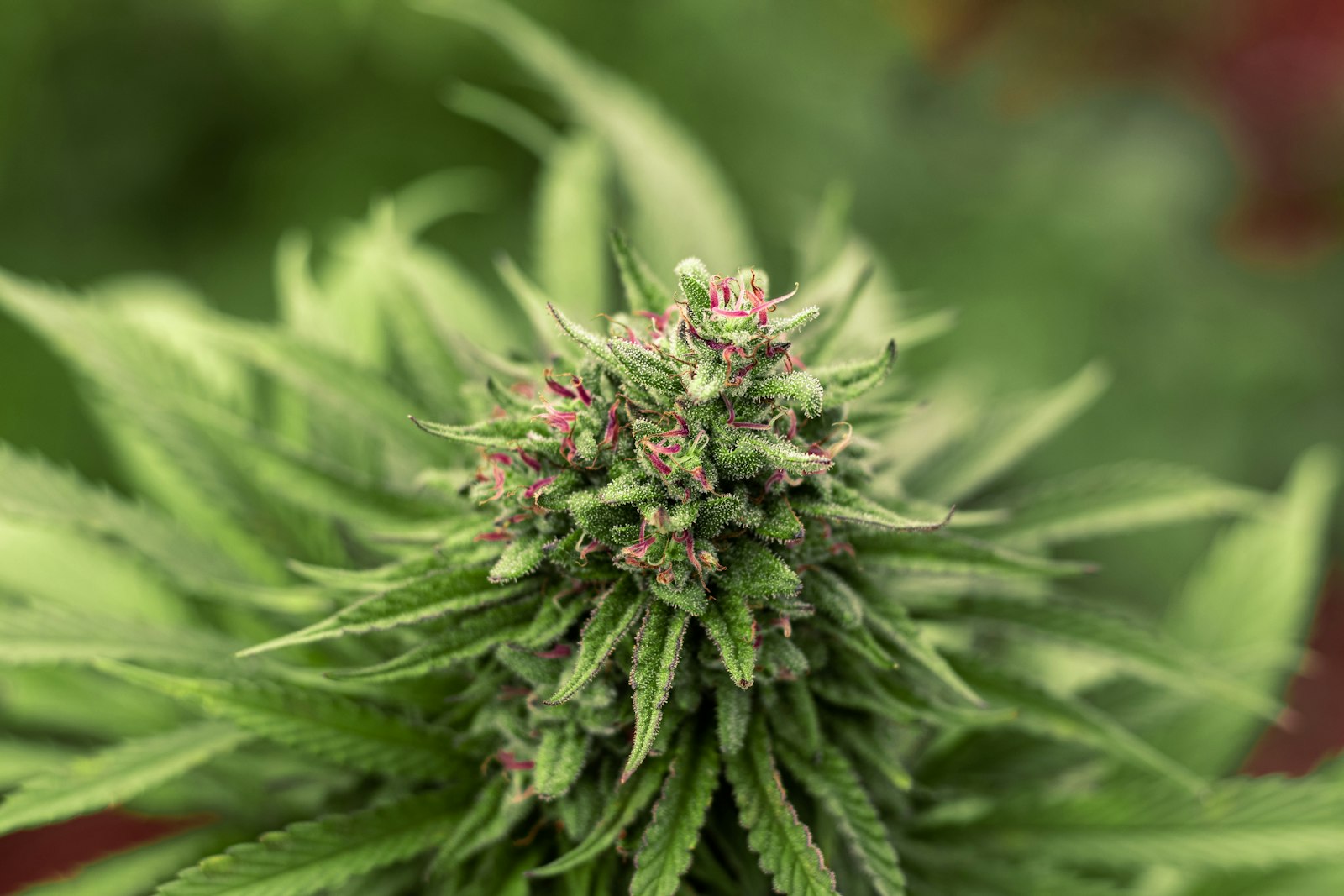
The small altar delivered the surprise
The smaller altar yielded THC, CBD, CBN and aroma compounds. The authors inferred burned cannabis flowers. Two independent laboratories analyzed material from the altars.
That is a much more specific statement than “ancient people had weed.” It tells us what was sampled, which sort of chemical evidence was found and the interpretation proposed for that location.
Specificity does not make the finding less fun. It gives the surprise a real shape. A tiny remaining trace can change what an ordinary-looking object means to us.
See the shrine up close
The Arad shrine in the Israel Museum — Zoom into the museum reconstruction and find the two small altars. They look almost too ordinary for the story they ended up carrying.
The other altar had its own aromatic story
Frankincense-related compounds were found on the larger altar. The objects belong to eighth-century BCE Arad. Those different results give the pair a more interesting story than a single headline suggests.
The paired result matters because it encourages a richer question: what distinct roles might these objects have had within the same setting? Two similar-looking stones do not have to tell the same story.
For the exact materials and proposed heating interpretation, read the paper rather than turning the finding into a reconstruction recipe. The evidence is interesting as archaeology; reproducing a guessed ritual would add assumptions the objects cannot confirm.
Residue analysis is more than spotting a stain
Dark material is the thing that invites investigation, not the result itself. The paper’s chemical analysis matters because appearance alone cannot name a mixture.
A NIST overview of gas chromatography–mass spectrometry explains the combination of separation and molecular analysis used to examine components in mixtures. Think of the difference between looking at a crowded photograph and having tools that help distinguish who is actually in the frame. The analogy is imperfect, but it gets you past “somebody saw a dark patch and guessed.”
Our cannabis close-up game explores what visual details can reveal. Here the important clue went further than the visible surface: the researchers needed analytical evidence.
Do not give the altar an imaginary group chat
The modern temptation is obvious. We recognize cannabis and immediately picture familiar jokes, habits and personalities. That makes an unfamiliar past feel accessible. It can also overwrite the setting we are trying to understand.
A residue finding does not record a participant’s exact experience. It does not provide an entire ritual script, identify everybody present or establish what every other shrine was doing. Those are bigger questions.
We should also avoid using one site to declare a universal practice across a religion, region or era. The exciting claim is already substantial: a particular archaeological context contains meaningful chemical evidence. Expanding it until it sounds like every ancient person was secretly one of us would make it weaker.
The best caption keeps two dates visible
There are two kinds of time in this story: the historical setting of the objects and the modern date of the published analysis. A good caption keeps both available. Otherwise a reader can confuse when a thing happened with when researchers investigated it.
That distinction is especially handy for dramatic archaeology headlines. “New study” means new research, not a newly performed ancient event. An old object can gain a new interpretation, and that interpretation remains open to scrutiny.
Try our cannabis history quiz for other unlikely-sounding stories. If the science side is your favorite part, our cannabis aroma article follows a different case where chemical evidence changes a familiar conversation.
Two questions about the Tel Arad finding
Was the claim based only on an ancient image of a plant?
No. This is a residue-analysis study of material from archaeological objects. That evidentiary route is the reason the story deserves more attention than a resemblance spotted in a picture.
Does the discovery tell us exactly how ancient worshippers felt?
No. Material evidence can support an interpretation of what was used while leaving many human details unknown. That is not a disappointing ending. The gap between a surviving trace and a lost experience is what makes archaeology so compelling.
Sources
- Arie, Rosen and Namdar: Cannabis and Frankincense at the Judahite Shrine of Arad, Tel Aviv (2020)
- University of Haifa: original study abstract and publication record
- NIST: Gas Chromatography–Mass Spectrometry, 2019 overview
Series cover: original AI-assisted editorial illustration for Trap Snap LA. Photographs carry their own credits.
More questions about the Tel Arad cannabis study
Who published the Tel Arad cannabis residue study?
Eran Arie, Baruch Rosen and Dvory Namdar authored Cannabis and Frankincense at the Judahite Shrine of Arad, published in Tel Aviv in 2020. University of Haifa publication record.
Were the Tel Arad altars made of wood or stone?
The study describes two limestone monoliths interpreted as altars. The residue finding concerns material on their upper surfaces, not a preserved cannabis pipe. Study abstract.
Does Tel Arad prove cannabis was burned in the Jerusalem Temple?
No. The sampled objects came from the shrine at Tel Arad. Extending that site-specific result to a different temple would require evidence from that other context. Study's stated archaeological context.
Tags: Tel Arad cannabis residue study evidence; ancient Judahite shrine cannabis archaeology.


