
Who Gets to Name a Weed Strain, Anyway?

Name Game · Episode 2 of 7
Somewhere, a real plant became Garlic Budder. Another became Space Queen. Somebody looked at an entry and decided it should be called Chronic rather than a string of laboratory-style numbers.
That makes “who names weed strains?” a better question than it first appears. A name has a creator, but the name people recognize can also be shaped by collaborators, commercial presentation and the people repeating it.
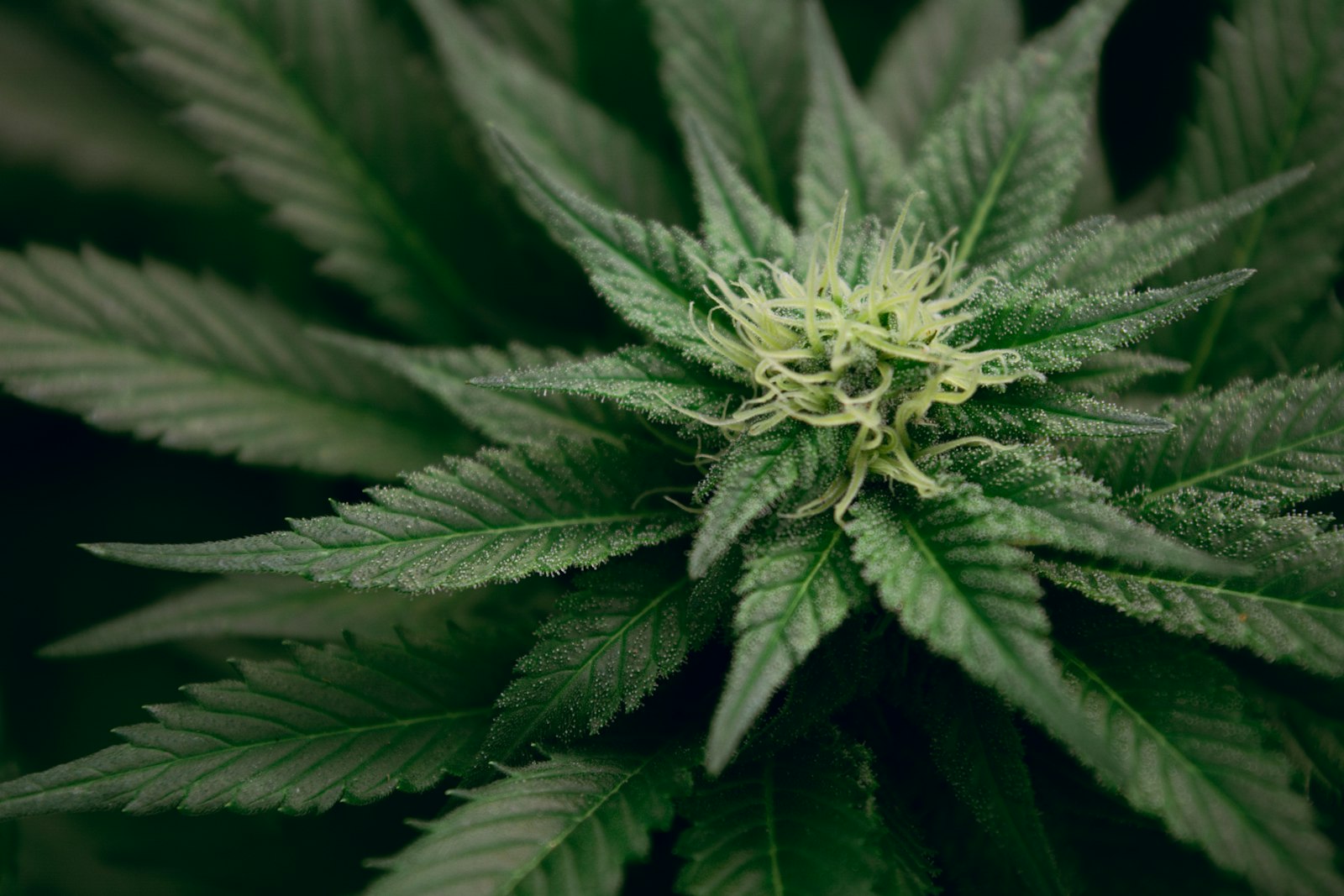
A breeder can supply the original name and account
Serious Seeds’ company history describes founder Simon’s breeding work and the company’s early named varieties. It is a firsthand institutional account that connects actual people, plants and a business timeline rather than treating cultivar names as if they appeared by themselves.
That is often the best starting point for a naming story: who developed or selected the line, and what did they publish about it? A creator may explain the name, list the ancestry or give the date of a release. Those are different useful details.
A creator can also decline to explain everything. If a record gives a name but no naming anecdote, the missing anecdote is not an invitation to invent one. The choice may still be worth discussing as language.
Meet the people behind the names
Serious Seeds’ origin story — The company’s own backstory gives the names a human setting. It is more interesting than imagining a random-name button.
Collaboration complicates the single-genius story
Cookies’ official account of its breeding collaborators identifies Powerzzzup and Ridgeline Farms. That is a reminder that the organization presenting a cultivar and the people contributing breeding work can have different roles.
A finished name can therefore sit inside a collaboration rather than belong to one easily summarized origin scene. The public-facing brand, the breeder and the creative presentation may all deserve separate credit.
This resembles a song release. The artist’s name on the cover does not erase the producer, writer or label. A good cannabis history similarly avoids collapsing every role into the most recognizable person.
A nickname can become the name people remember
A numbered identifier is useful inside a record. A nickname is easier to repeat in conversation. When both exist, the informal name may become more familiar than the identifier that distinguishes a selected plant.
That is not automatically a problem. Human language likes shorthand. A concise nickname can help a complicated subject travel, just as a short album title is easier to remember than a catalog number.
The important part is keeping the connection between the nickname and its source visible. Our strain origin stories separate breeder accounts, dated evidence and repeated lore. The same approach helps when a nickname has overtaken the original wording.
The cultivar, the product and the brand are different layers
A cultivar name identifies what someone calls a plant line or selection. A product name identifies a particular commercial presentation. A brand name identifies the organization or identity behind that presentation. These layers can share words without becoming identical.
The USPTO’s general explanation of trademarks focuses on words and designs used to identify the source of goods or services. That commercial-source function is different from a botanical description. A catchy plant name and a recognizable business identity can interact while doing different work.
This is a language distinction, not instructions for obtaining or avoiding legal rights. For a historical example of the distinction becoming consequential, the Gorilla Glue dispute turned a familiar cultivar phrase into an argument about commercial branding.
The people repeating the name give it a second life
Once a name enters culture, people shorten it, explain it to friends, joke about it and attach memories to it. A creator can choose a phrase. They cannot write every conversation in which it will appear.
That second life is why some names become much bigger cultural references than their original descriptions. The word might be funny to say, easy to recognize or connected with a familiar image. Those are observations about how a phrase works, not proof of a creator’s private intention.
Our unusual strain name collection shows how much personality can fit into a few words. The records underneath add the people and context.
Good naming history credits the work
The answer is rarely “the internet named it” or “the brand did everything.” A useful account identifies the roles the available evidence actually describes: breeder, collaborator, brand, or later speaker.
The name is the part everyone sees. The interesting story is the set of decisions and people behind it—and the way a few words can leave that original context and become common language. When asking how weed strain names are chosen, keep the breeder’s naming story separate from what a trademark means commercially.
Sources
Series cover: original AI-assisted editorial illustration for Trap Snap LA. Photographs carry their own credits.
Questions about who names cannabis strains
Does a trademark on a weed name certify its genetics?
No. USPTO explains trademarks as identifying commercial source. That function is different from testing a plant’s pedigree or chemical composition.
Does TM mean a strain name has a federal registration?
No. USPTO says TM can indicate a trademark claim without a filed or completed registration. The symbol alone should not be turned into a registration claim.
Does registering a trademark mean owning a word in every context?
No. USPTO explains that trademark rights relate to use with specified goods or services. A general word appearing in a cultivar name does not automatically establish an unlimited right over the word.
Did Serious Seeds say it chooses a new name every year?
No. The company’s history says it does not aim to release something new annually for commercial or competition reasons. That is one breeder’s stated policy, rather than a rule governing everyone’s naming process.
Tags: who chooses weed strain names; cannabis cultivar names vs trademarks


