
When a Strain Name Meets a Trademark Lawyer

Name Game · Episode 7 of 7
A cannabis name and an adhesive name ended up in the same court case. That is the surprisingly literal setup of The Gorilla Glue Company v. GG Strains LLC, a trademark dispute filed in 2017. The Gorilla Glue strain lawsuit shows how a memorable plant name can also become a commercial trademark dispute.
The story begins with the kind of naming anecdote that makes sense in casual conversation. It becomes more complicated when a memorable phrase starts identifying a business and its commercial offerings.
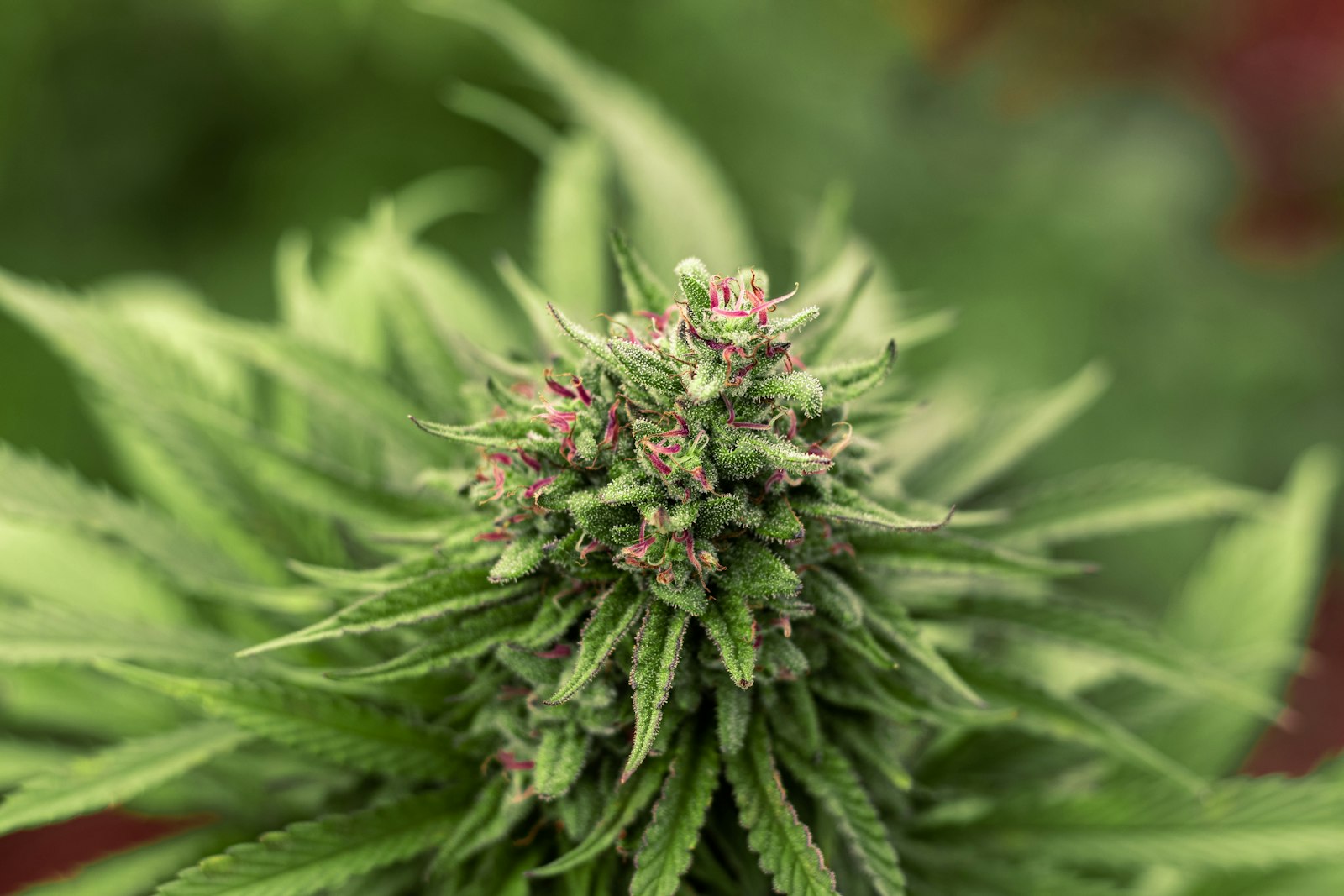
The Gorilla Glue strain name and its reported origin
In a November 2017 Cannabis Business Times interview, co-creator Ross Johnson recounted Don Peabody noticing a phone sticking to his hands and comparing the sticky material with Gorilla Glue. Johnson described the naming as a joke rather than a planned brand strategy.
That is a creator’s retrospective account, clearly attributed. The detail works because the phrase gives the listener an immediate picture. A familiar comparison becomes a nickname without a lengthy explanation.
It is also easy to see how the phrase could outgrow that original moment. What begins as a comparison can become the main word people repeat, search for and recognize.
The name-change plot twist
The Gorilla Glue naming story — Read the naming dispute as a brand story: a memorable nickname meets a company that already owns a very memorable logo.
The dispute has a dated case record
The federal docket records The Gorilla Glue Company as plaintiff and GG Strains LLC as defendant, with a March 24, 2017 filing in the Southern District of Ohio. The case is identified as a trademark matter.
A filing establishes that a claim was brought. It should not be described as if it were a final judicial finding that every allegation was true. That distinction keeps the history accurate without making the story difficult to follow.
Here, the unusual pairing of the parties is interesting enough. A household adhesive business and a cannabis naming project were arguing about the commercial use of a familiar phrase.
The reported settlement produced a naming transition
Cannabis Business Times reported a 2017 settlement and rebranding, drawing on a company release and interviews with GG Strains representatives. Its account connects Gorilla Glue #4 with GG4 or Original Glue, #5 with GG5 or New Glue, and #1 with GG1 or Sister Glue.
That creates a particularly visible naming history: a familiar old phrase, numbered identifiers and replacement names circulating around the same reported projects. The transition can explain why older discussions and later descriptions use different wording.
The report also describes changes to packaging and marketing. The dispute therefore affected how the identity appeared in public, beyond the words in a casual conversation.
A plant name and a commercial identifier do different work
The USPTO explains a trademark as a word, design or other sign that identifies the source of goods or services. A reported breeding history answers a different question: which plant line or selection someone is describing.
The two can meet on a label. A name may be used both to talk about a cultivar and to identify a commercial source. That overlap is the reason a naming story can become a branding story.
This article discusses a historical case and the distinction between those functions. It does not provide a current legal ruling for other cannabis names or instructions for registering a mark.
The old name can persist in cultural memory
People do not all update their vocabulary on the date a commercial presentation changes. An earlier name can remain familiar in old articles, conversations and memories even while the official presentation moves on.
That is why naming histories benefit from both versions and dates. A reader can understand a transition without assuming that every later use is an authorized alias or that every matching label identifies the same source.
Our cannabis packaging article looks at the broader relationship between names, graphics and recognizable identity. The Gorilla Glue story provides a concrete historical example of those layers changing together.
The joke became part of a business history
The interesting turn is that the same quality making a phrase easy to remember can make it commercially important. Recognition gives a name cultural momentum, and that momentum can attach it to a much larger identity than the original joke.
Our strain origin stories guide follows other names through breeder accounts and dated records. This one adds a case number and a reported rebranding to the timeline.
A sticky comparison supplied the story people remembered. The dated dispute explains why the name’s later history is more complicated than the anecdote alone.
Sources
- The Gorilla Glue Company v. GG Strains LLC: docket
- Cannabis Business Times: Gorilla Glue vs. Gorilla Glue, November 1, 2017
- USPTO: What is a trademark?
Series cover: original AI-assisted editorial illustration for Trap Snap LA. Photographs carry their own credits.
Frequently asked questions about cannabis names and trademarks
Does a trademark owner own a word in every context?
No. USPTO explains trademark rights in connection with particular goods or services. The name identifies commercial source within that scope; it does not create general ownership of a word wherever it appears. USPTO trademark explanation.
What is the difference between TM and the registered trademark symbol?
TM can identify a trademark claim without federal registration. USPTO reserves the registered symbol, ®, for a federally registered mark used with the goods or services covered by its registration. USPTO trademark explanation.
Is a trademark the same thing as a patent on a cannabis plant?
No. A trademark identifies commercial source. A patent concerns an invention; copyright protects original creative expression. Whether a particular plant or product has protection requires checking the relevant record, not just the name. USPTO intellectual-property comparison.
Tags: Gorilla Glue strain trademark dispute history, cannabis strain names versus trademark rights


