Top 5 Cannabis Concentrate Brands in 2026

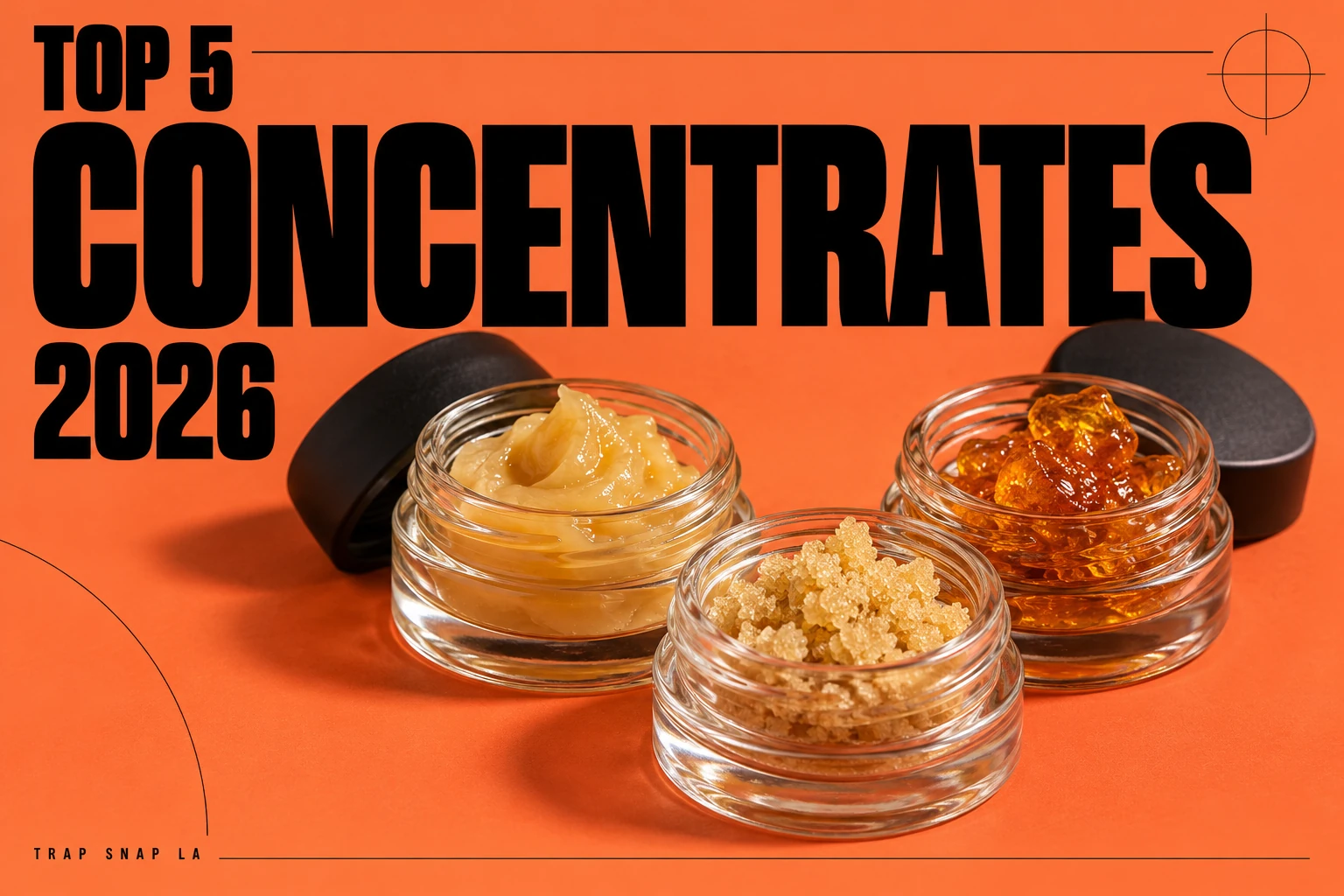
The best cannabis concentrate brand question gets easier once you decide what category you are researching. A rosin specialist, a producer with several resin textures, and a traditional hash maker can all deserve attention while offering very different products. Cannabis concentrate testing is another useful comparison: a named extraction method and a batch laboratory result describe different parts of the product.
Our five-brand 2026 shortlist is 710 Labs, Raw Garden, Green Dot Labs, AbsoluteXtracts, and Nasha. Rather than award one logo a universal crown, this guide explains what each example contributes to a useful concentrate comparison.
How we chose the five brands
We selected brands with documented concentrate lines and different catalog structures. Manufacturer pages establish the named examples; our editorial assessment explains why those examples help readers understand the shelf. There is no claim that we personally tested the products, surveyed all American stores, or established national popularity.
The list focuses on concentrate identity. It avoids scoring a company solely by one percentage or a dramatic product photograph. A stronger comparison looks at a specific line, its category, the available batch information, and the producer’s explanation.
The five brands and their comparison roles
| Brand | Verified example | Research role | Important distinction |
|---|---|---|---|
| 710 Labs | Persy Rosin Badder | A named cold-cure line | Badder format and rosin category |
| Raw Garden | Live Badder Concentrate | A clearly named concentrate listing | Exact line rather than brand alone |
| Green Dot Labs | Live Resin and Live Rosin categories | Catalog navigation | New names versus old label colors |
| AbsoluteXtracts | Dosi-Cake Concentrate | A cultivar-specific product example | Current item description |
| Nasha | Cold Cure Live Rosin | Hash-maker catalog expansion | Rosin versus pressed hash |
1. 710 Labs: a specifically labeled cold-cure example
710 Labs identifies Persy Rosin Badder as a cold-cure form of its 90-micron fresh-press rosin with an opaque, badder-like consistency.
That example is useful because the name keeps both category and format visible. Rosin describes one part of the product identity; badder describes another. Removing either word makes the comparison less informative.
Use the line to ask a focused question: are you comparing cold-cured rosin with another cold-cured rosin, or are you learning how formats differ? Both are valid projects, but they require different tables. A general brand ranking often hides that choice and ends up comparing unlike products.
The practical takeaway is to preserve the whole title when recording a release. A retailer’s shorthand can be convenient on a menu while leaving out exactly the detail you need for an article or side-by-side comparison.
2. Raw Garden: start with the exact concentrate line
Raw Garden has a dedicated Live Badder Concentrate page. Its broader concentrate collection also lists Live Sauce, live rosin, and diamond formats.
We include the brand as a reminder that one familiar name can cover several concentrate categories. A comparison should identify which line is being discussed instead of using a single generic description for all of them.
For a practical research record, begin with the exact product name on the current label, then add cultivar and weight. If an online description is unclear, use the dedicated line page as a starting point and request confirmation from the retailer.
This makes the brand useful for a catalog-level comparison, but it does not establish that every line deserves the same evaluation. Keep a sauce example separate from a rosin example when describing what the producer offers.
3. Green Dot Labs: clearer category navigation
Green Dot Labs says its refreshed structure uses Flower, Live Resin, and Live Rosin categories in place of the older Black, Blue, and Silver Label system. That change is documented on its official website.
This is especially useful when older reviews and current menus appear in the same search. Color-based descriptions may belong to an earlier catalog structure. Use current category names for a new comparison, and clearly date any historical reference.
The producer’s naming system is the point of interest here, not a claim that a rebrand changes the quality of a particular batch. Category clarity helps readers find the right product page. It cannot replace the information on the current jar.
When a menu mixes old and new wording, ask which exact line it represents. A short clarification is better than treating a label color as a permanent technical definition.
4. AbsoluteXtracts: cultivar-specific concentrate identity
AbsoluteXtracts’ manufacturer page identifies Dosi-Cake Concentrate as a 1-gram product with live resin as its ingredient. That gives the comparison a documented category and quantity.
We use Dosi-Cake as a named example instead of assuming that every product under the company name has one formulation. It gives readers a specific item to match against a retailer’s description.
The useful question is how complete the current listing is. Does it name the line, show the weight, and identify the batch? If the text only says concentrate, ask for the label before categorizing it more narrowly. A famous cultivar name alone does not tell you the final format.
This pick also illustrates why a brand catalog and a retailer menu serve different purposes. The catalog documents what the company identifies; the menu helps establish the local item available at the time of your research.
5. Nasha: cold cure alongside traditional hash formats
Nasha describes Cold Cure Live Rosin as a product made from flash-frozen flower with a wet, badder-like final consistency. The page distinguishes it from its traditional pressed and unpressed hash offerings.
Its role on this list is breadth within a clearly identified hash-focused catalog. Readers can explore a producer’s different formats without calling every item simply hash and losing the distinctions.
If you are comparing Nasha with another brand, choose the exact format first. Cold-cured live rosin belongs beside another documented rosin example. A pressed hash product answers a different comparison question. The same logo on both does not make them interchangeable.
That is the value of a broad brand guide: it should help readers choose the right branch of the catalog, then send them toward a more specific product comparison.
A useful brand comparison needs two levels
At the first level, compare the catalogs: which concentrate categories are clearly documented, how products are named, and how easy it is to find the producer’s explanation. At the second level, compare the actual products: exact line, cultivar, weight, batch, and current label information.
Do not let success at the first level automatically answer the second. A company can have an easy-to-understand website while a particular retailer listing remains incomplete. Conversely, a well-documented local batch can be worth researching even when the brand is less familiar online.
Use your priorities to choose what to investigate next. A reader interested in cold cure can begin with the named examples here. Someone studying catalog terminology can compare Green Dot’s current structure with older descriptions. Someone comparing several formats should put those formats in separate rows.
What to keep out of a top-five concentrate ranking
Leave out unsupported claims of nationwide availability, guaranteed effects, and supposedly universal quality grades. Also avoid repeating a percentage from one old listing as if it described every future release. Those shortcuts make a guide sound confident while making it harder to verify.
Keep pricing attached to equivalent quantities and a named date and retailer. If you do not have that record, discuss the questions a price comparison needs to answer rather than inventing a national average.
These five brands earn a place in the guide because their documented lines show different ways to organize the concentrate shelf. Use the shortlist to find the correct category, then let the exact product record carry the comparison.
Frequently asked questions
Which concentrate brands are on the 2026 shortlist?
710 Labs, Raw Garden, Green Dot Labs, AbsoluteXtracts, and Nasha. Each is discussed through a verified product example or a clearly documented concentrate category.
Can one concentrate brand be the best for every format?
This guide does not establish that. Compare catalog information first, then compare exact products within the category you are researching.
Should I use Green Dot's old label colors as current category names?
Check the current manufacturer structure. Green Dot says its refreshed lineup uses Flower, Live Resin, and Live Rosin instead of the older Black, Blue, and Silver Label system.
What details should a concentrate comparison include?
Include the exact line, cultivar, final format, net weight, batch information, current price context if used, and links supporting the product identity.
Sources and research notes
Research checked October 4, 2026. Manufacturer descriptions establish product identity and advertised specifications; they do not establish an independent performance ranking. Retail stock, batches, and labels can change.
- 710 Labs: Persy Rosin Badder
- Raw Garden: Live Badder Concentrate
- Raw Garden: concentrate collection
- Green Dot Labs: current product structure
- ABX: Dosi-Cake Concentrate
- Nasha: Cold Cure Live Rosin
Related reading
Explore these practical cannabis guides:
- Live resin versus live rosin
- Wax, shatter, budder, and crumble explained
- Distillate versus live resin
More from our 2026 comparison series:
More from our 2026 comparison series
More questions about cannabis concentrate testing
Does solventless concentrate still need pesticide testing in California?
Yes. California requires licensed cannabis goods to undergo batch testing, including residual pesticides. A solventless production description does not replace that separate test result. DCC batch-testing requirements.
Is a residual-solvent test the same as a heavy-metal test?
No. DCC lists residual solvents and processing chemicals separately from heavy metals. A result for one category should not be presented as the result for the other. Separate DCC testing categories.
Can a QR code replace required information on a California concentrate label?
No. DCC does not accept a QR code or website as supplemental labeling separated from the product. Required information must remain on the label or an allowed attached supplemental label. DCC supplemental-label requirements.
Tags: solventless concentrate pesticide testing California, cannabis concentrate residual solvent versus metal testing

Trap Snap LA editorial note: Related reading for this comparison: Live resin versus live rosin and Top 5 Live Rosin Concentrate Brands in 2026.