Best Lower-Dose THC Drinks in 2026: 5 Labels Compared

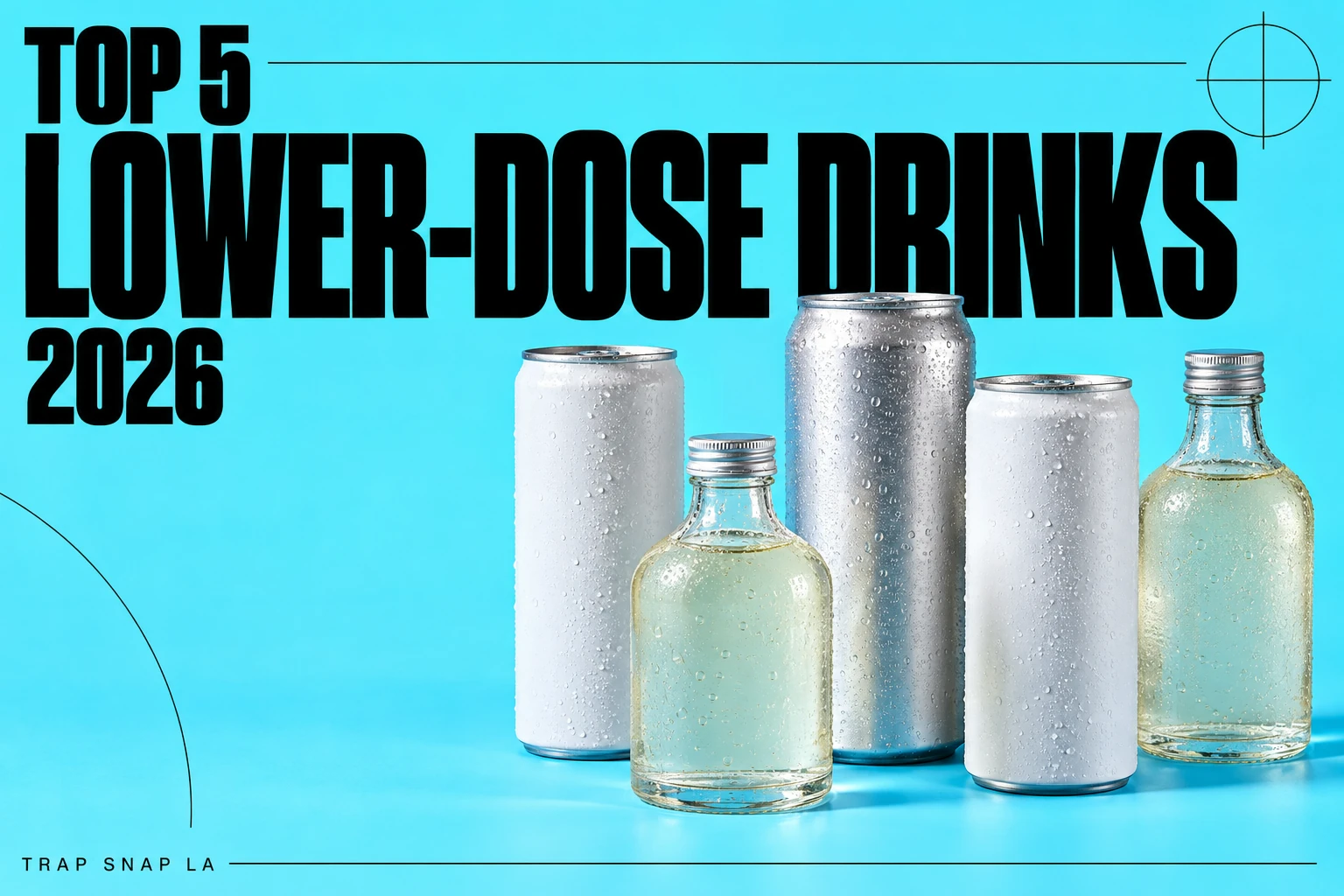
For this 2026 guide, “lower-dose” has a specific editorial definition: the selected products list 2mg or 2.5mg THC per stated can or serving. We compare Cann Grapefruit Rosemary, WYNK Juicy Mango, Cycling Frog Lemon Light, Artet Flagship Aperitif, and Nowadays Micro Dose. We do not claim that this amount is suitable for everyone or that it guarantees a mild experience.
Comparing low dose THC drink labels starts with a number, but it should not end there. Two products can both show “2mg” while using very different containers. One might be a can labeled per container. Another might be a bottle labeled per measured serving. That difference matters more than the color of the package or the word “micro” in its name.
The goal is label clarity. This is a comparison of current manufacturer information, not a consumption plan, a personal tolerance test, or a ranking of which product will feel weakest. The format column is as important as the milligram column.
Five lower-dose labels at a glance
| Exact selected version | Labeled THC | Labeled CBD | Unit or format |
|---|---|---|---|
| Cann Grapefruit Rosemary, classic | 2mg | 4mg | Per 8oz can |
| WYNK Juicy Mango, 2.5mg | 2.5mg | 2.5mg | Per 7.5oz can |
| Cycling Frog Lemon Light, standard | 2mg | 4mg | Per 12oz can |
| Artet Flagship Aperitif | 2.5mg | Not stated here | Per labeled serving; bottle |
| Nowadays Micro Dose 2MG | 2mg | Not stated here | Per shot; 33mg THC per bottle |
For the two bottles, the listed number refers to the maker’s defined serving. It does not mean the whole bottle contains that amount. Always read the serving volume and container total on the current package.
1. Cann Grapefruit Rosemary, classic: the smaller can
The classic Cann Grapefruit Rosemary sits in Cann’s original 8-ounce line, labeled 2mg THC and 4mg CBD per can. This guide refers to that classic version rather than another Cann line.
The smaller container makes an interesting comparison with Cycling Frog’s larger can below. The selected THC figures match, but the volumes differ. A reader who only records milligrams would miss that beverage-format difference. A reader who only records ounces would miss the cannabinoid information.
Our reason for including this product is that its name, line, container, and listed amounts form a clear entry in a comparison table. The grapefruit-rosemary pairing is a flavor concept to consider independently. Neither a small container nor a botanical flavor description establishes a personal outcome. Use the label to understand the product, and keep that explanation separate from the maker’s experience language.
2. WYNK Juicy Mango, 2.5mg: equal listed amounts
The selected WYNK Juicy Mango 2.5mg belongs to the 7.5-ounce format. WYNK lists 2.5mg THC and 2.5mg CBD for this version. The page’s URL contains “2mg,” but its current product title and label information say 2.5mg.
That mismatch between a URL and a current title is a useful real-world lesson. A page address is not a substitute for reading the current product information. Old filenames and handles can remain after a brand updates its range. For a comparison, the displayed product and package should decide the figures.
WYNK adds a different labeled ratio and a mango flavor concept to the list. The equal numbers are a formula detail, not an assurance that CBD prevents unwanted THC effects. We chose the exact 2.5mg entry because it is clearly identified in the current range and makes the table more useful than a vague recommendation to look for “small cans.”
3. Cycling Frog Lemon Light: 2mg in a larger beverage
Cycling Frog Lemon Light THC Seltzer lists 2mg THC and 4mg CBD per 12-ounce can. Its manufacturer lists 20 calories and 4g total sugar for that can. Match these figures to the exact Lemon Light package being compared.
This is the entry that shows why an exact product version matters. A similar name in a different market can point to a different label. A responsible roundup does not quietly merge them. Our table covers the standard Lemon Light page linked here.
It also illustrates volume versus total contents. A larger beverage is not automatically a higher-THC beverage. Comparing the can volume and total labeled THC together explains the format more accurately. The nutrition figures are additional product information, not evidence that one drink is a better health choice. We include Lemon Light because its named format creates a useful contrast with the smaller cans.
4. Artet Flagship Aperitif: read the serving definition
Artet Flagship Aperitif 2.5mg is a bottled botanical drink. The maker lists 2.5mg THC per serving and describes a blend of seven botanicals. The figure is a serving label, not the bottle total.
This requires a different comparison habit from reading a single-serve can. To compare the bottle accurately, keep the labeled serving volume beside the milligrams and check the total number of servings. A bottle with a small per-serving number can still contain many servings.
Our editorial reason for choosing it is its different format. It represents a botanical aperitif rather than sparkling water. That gives readers another beverage concept to examine while reinforcing the same label lesson: the unit must travel with the number. Do not describe a whole bottle as a “2.5mg drink” without explaining that the amount is per serving.
5. Nowadays Micro Dose 2MG: the bottle total is visible too
Nowadays Micro Dose 2MG currently lists 2mg THC per shot and 33mg THC per bottle. The ingredients include water, sugar, natural flavors, hemp extract, and additional formulation ingredients.
The two numbers make this a particularly useful entry. The bottle total prevents the serving label from being mistaken for the contents of the entire container. It also makes the comparison with Artet clearer: both are bottled formats, so both need a serving-volume check.
Our reason for including Nowadays is practical label education. A bottle can look like one retail item while containing multiple defined servings. The visible total is useful information to record, but it does not make an unmeasured pour predictable. Keep the actual package nearby when interpreting the product, and avoid using a brand name or a large glass as a shortcut for the listed amount.
What does lower-dose actually tell you?
It tells you a relative product quantity within the definition used by this article. It does not tell you that a product is non-intoxicating, appropriate for a first-time user, or equivalent to a glass of beer. Those are different claims and cannot be established by the milligram figure alone.
A helpful label comparison therefore includes at least four details: the exact product name, the amount, the unit that amount refers to, and the total container format. If one of those details is missing, pause the comparison instead of filling the gap with an assumption.
The second cannabinoid is another detail worth keeping separate. Several selected drinks list CBD, while a bottle might mainly state THC on its product summary. “Not listed in this comparison” is different from a laboratory finding of zero. An article should not turn an omitted web-page figure into an ingredient claim.
Finally, read the current package even when the product is familiar. Brands can revise formulas, strengths, or container sizes. A saved shopping note from last year is helpful background, but it should not overrule the present label. The purpose of the 2026 comparison is to show what was verified during research, not to freeze the product forever.
Frequently asked questions
What counts as lower-dose in this article?
The selected products list 2mg or 2.5mg THC per stated can or serving. That editorial definition is not a recommendation for any person.
Does 2mg per serving mean 2mg per bottle?
No. A multi-serving bottle can contain much more THC in total. Read the serving size and bottle total separately.
Is a lower-dose THC drink non-intoxicating?
No. Lower-dose describes a listed amount, not a guarantee that the product will not cause intoxication or impairment.
Why does the WYNK link contain 2mg when the article says 2.5mg?
The current product page labels the selected format 2.5mg. A retained URL handle does not replace the displayed product or package information.
The most useful way to read this list
Compare cans with cans first, then compare bottles using their serving definitions. Cann and Cycling Frog show the same selected THC and CBD amounts in different can volumes. WYNK adds a different listed ratio. Artet and Nowadays show why a serving label must be separated from the bottle total. Those distinctions are the real value of the roundup.
Related reading
Explore these practical cannabis guides:
More from our 2026 comparison series:
More from our 2026 comparison series
More questions about lower-dose THC drink labels
Does less than 2 mg on a California cannabis label mean zero?
No. DCC permits THC or CBD below 2 mg per package or serving to be labeled with a less-than amount. It is an upper-bound statement, not a zero result. California manufactured-product labeling checklist.
Do California cannabis drink labels have to say refrigerate after opening?
DCC requires refrigeration wording when the product is perishable after opening. Check the exact bottle; the requirement does not mean every THC drink has the same storage needs. California manufactured-product labeling checklist.
Does a sealed bottle cap make a multi-serving THC drink child-resistant?
Not automatically. DCC’s specific pry-off metal crown-cap allowance applies to single-serving bottles. A multi-serving edible bottle needs packaging that meets its applicable child-resistance requirements. California initial versus lifetime child resistance.
Tags: low dose THC drink label less than 2 mg; THC drink bottle refrigeration label.

Trap Snap LA editorial note: Related reading for this comparison: Why edibles take longer and Hottest THC Drinks in 2026: 5 Brands Worth Knowing.