05
Oct
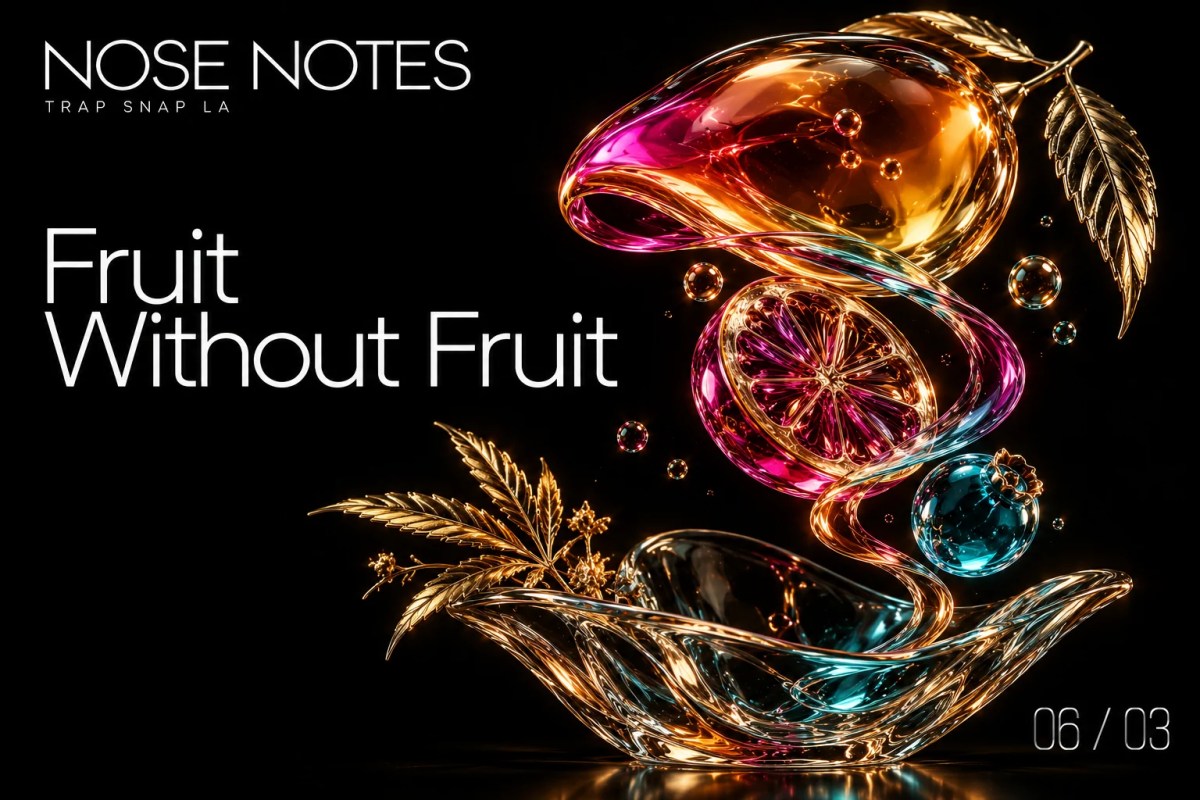
A Fruit Salad Without the Fruit

Fruit words give people a shared aroma vocabulary. They become more useful when a description separates the familiar comparison from an ingredient or chemistry claim.

Fruit words give people a shared aroma vocabulary. They become more useful when a description separates the familiar comparison from an ingredient or chemistry claim.
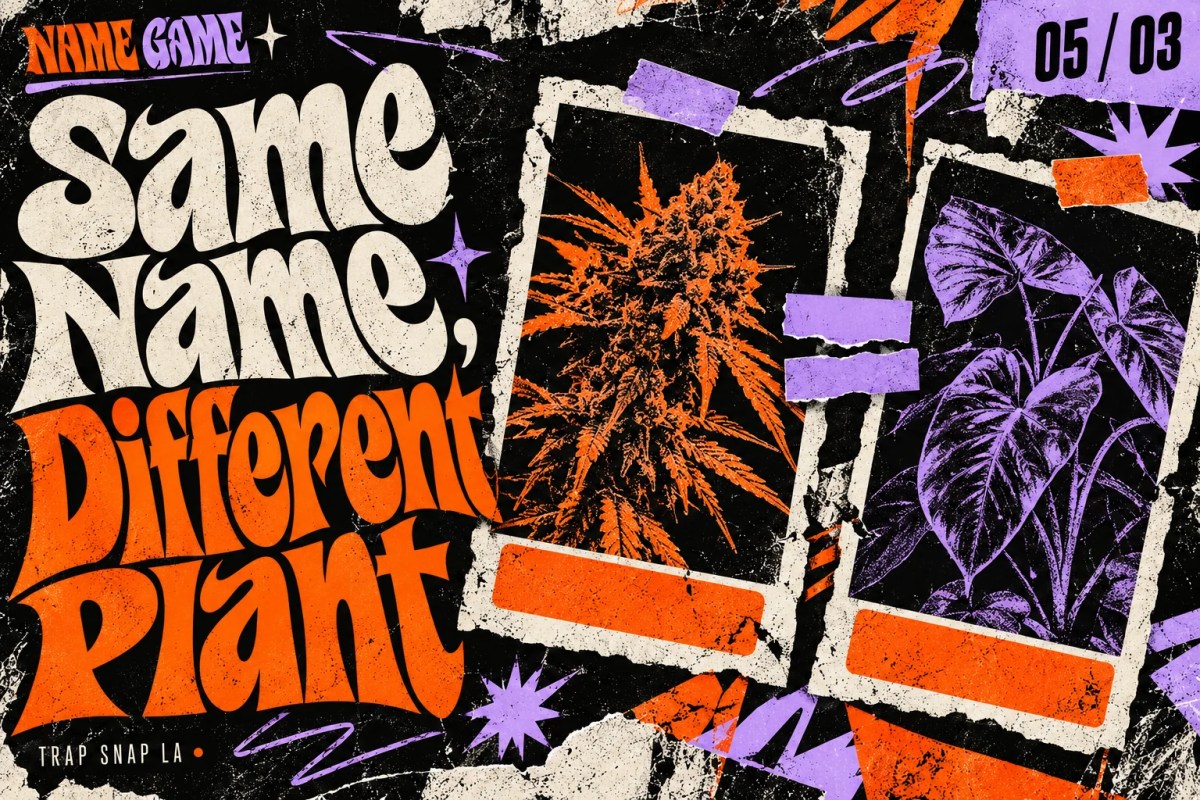
Serious Seeds describes changing Chronic’s breeding history while keeping the name. It is a documented example of why a familiar name needs context.
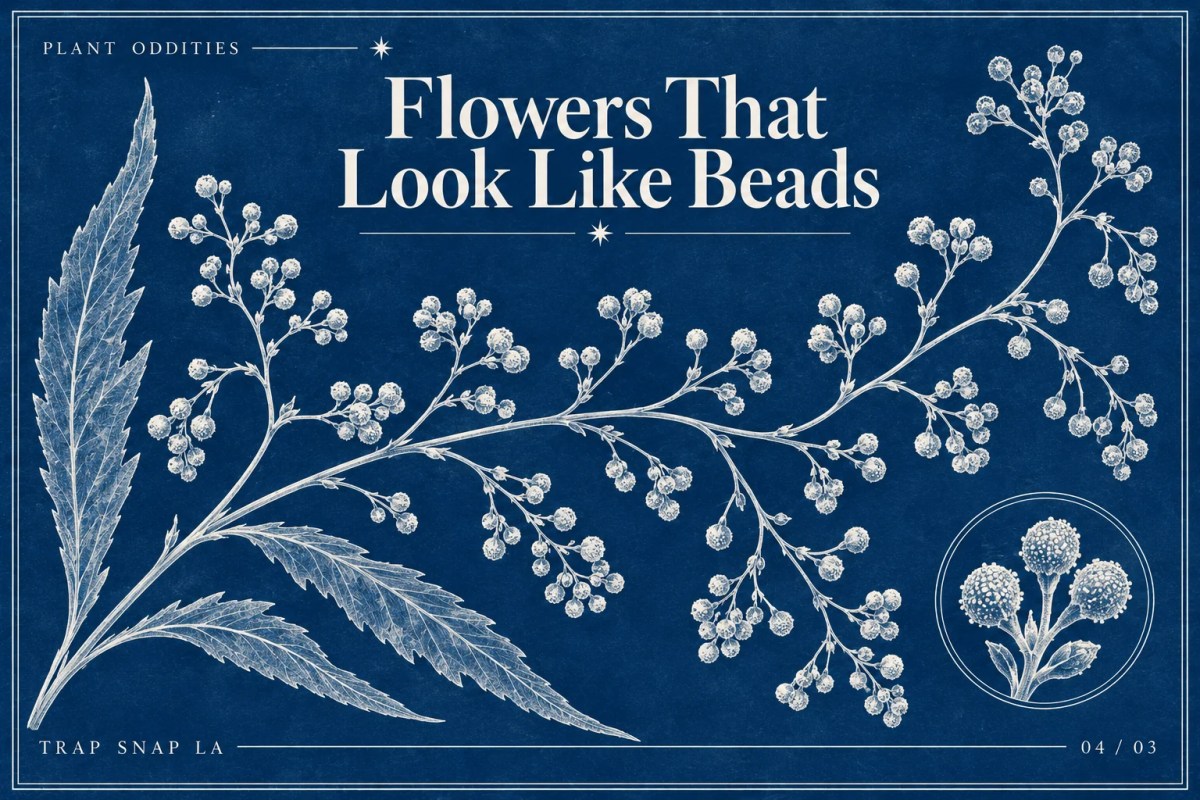
Loose flower clusters, thin stems and a real person behind the name: Dr Grinspoon has more going on than the familiar dense-bud picture.

The hemp on a food label and the weed in a strain-name debate belong in the same plant conversation. The words just do different jobs.
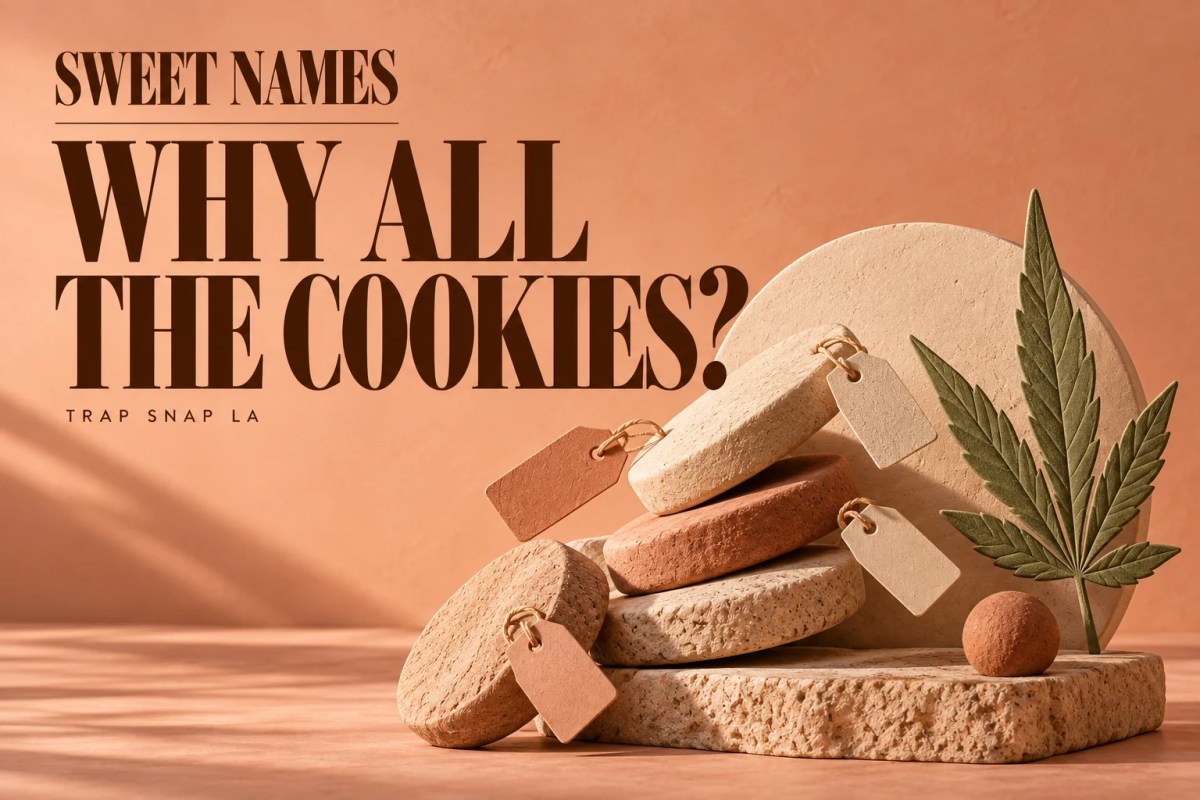
The same word can carry a brand, a family connection and a food reference. Cookies names make sense when those layers are kept separate.
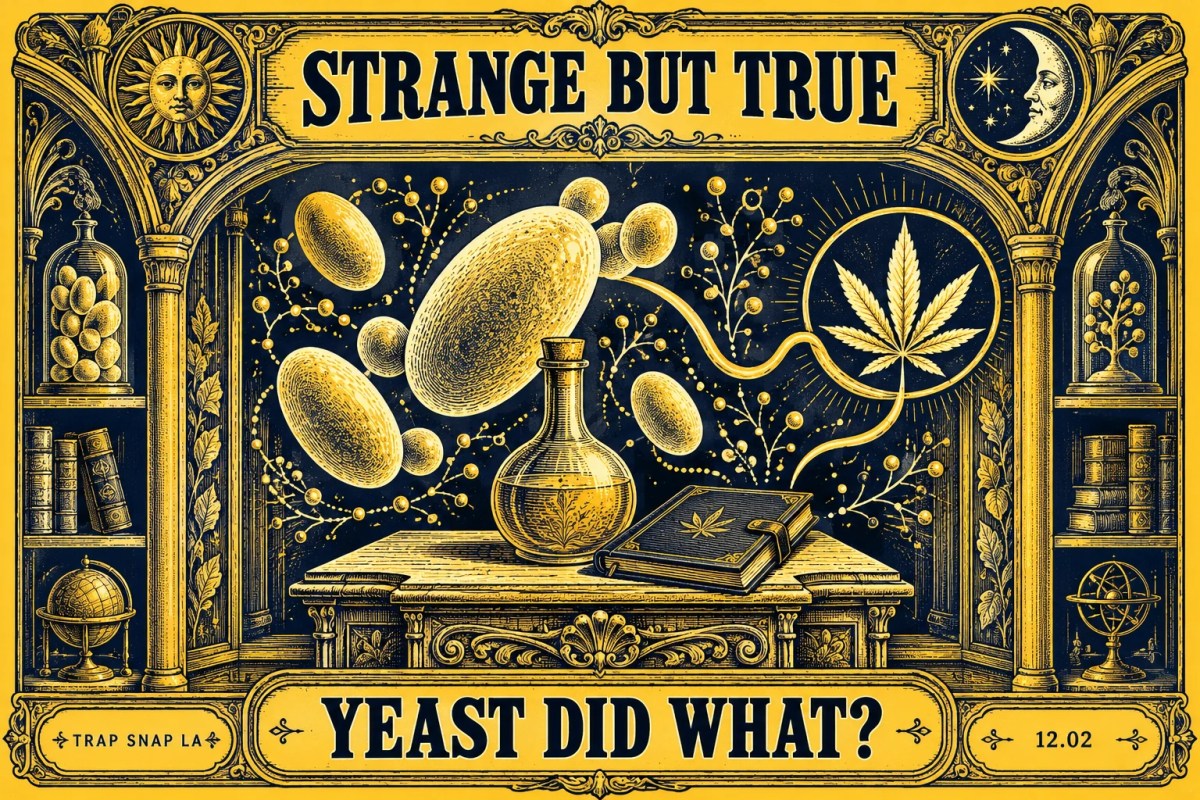
The yeast story is real. Your bread dough is still bread dough. Here is the science behind the 2019 Berkeley research without a lab tutorial.
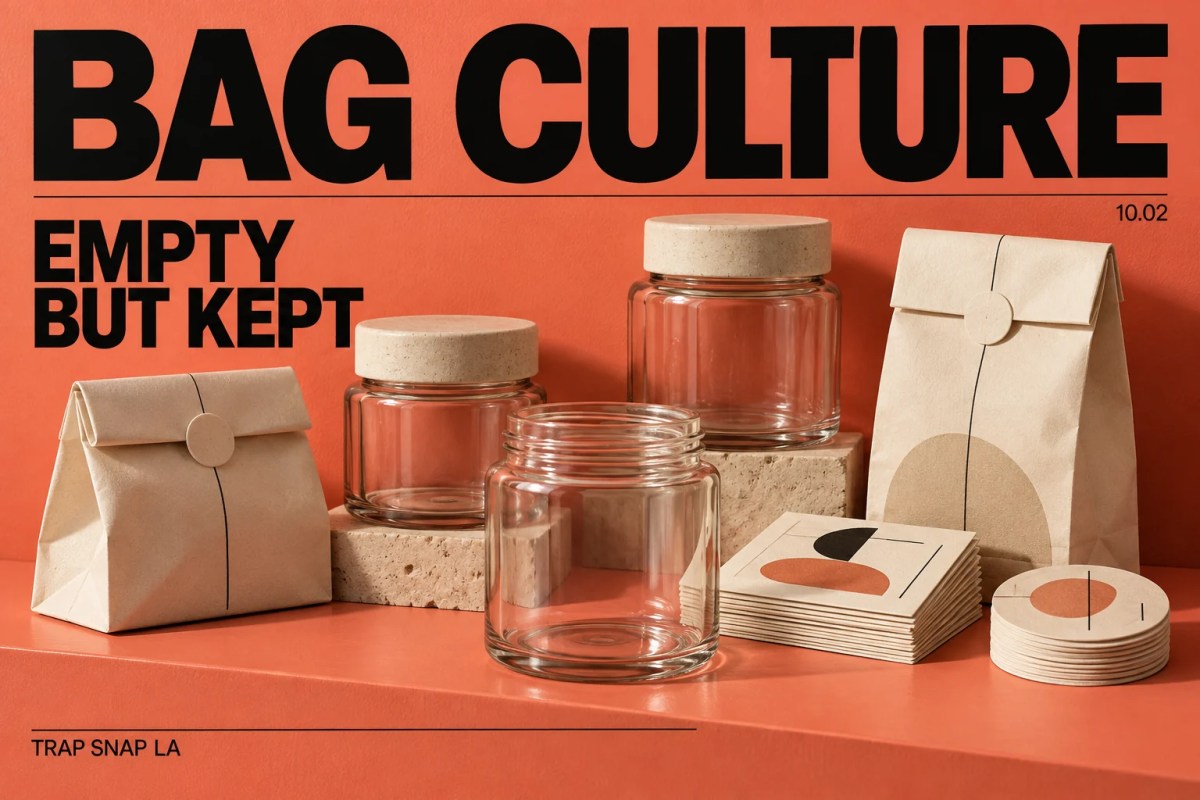
Sometimes the empty container is the part someone keeps. The reasons can be more interesting than the packaging itself.

The Death Row name arrived with a cultural history before the cannabis venture. That makes the branding interesting—and makes it important to separate recognition from business evidence.

The Dude wants his room back. That small demand gives The Big Lebowski a useful design lesson: a familiar object can establish character, conflict, and the stakes of a story.

A cheese-like aroma is a resemblance, not a dairy ingredient claim. Chemistry and language both help explain why one person says cheese and another says feet.
No account yet?
Create an Account


